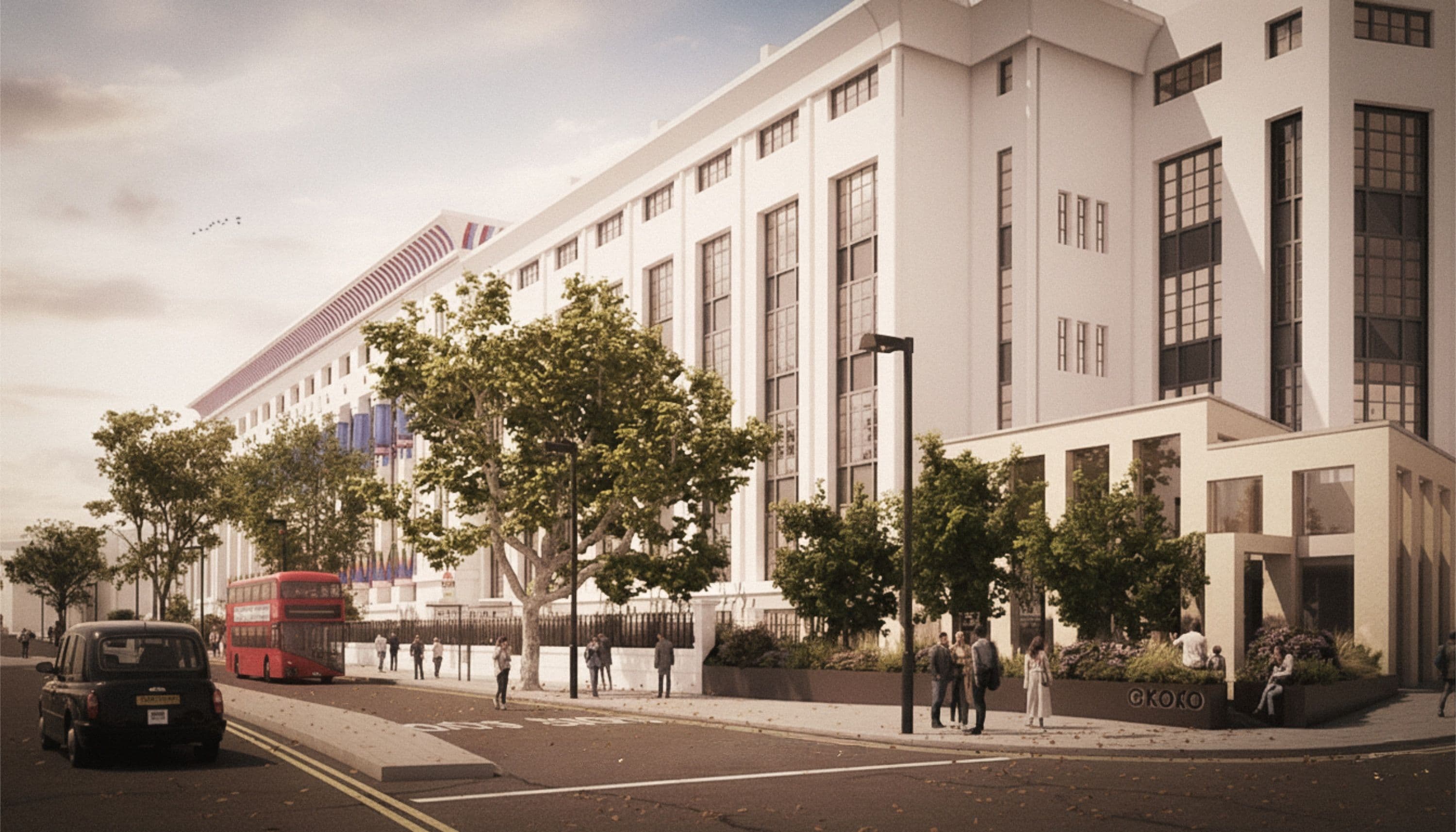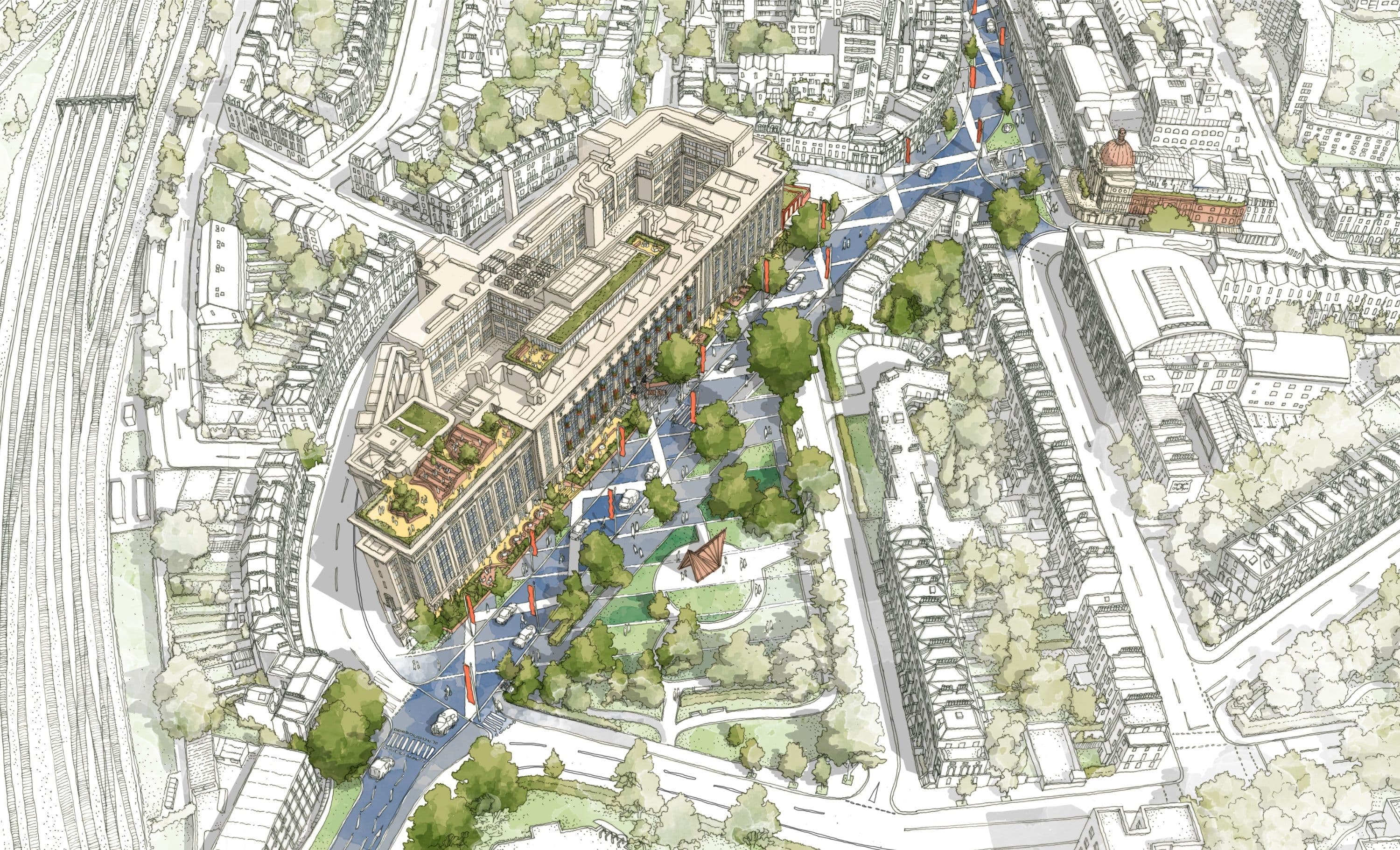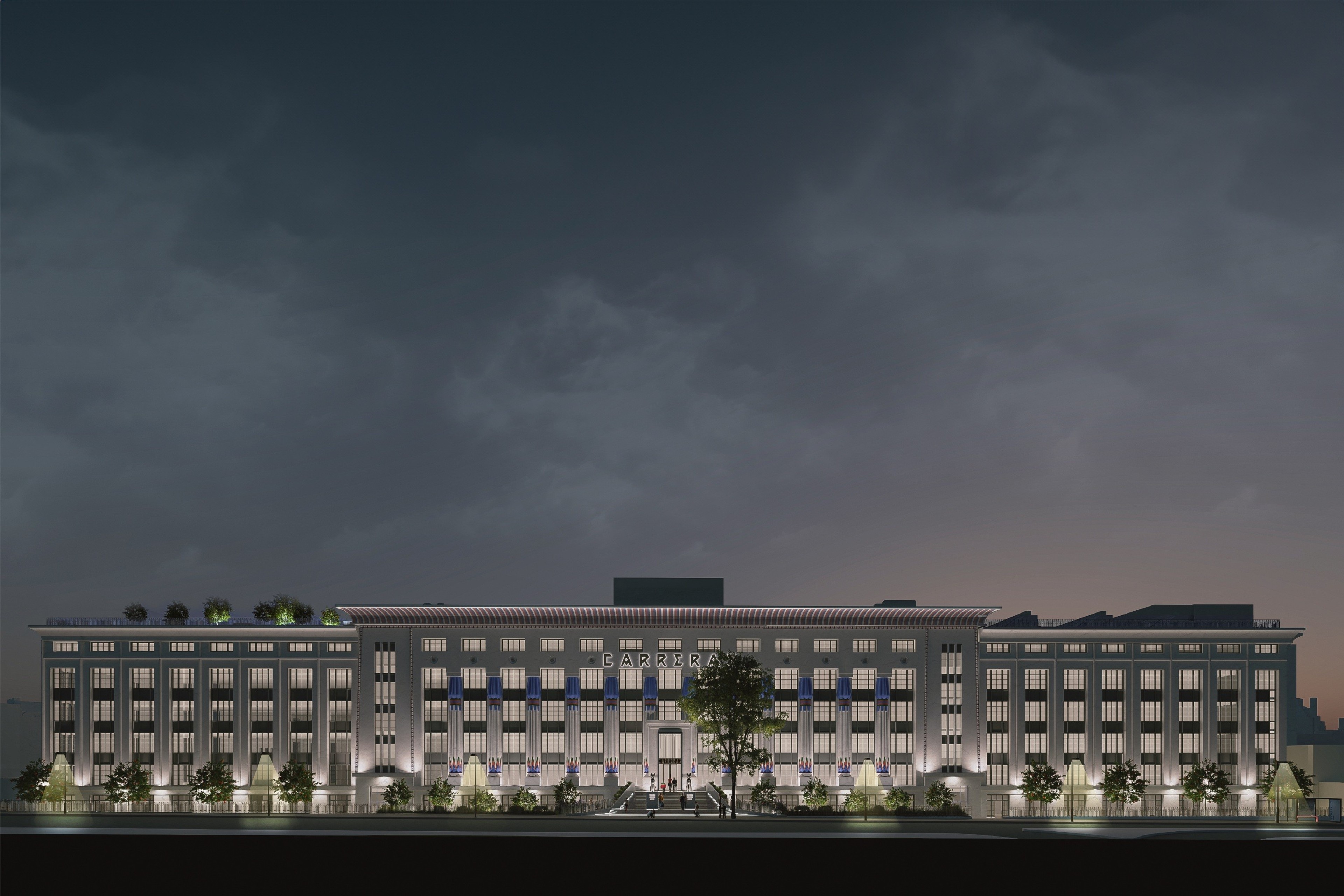
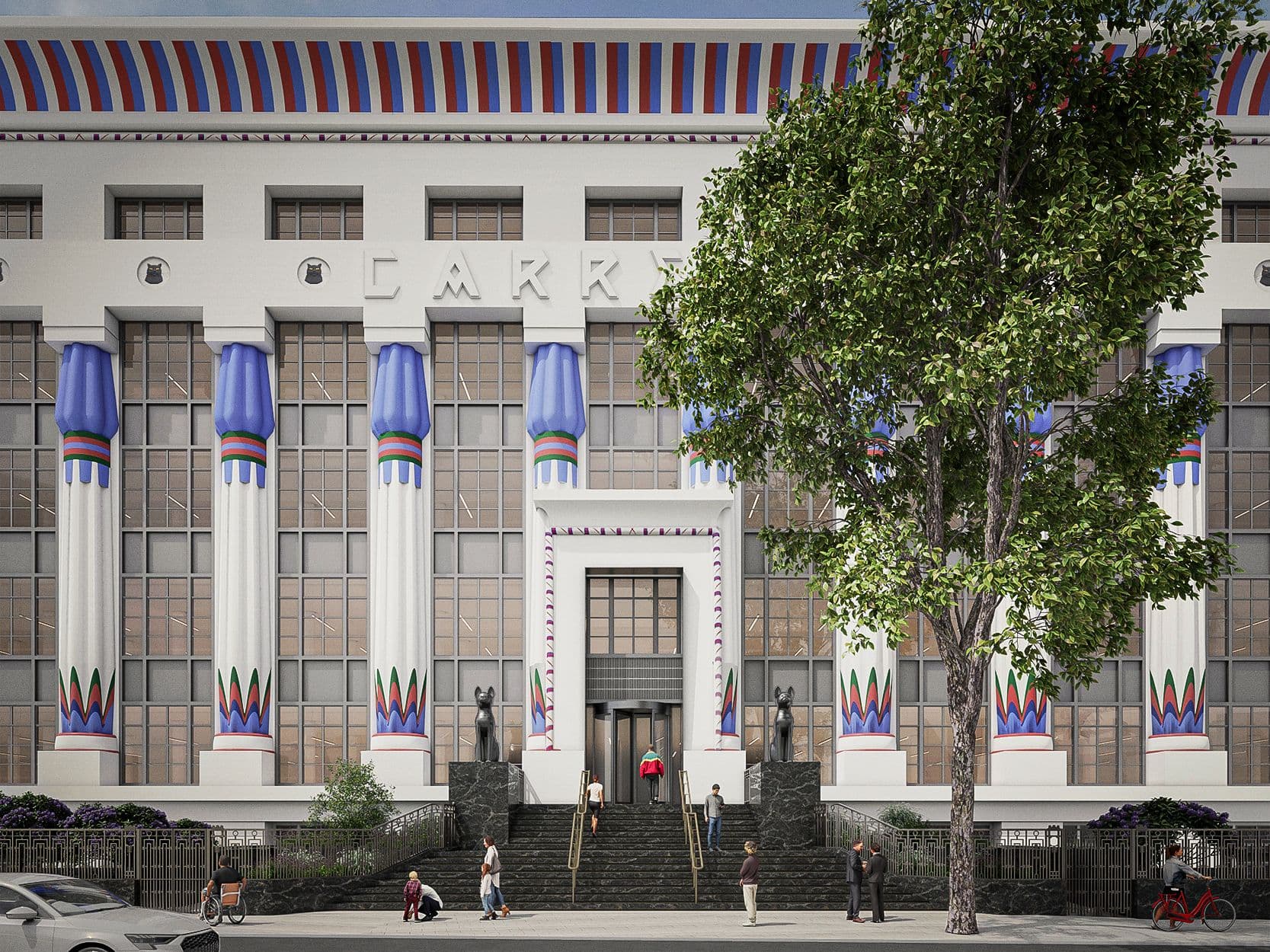
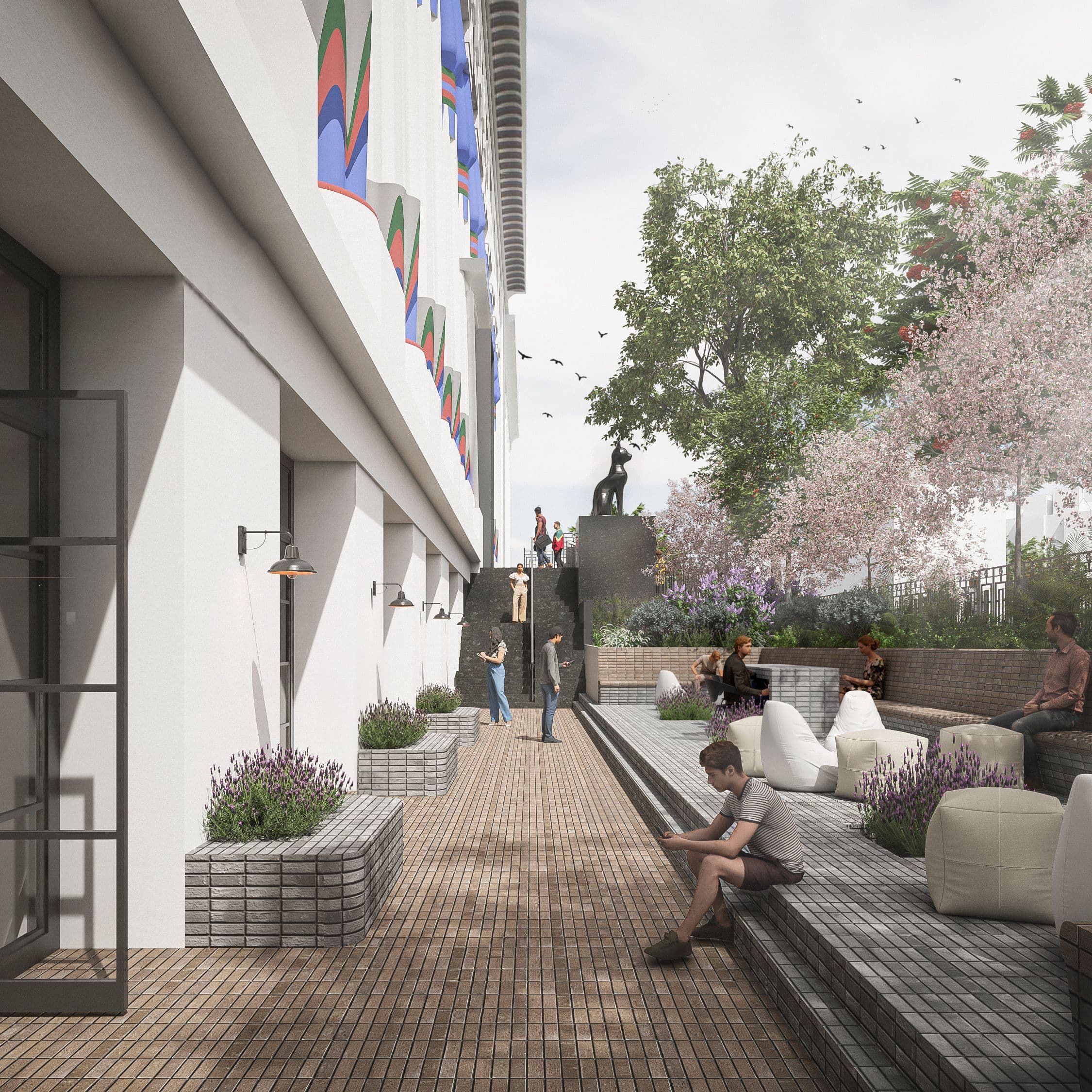
Greater London House, often known as the Black Cat Building or Carreras Cigarette Factory, is one of London’s most recognisable Art Deco buildings. Our consented scheme reworks how people arrive, move and spend time here – replacing a car-dominated threshold with a greener, people-focused frontage that celebrates the much-loved black cats. A more generous reception, new communal spaces and terraces across the building introduce places to meet, work and relax, giving the landmark a softer, more open relationship with Mornington Crescent.
- Location
- Camden, London
- Size
- Client
- Lazari
Before and After
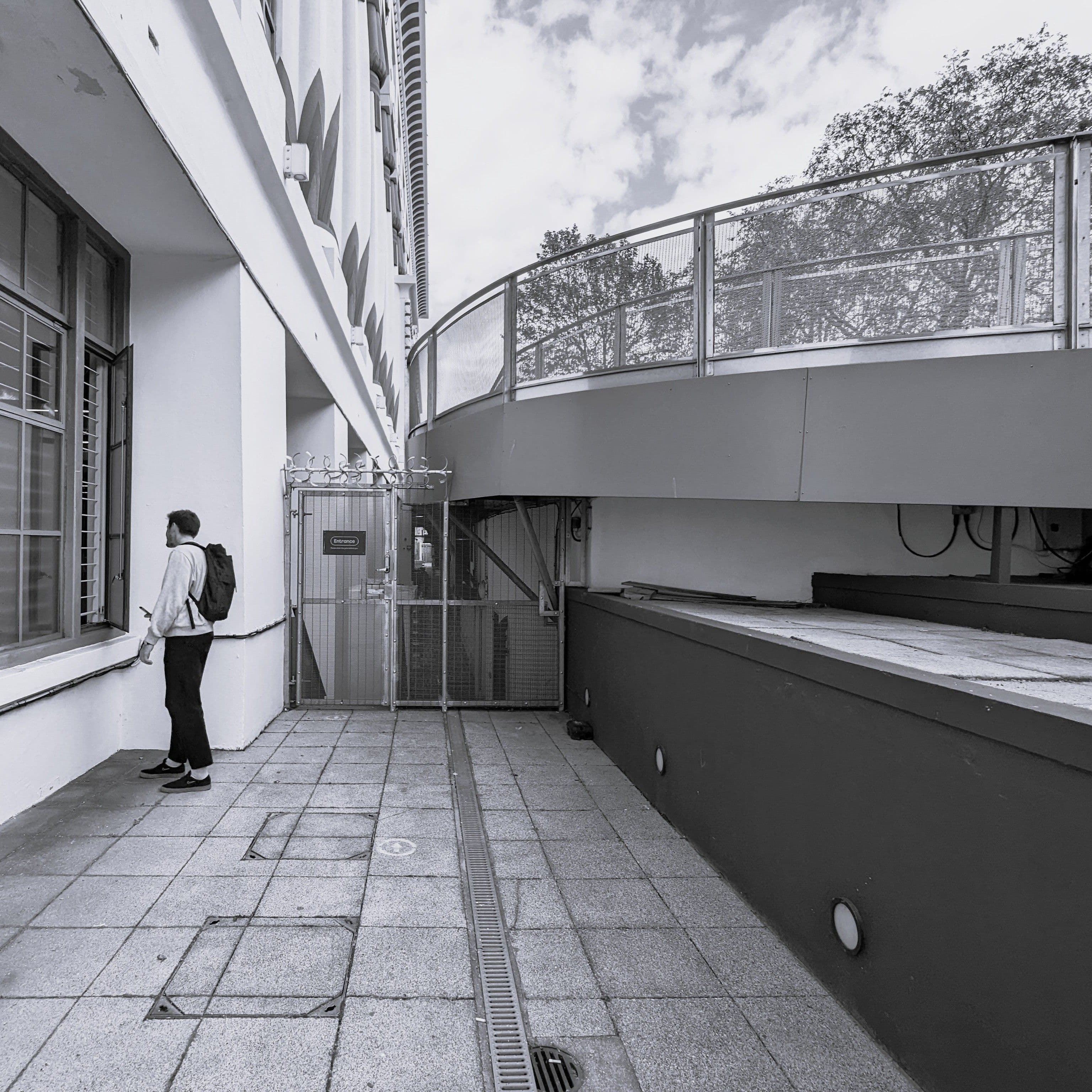
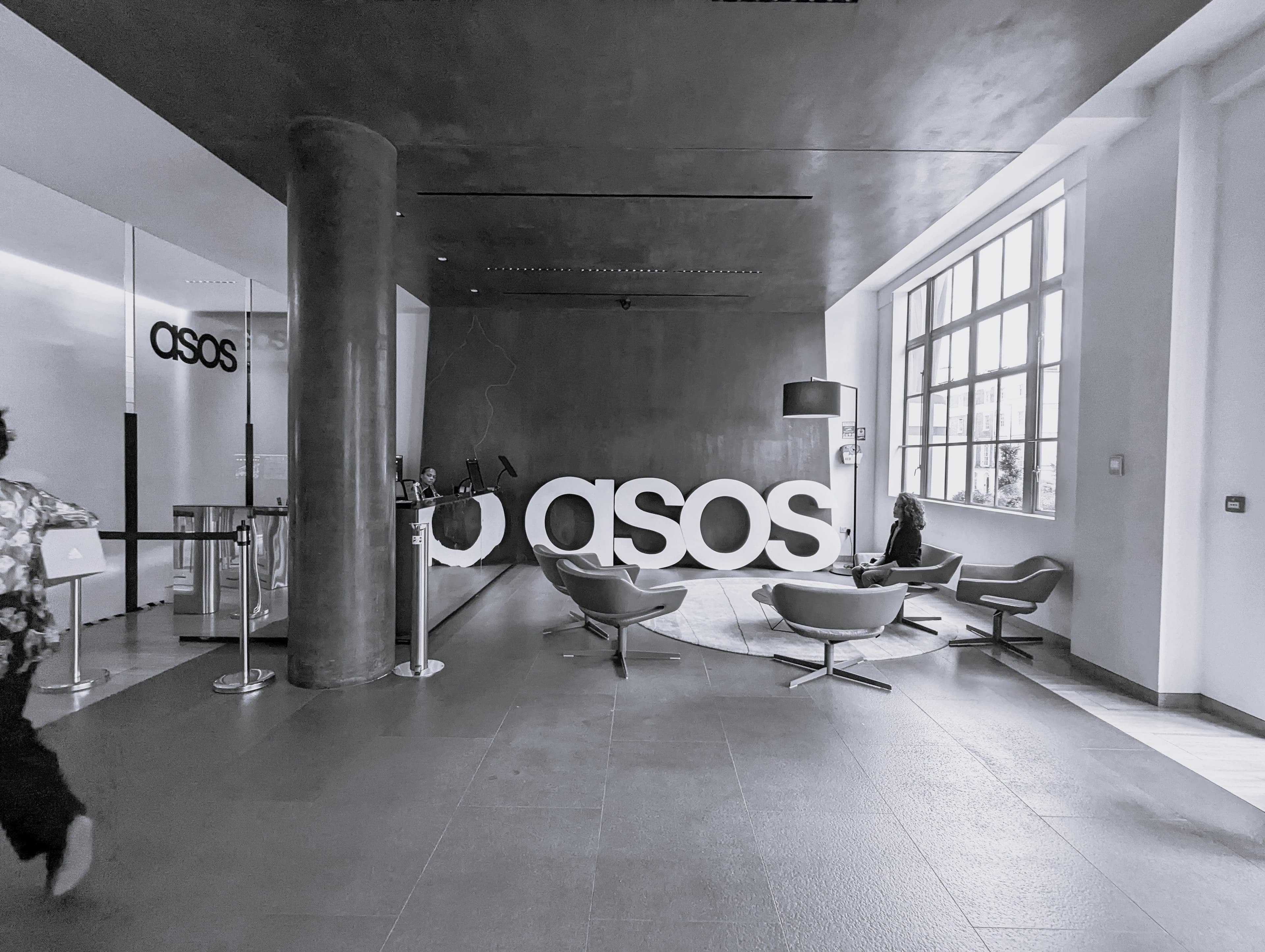
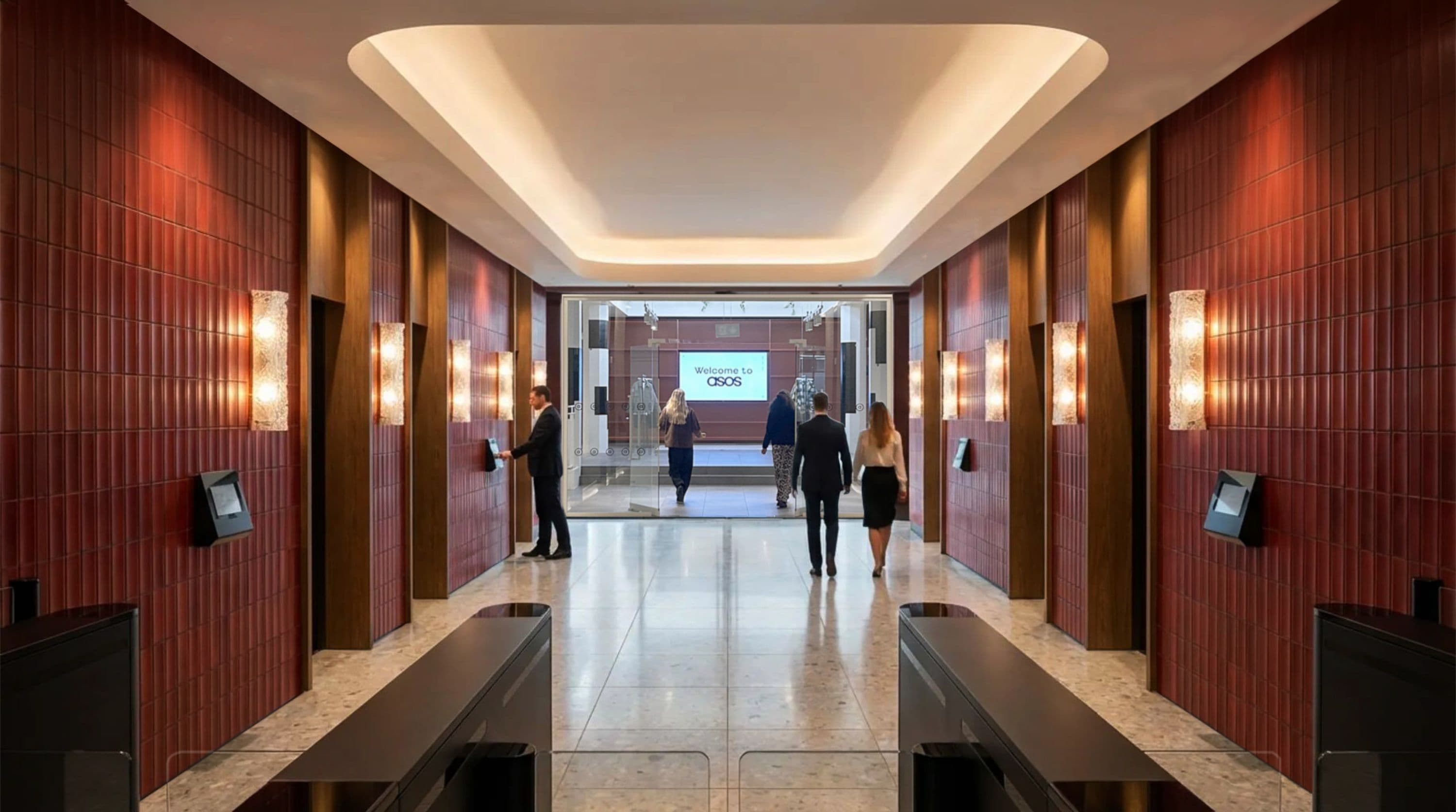
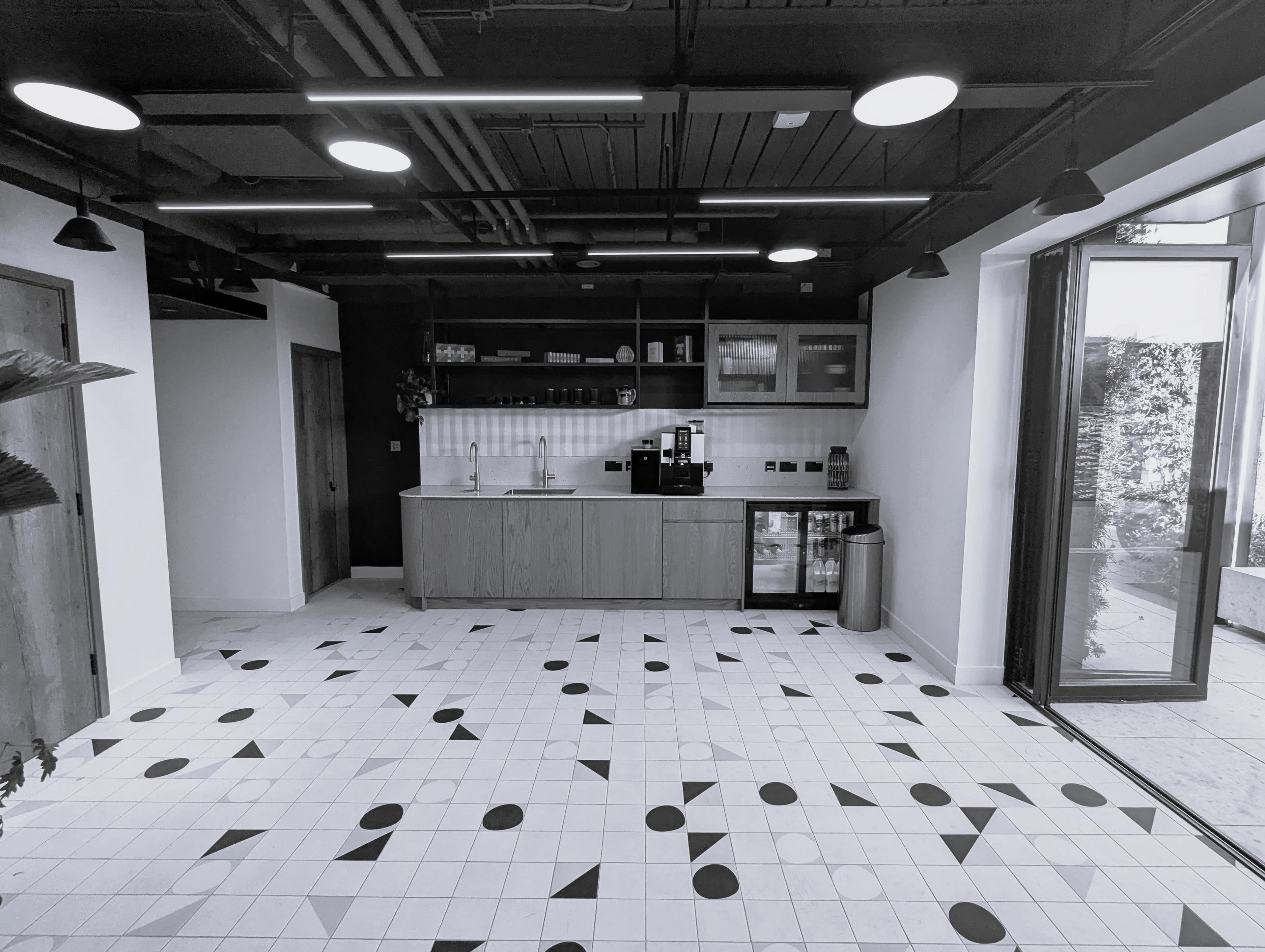
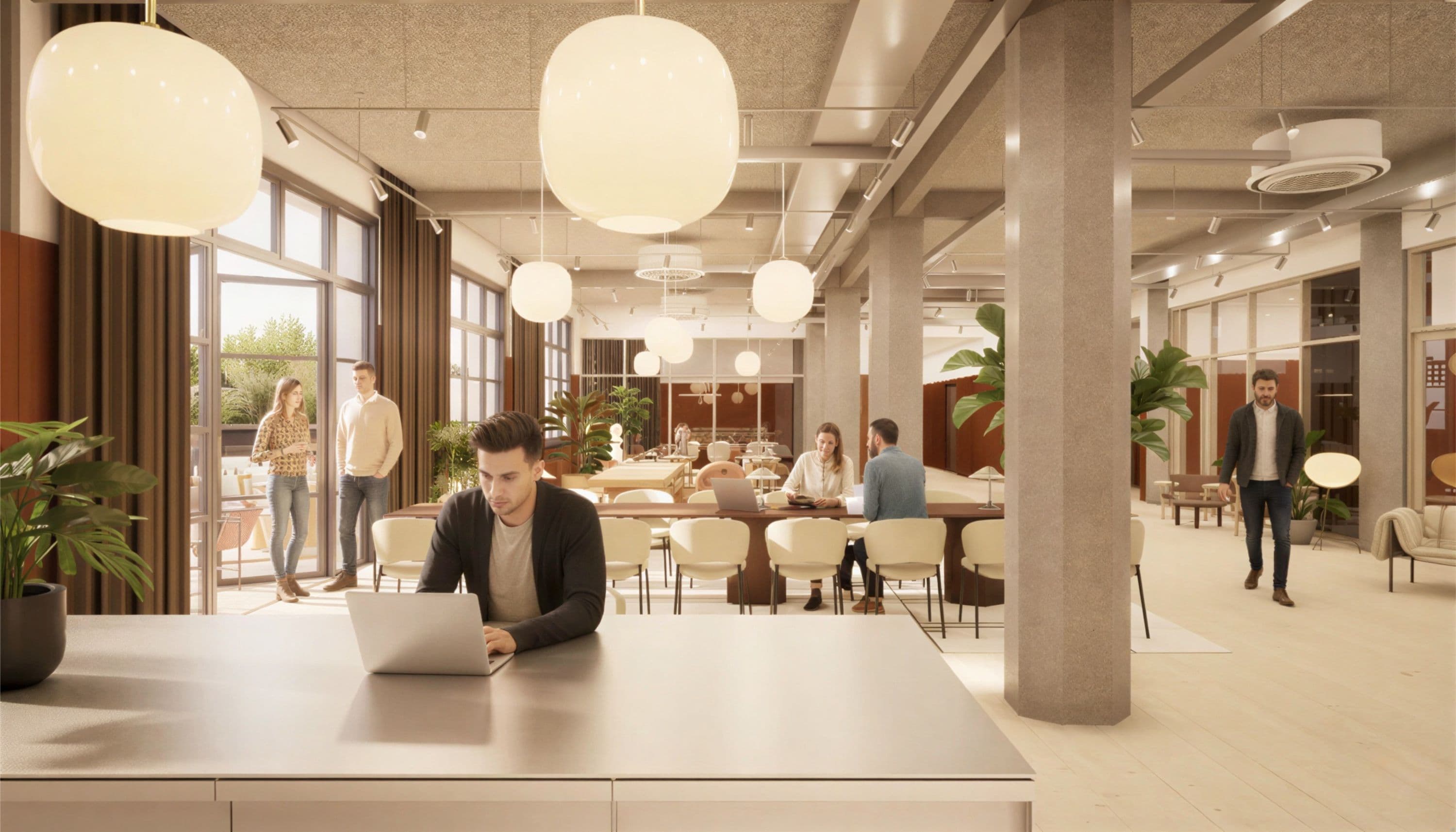
Originally developed in 1928 in Egyptian Revival style, the building has evolved from factory to major office destination and is now home to a range of commercial tenants, including fashion retailer ASOS. Lazari’s ambition was to continue this story with care – enhancing access, amenity and wellbeing, while respecting the character that makes Greater London House so distinctive. The aim was not to reinvent, but to renew – keeping the building relevant, generous and future-focused.
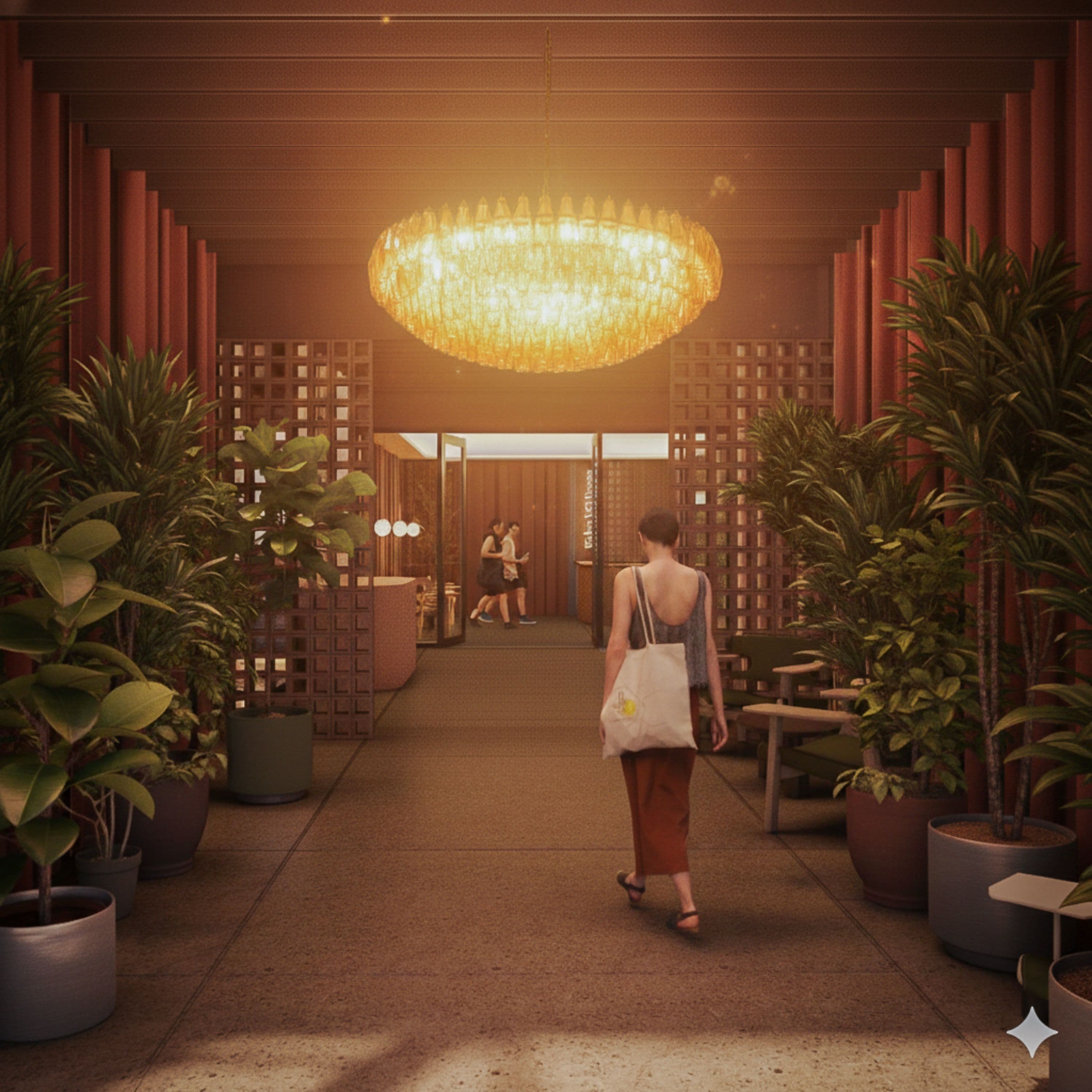
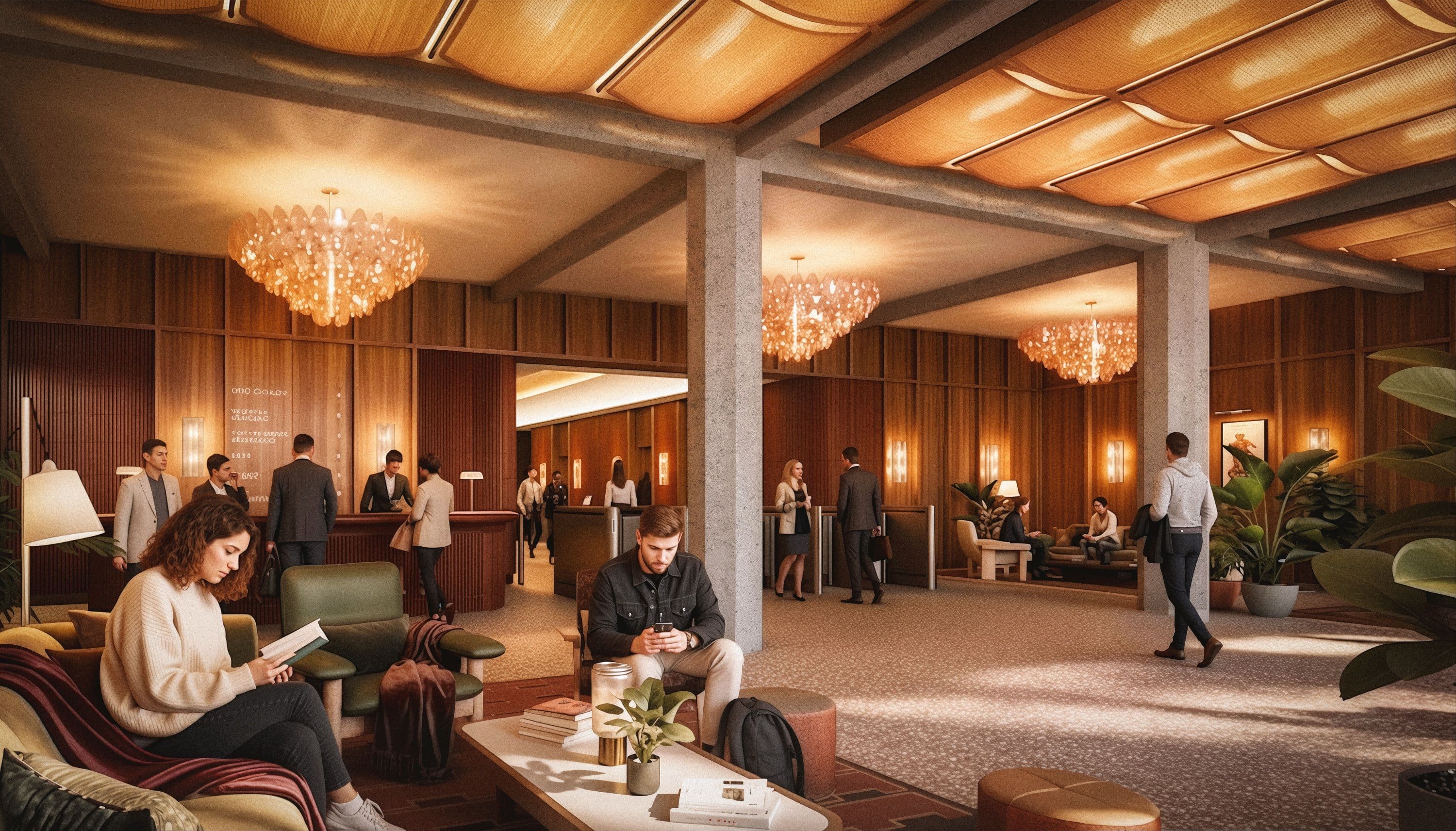
Our brief was to create a joined-up, hospitality-driven experience across the building. That meant reinvigorating the entrance, transforming dated internal amenities and expanding useful outdoor space, while preparing additional office floors for future tenants. The intention throughout has been to balance heritage, performance and everyday comfort: strengthening connections between the building, the street and the city around it.
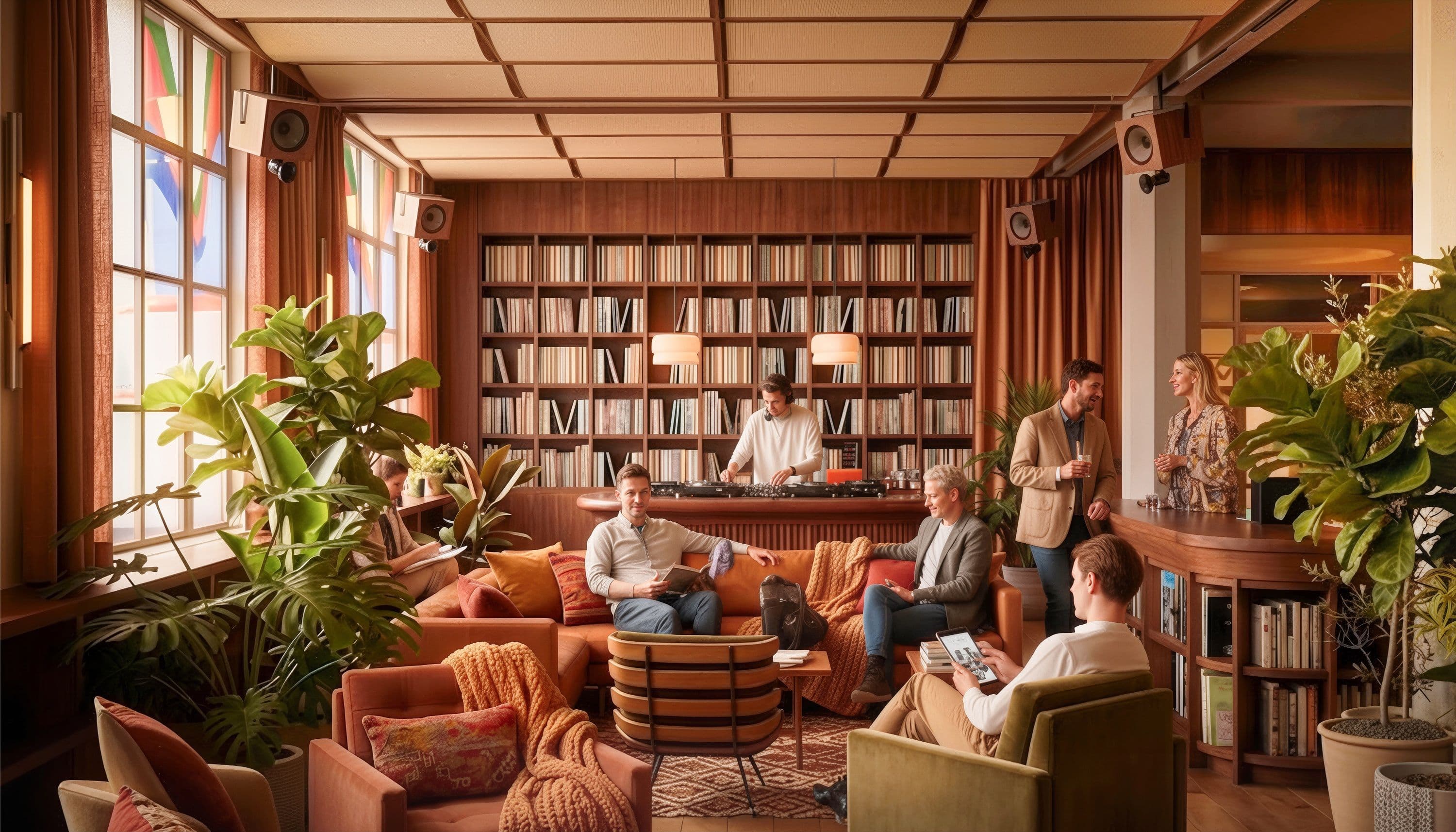
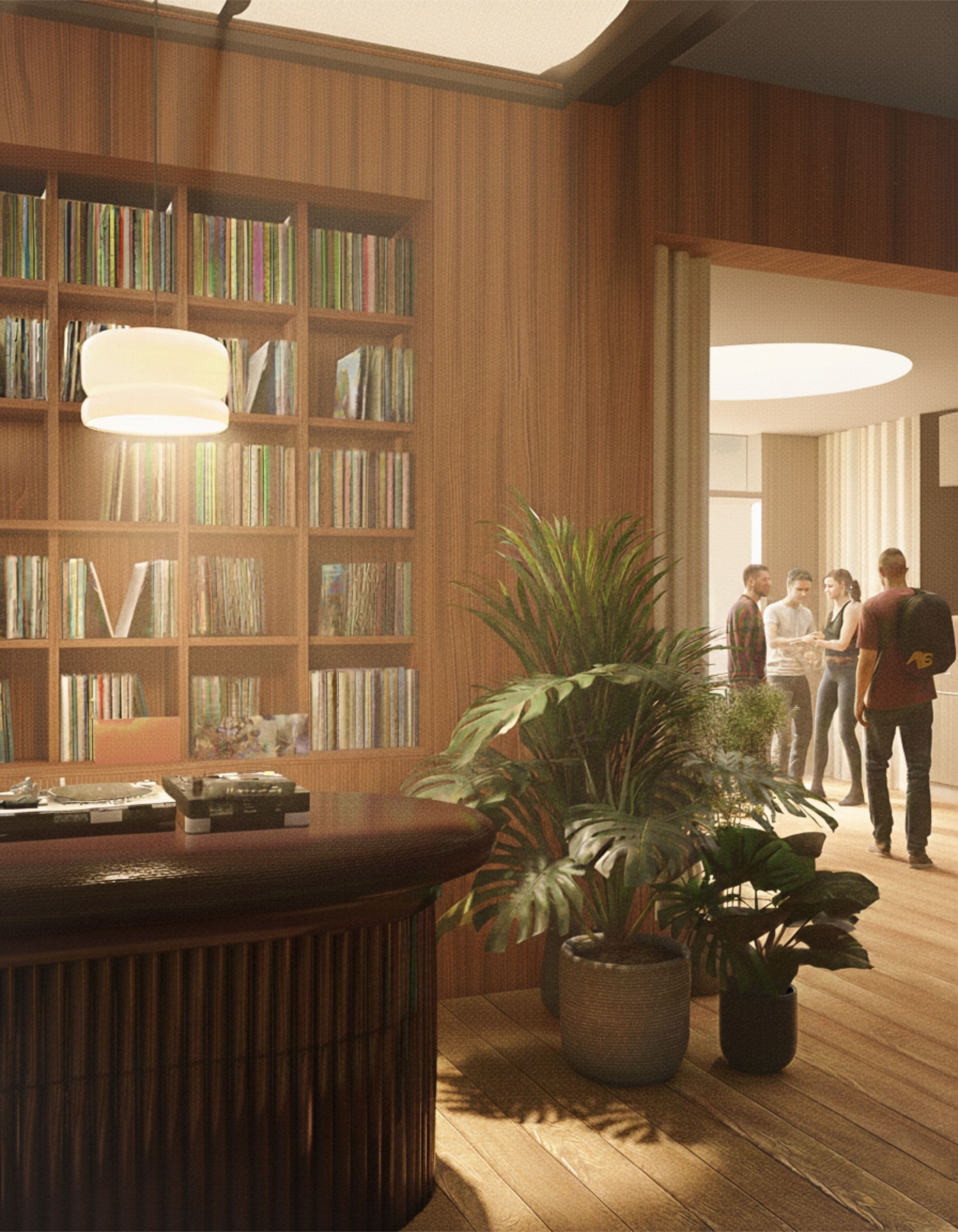
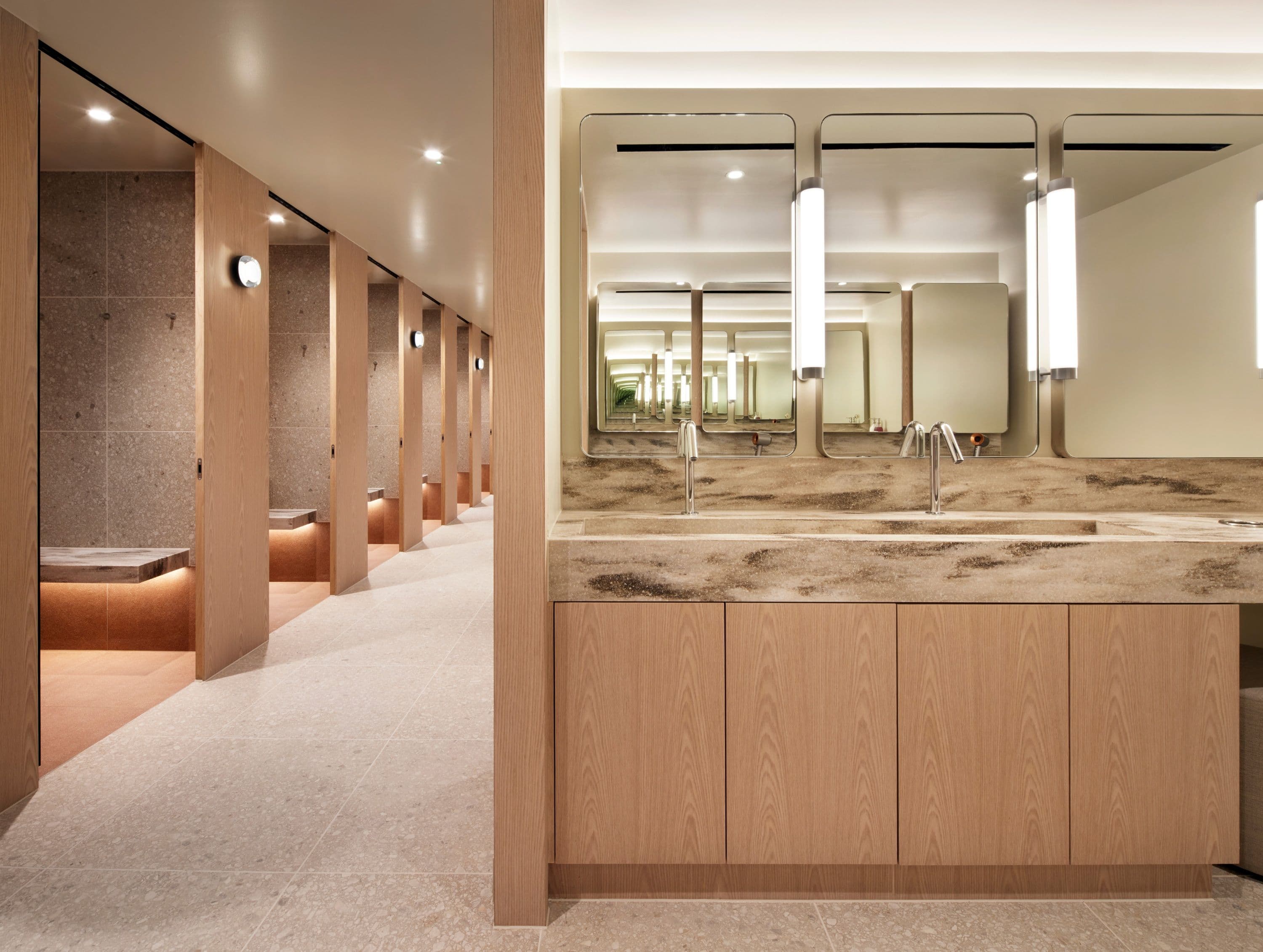
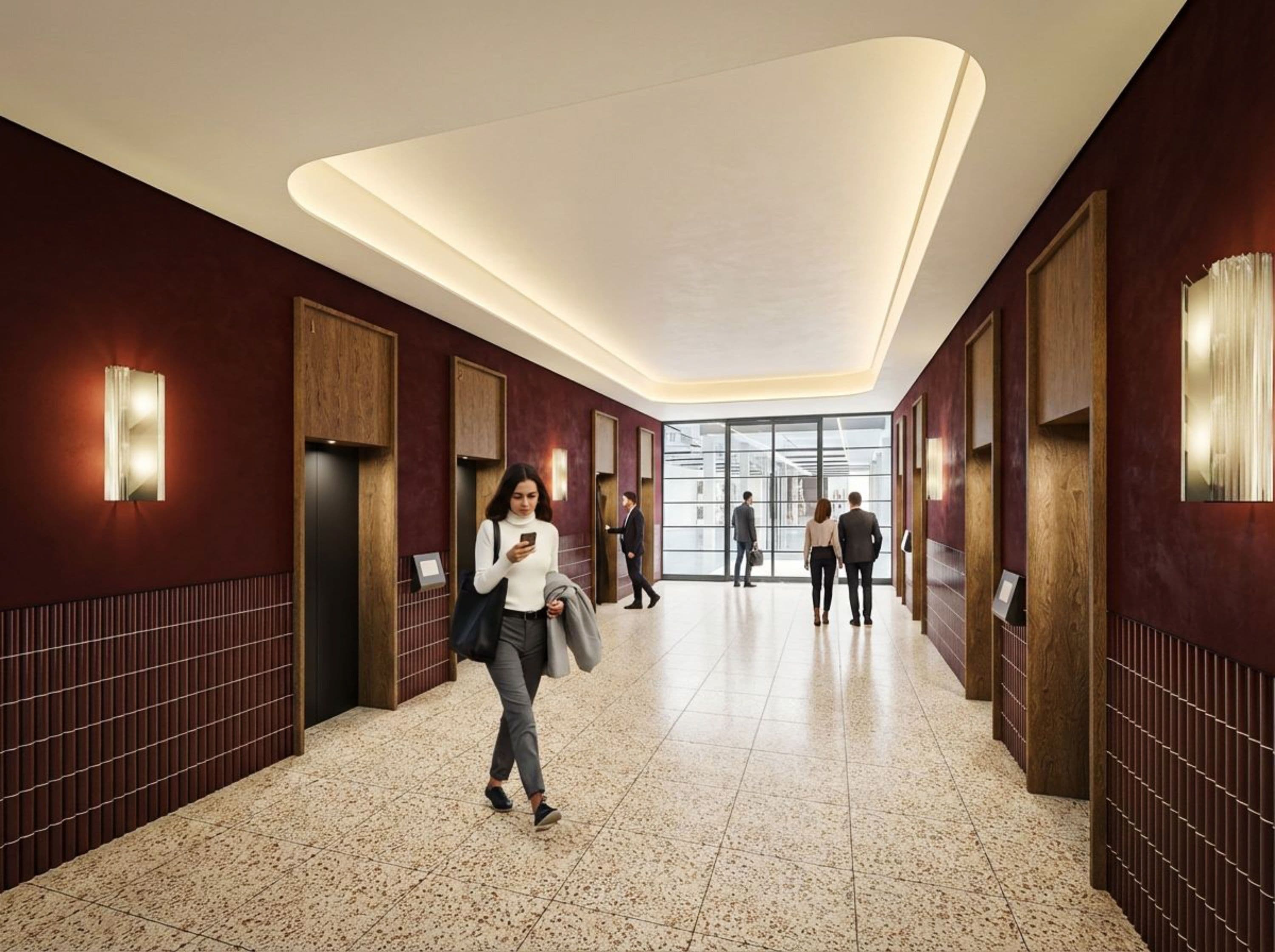
Our proposals significantly enlarge and elevate the main reception, creating an arrival that matches the scale and presence of the building. The lower-ground floor is reimagined as a first-class wellness and end-of-trip suite, and a new restaurant brings activity and life to street level. Larger, more welcoming steps connect directly to the pavement, while the black cat figures are retained and celebrated within a greener, more civic frontage.
Above, a new rooftop pavilion and panoramic terrace introduce exceptional views across Camden, complemented by additional terraces along the Hampstead Road elevation. Planting, shade and seating create a sequence of outdoor rooms – supporting meetings, quiet retreat and everyday breaks. Together, these carefully calibrated interventions recast Greater London House as a building that welcomes people in, supports how they work, and gently renews one of London’s great Art Deco landmarks.