AJ Retrofit Awards
Conservation Finalist
New London Awards
Retrofit Finalist
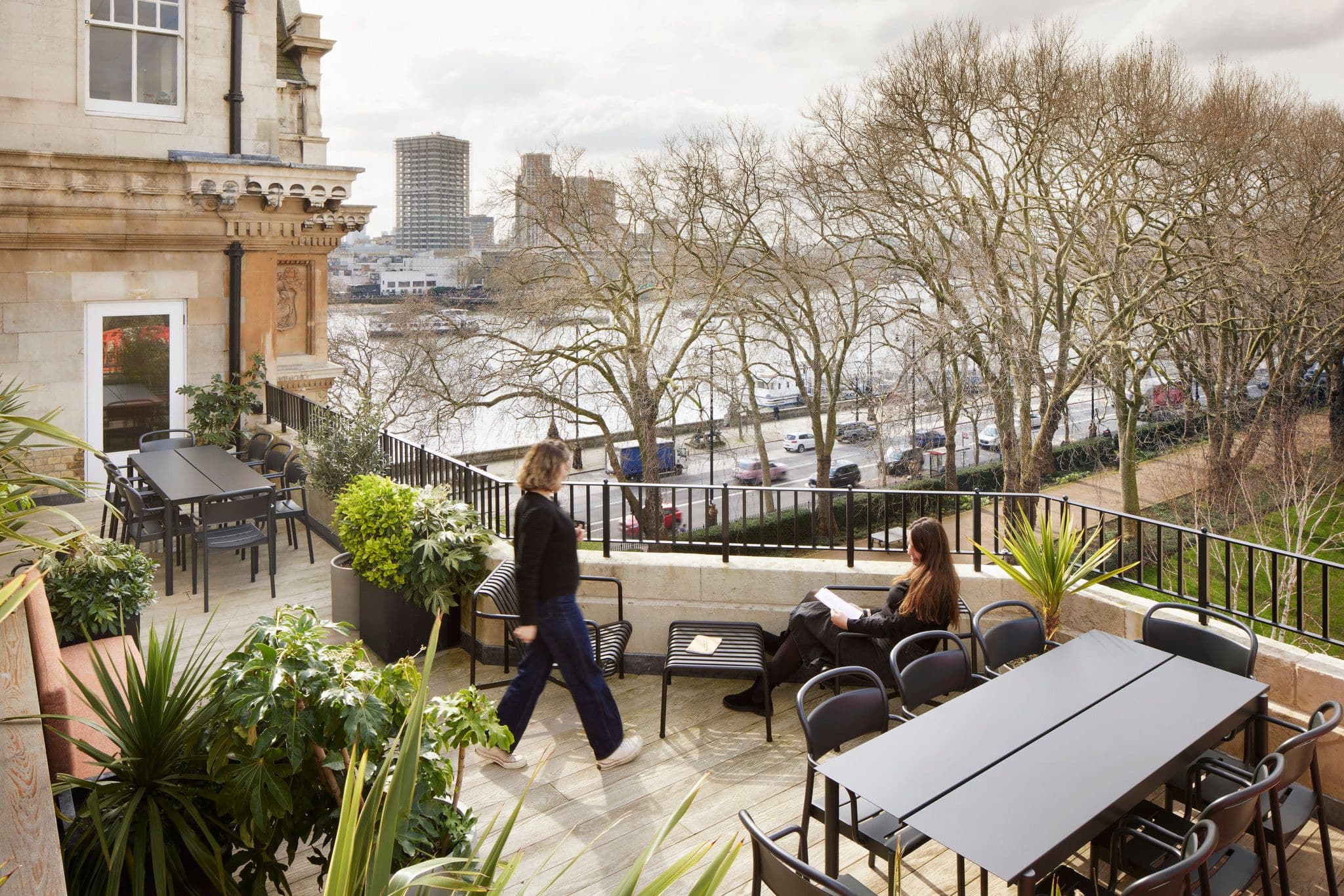
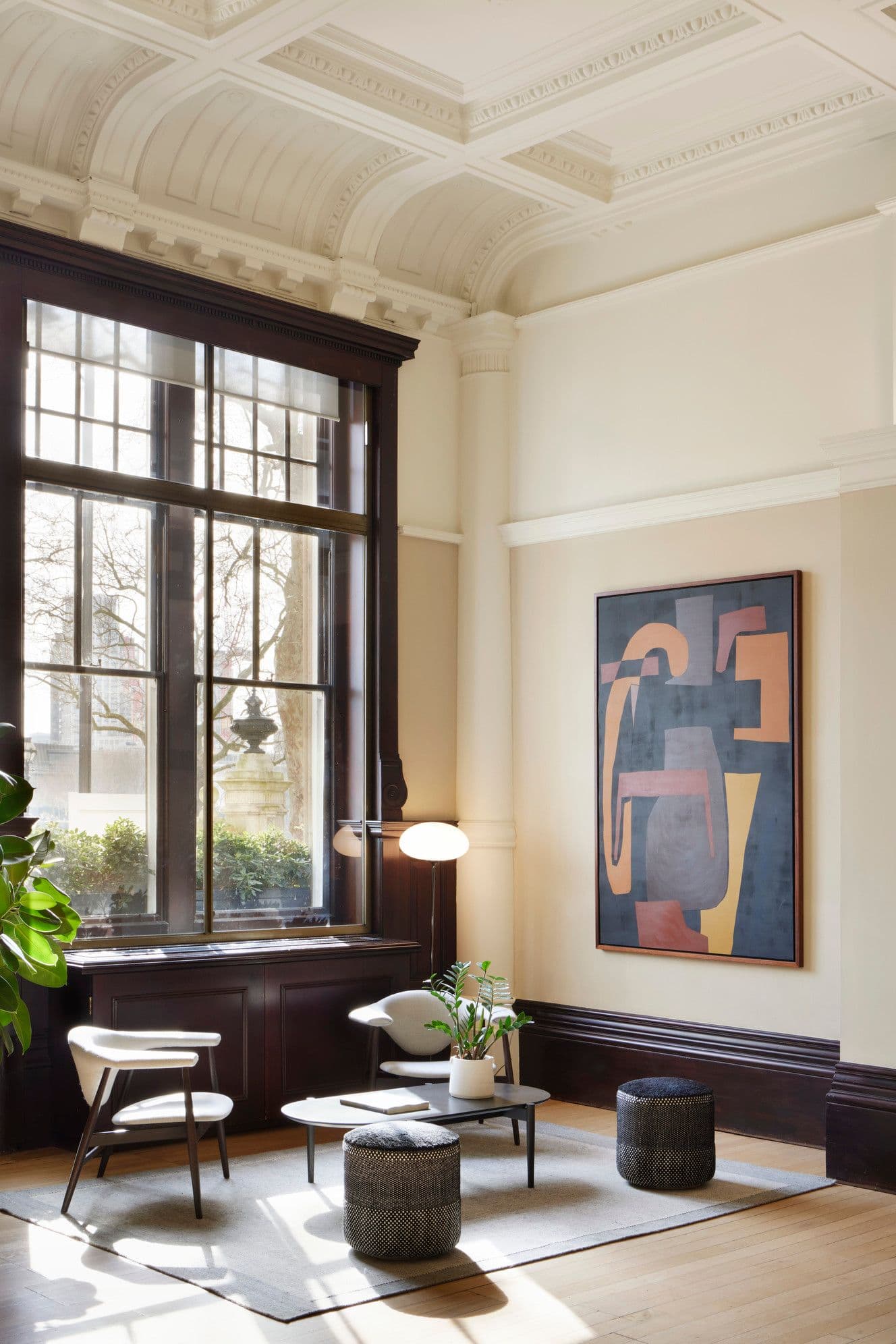
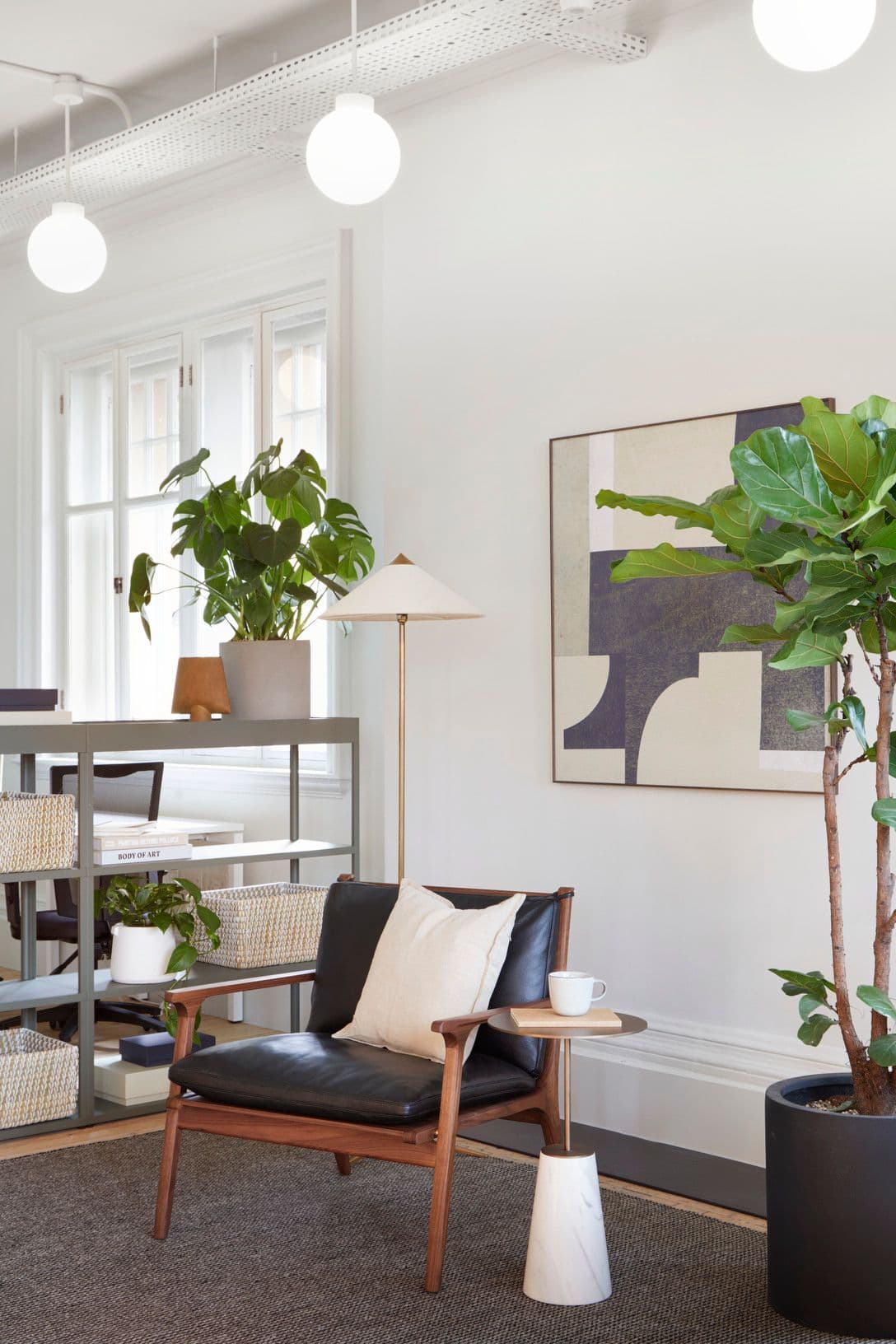
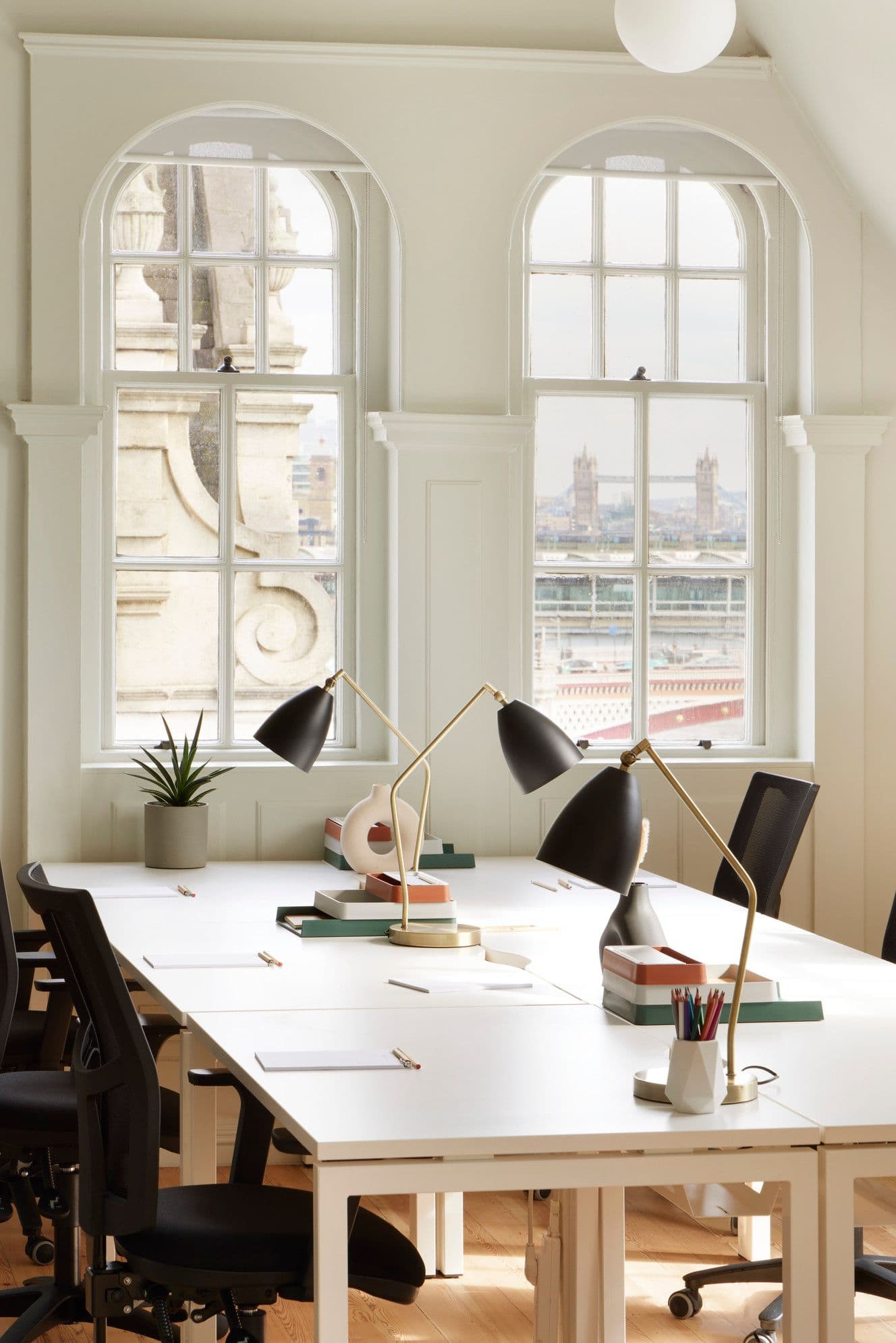
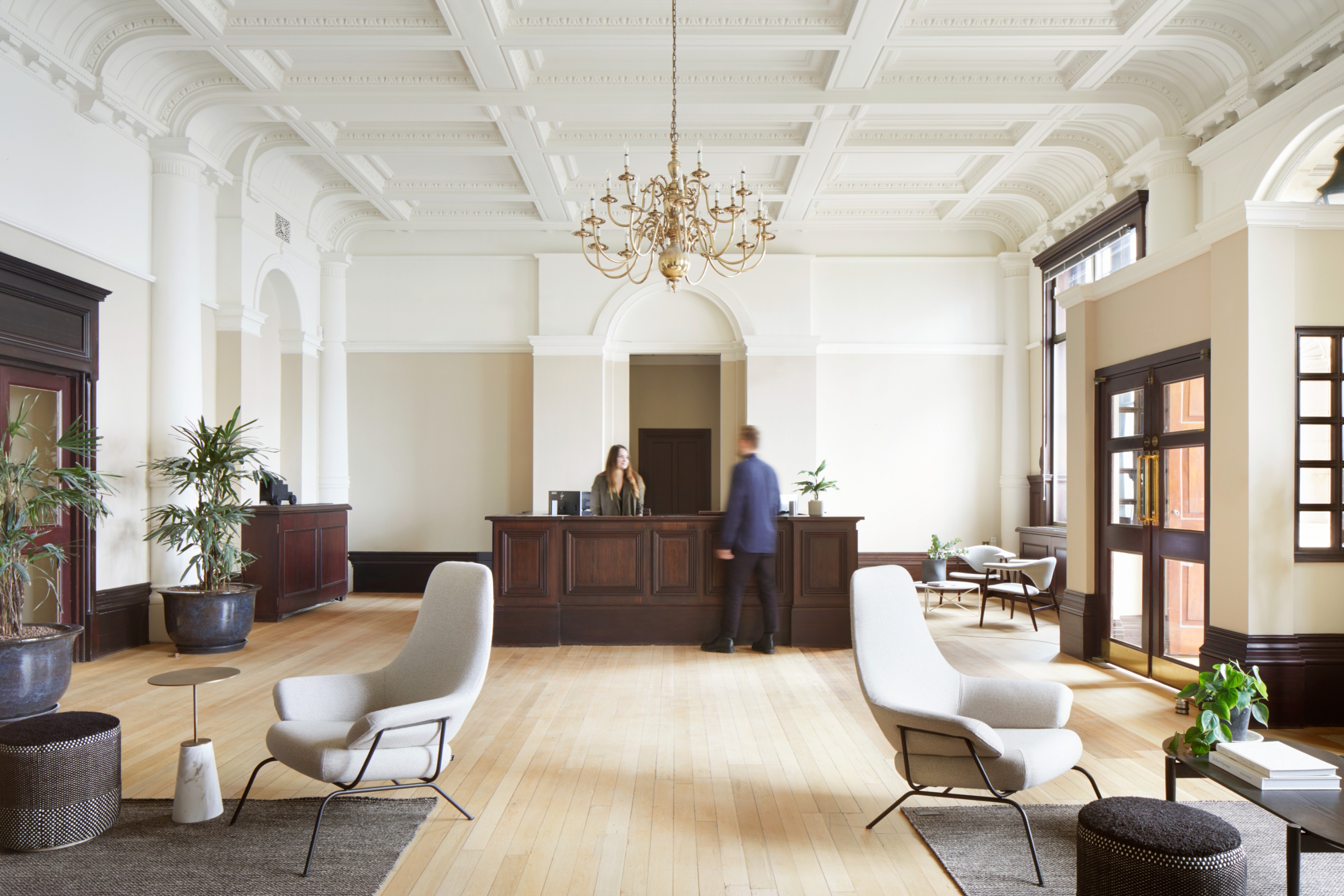
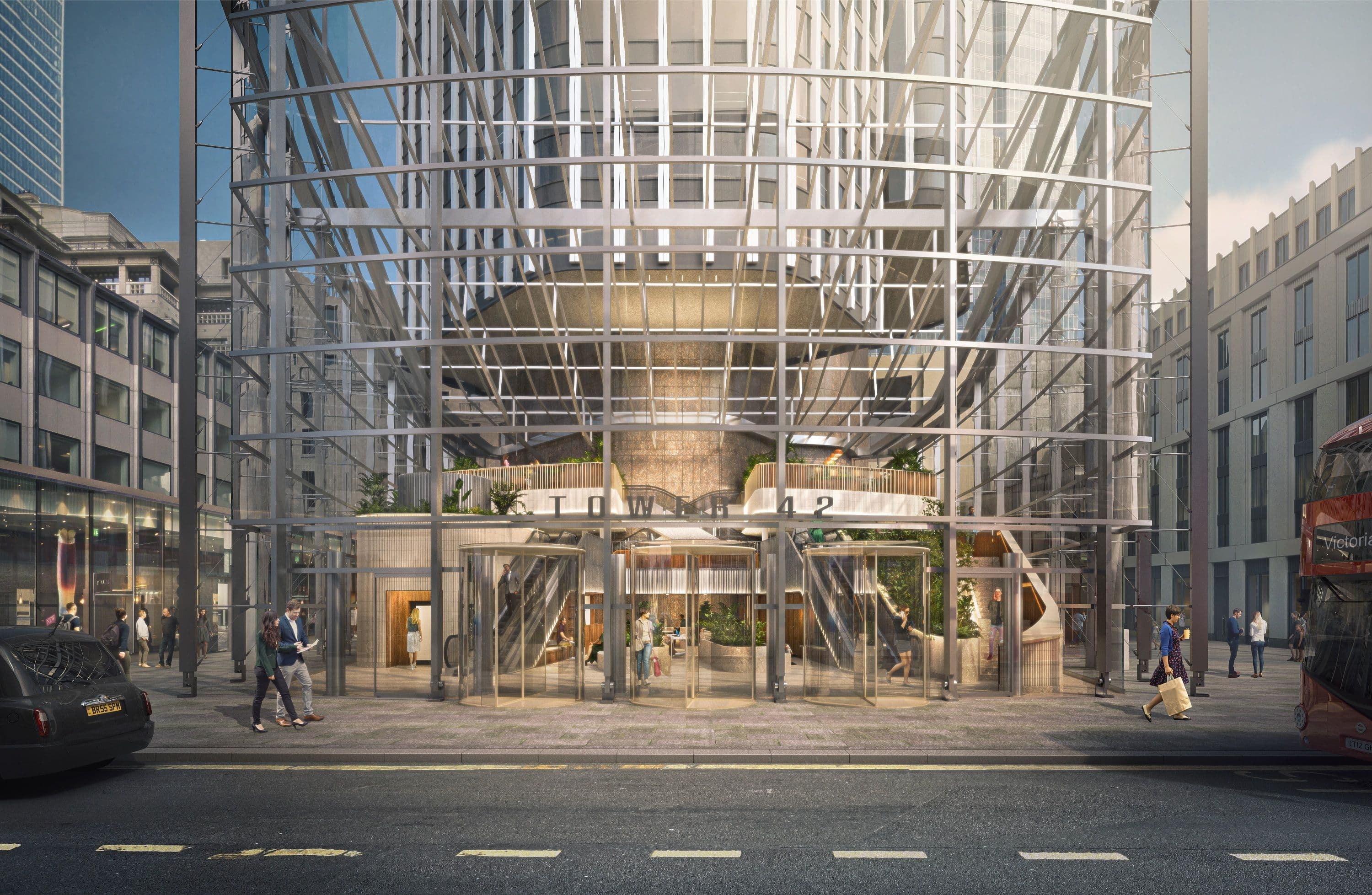
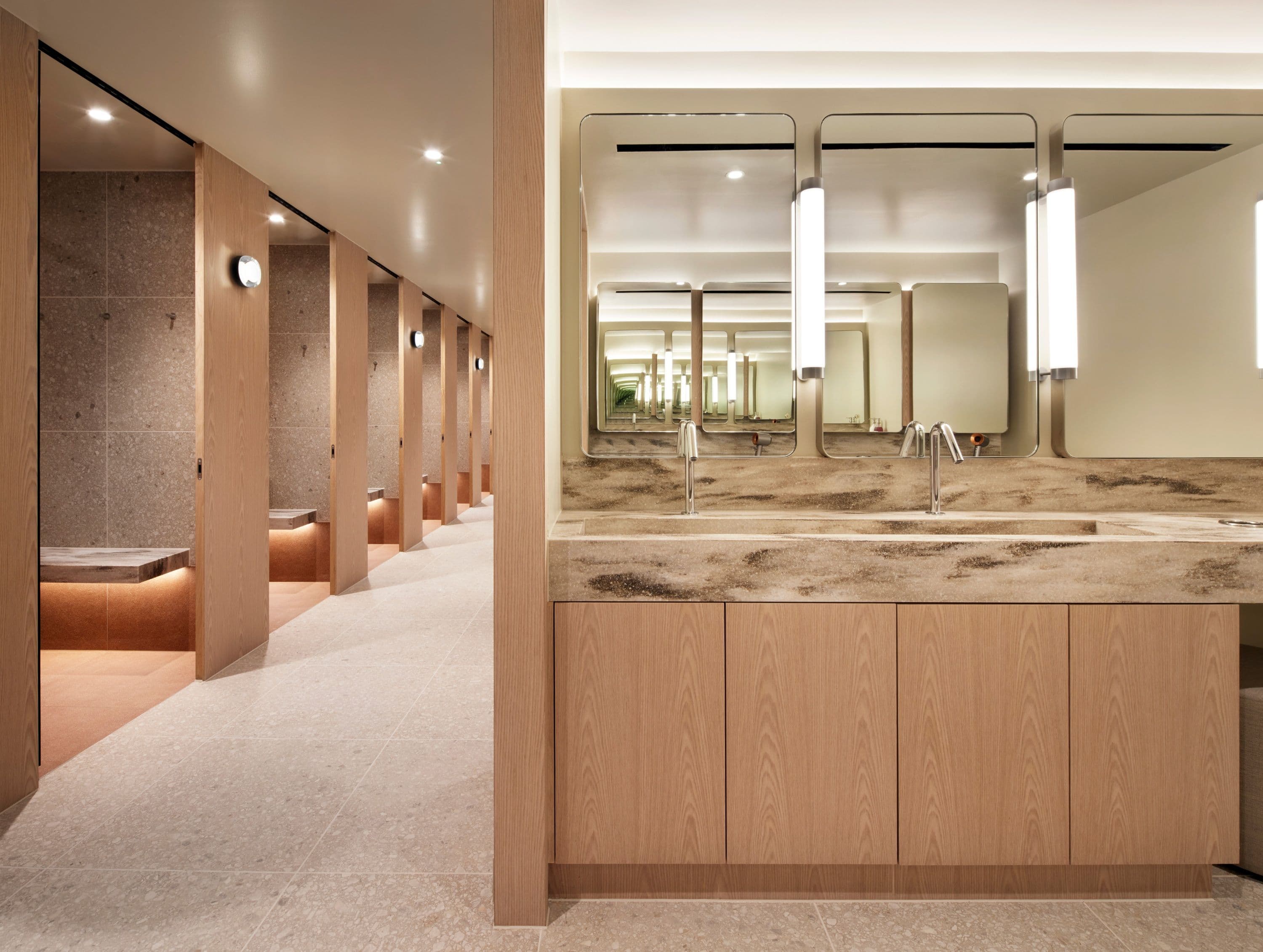
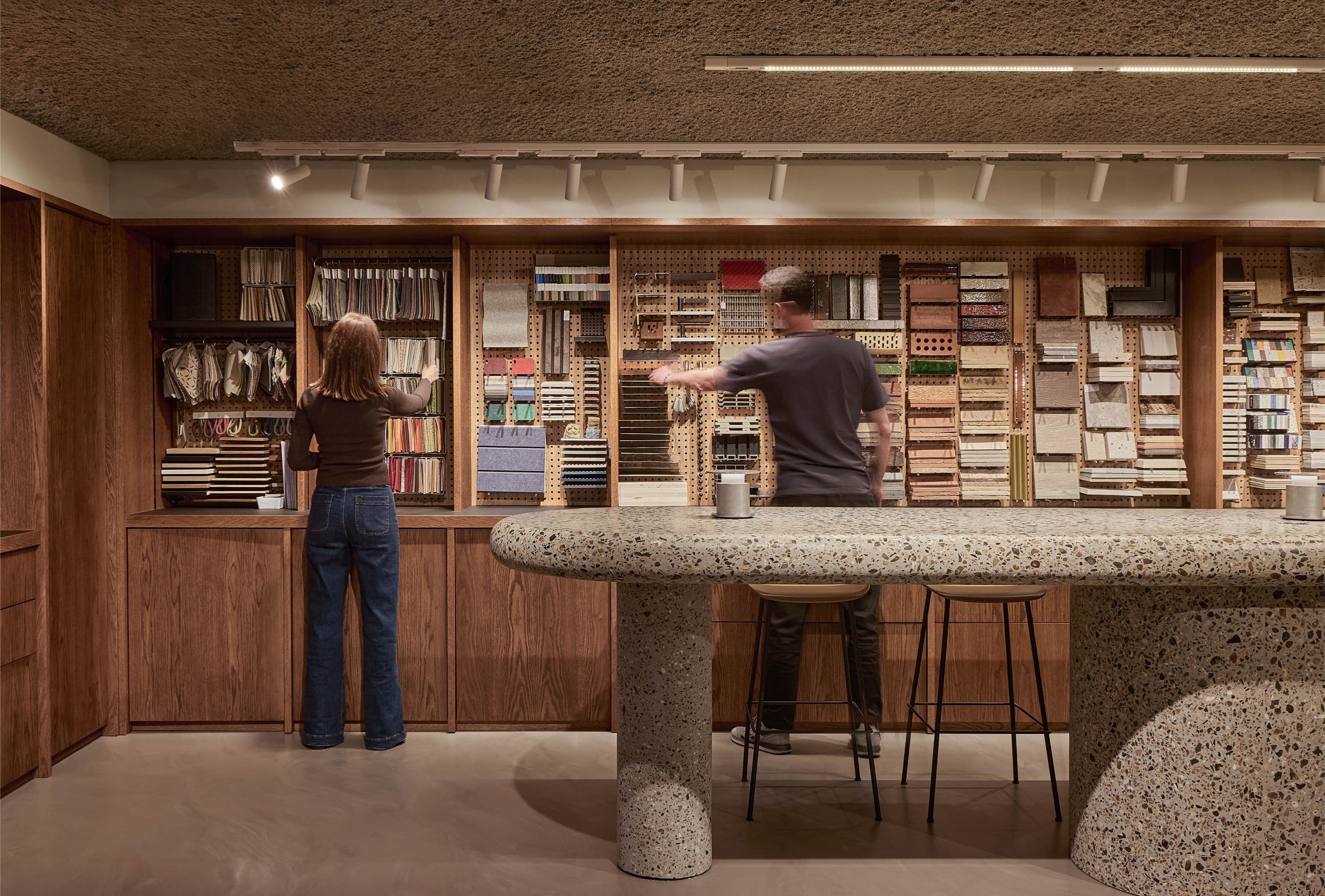
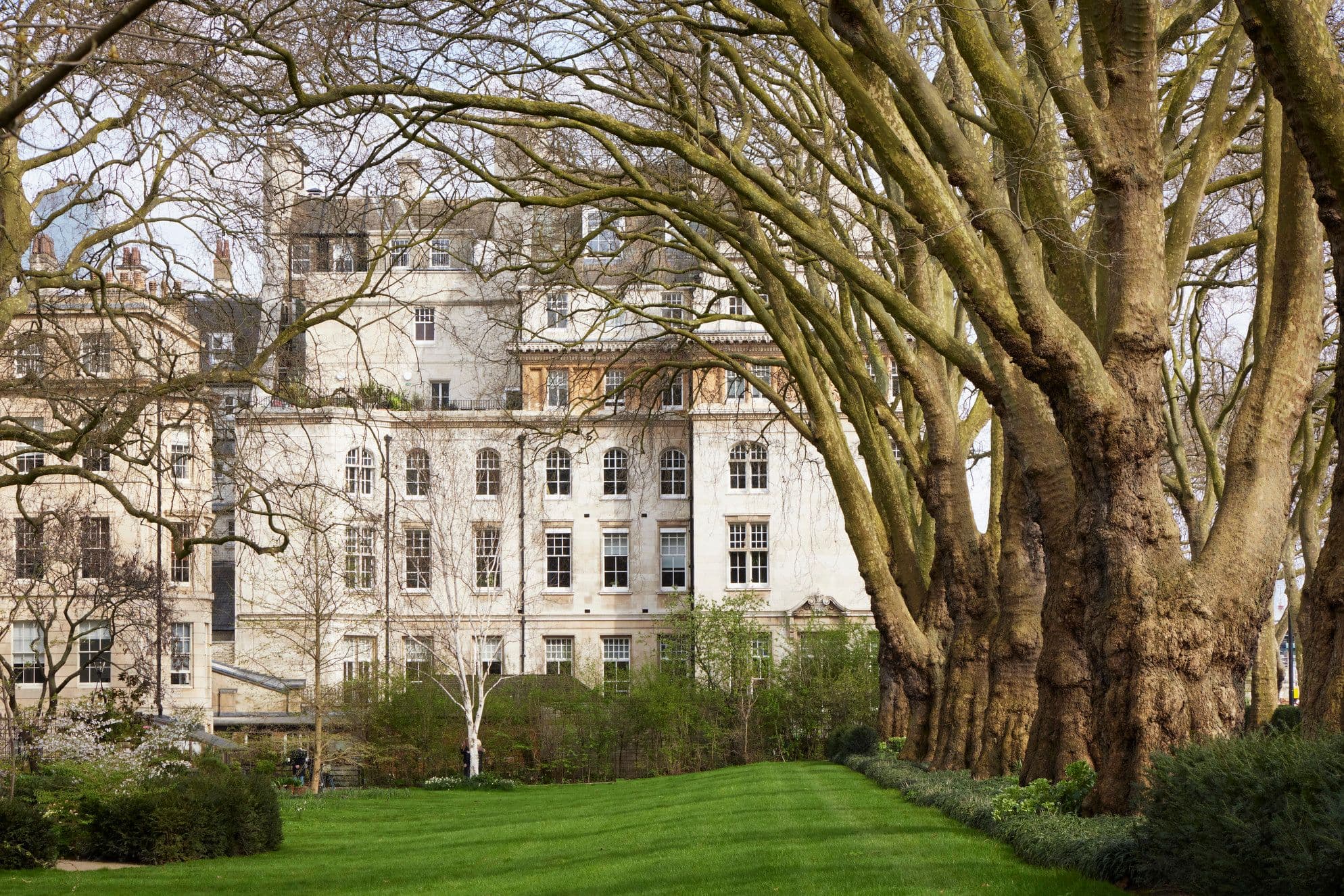
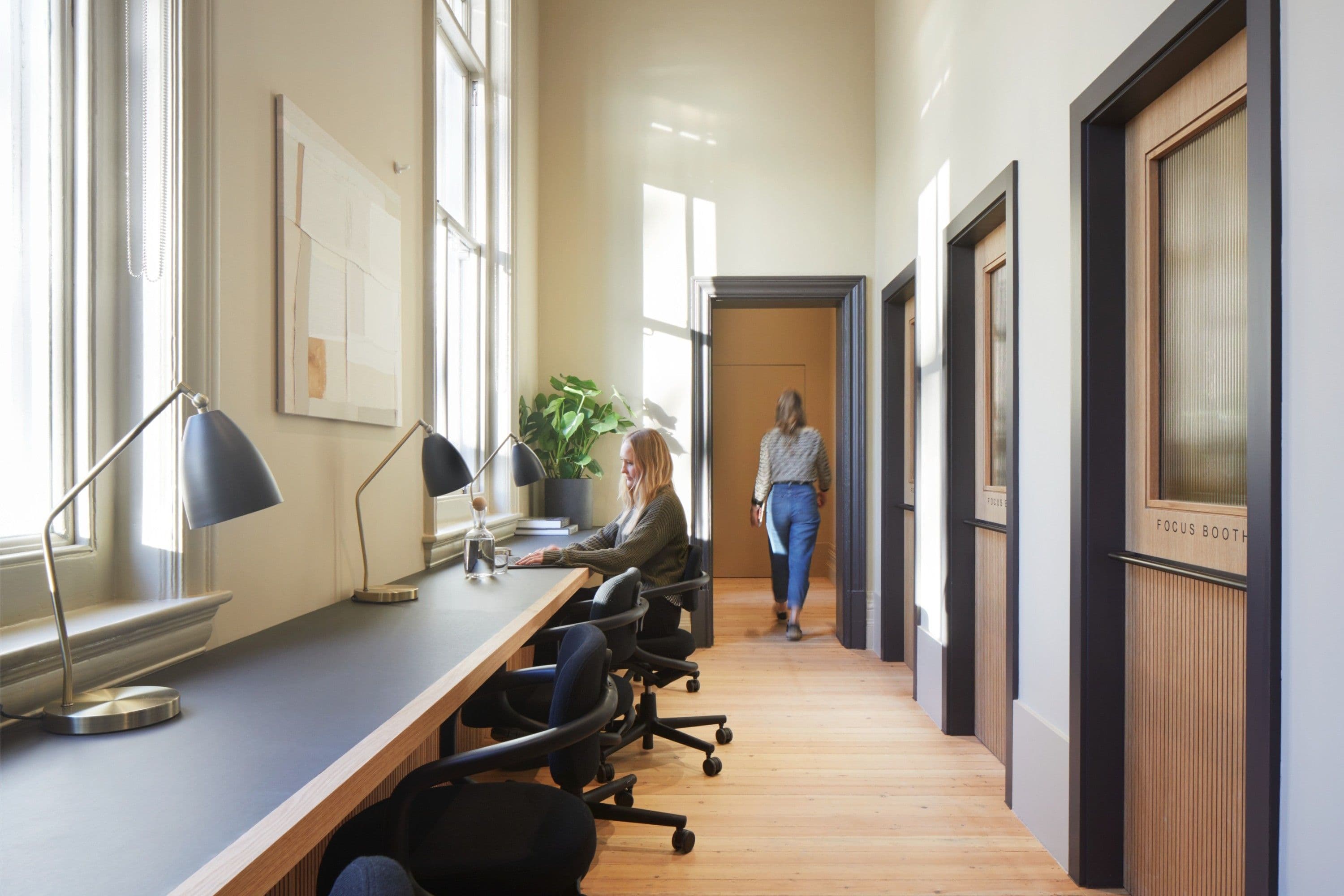
Hamilton House is a warm, characterful business centre combining historic fabric with contemporary flexibility. Overlooking the River Thames, its classical proportions, restored plasterwork and original terrazzo floors give each space depth and presence, whilst generous windows and reopened atriums draw light deep into the building. A new terrace introduces fresh air, planting and amenity to support wellbeing alongside upgraded sustainable performance. Diverse work settings, from focus booths to breakout spaces and hybrid-ready meeting rooms, create an uplifting workplace rooted in its riverside context.
- Location
- Blackfriars, London
- Size
- 40,000 sqft
- Client
- Dorrington
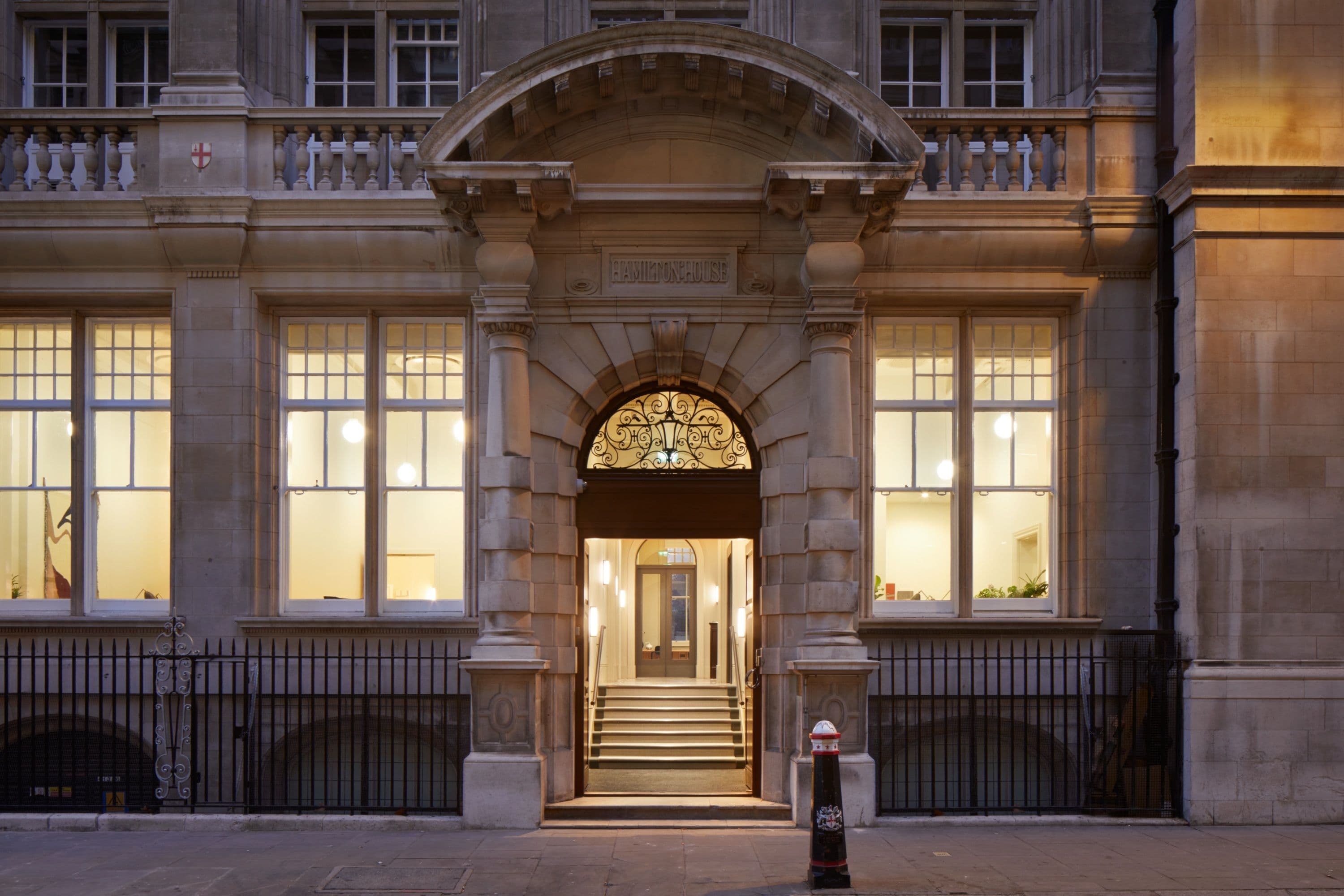
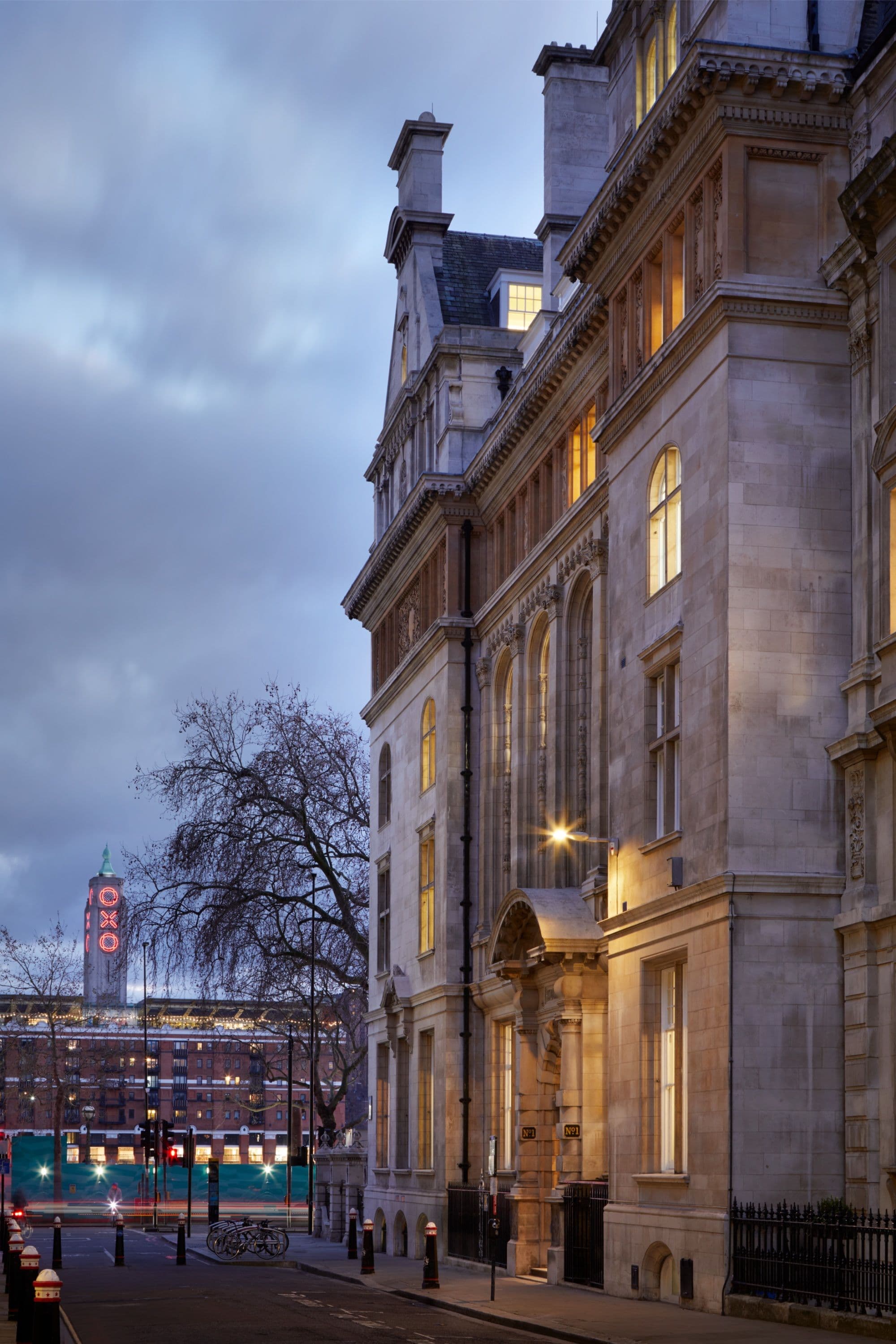
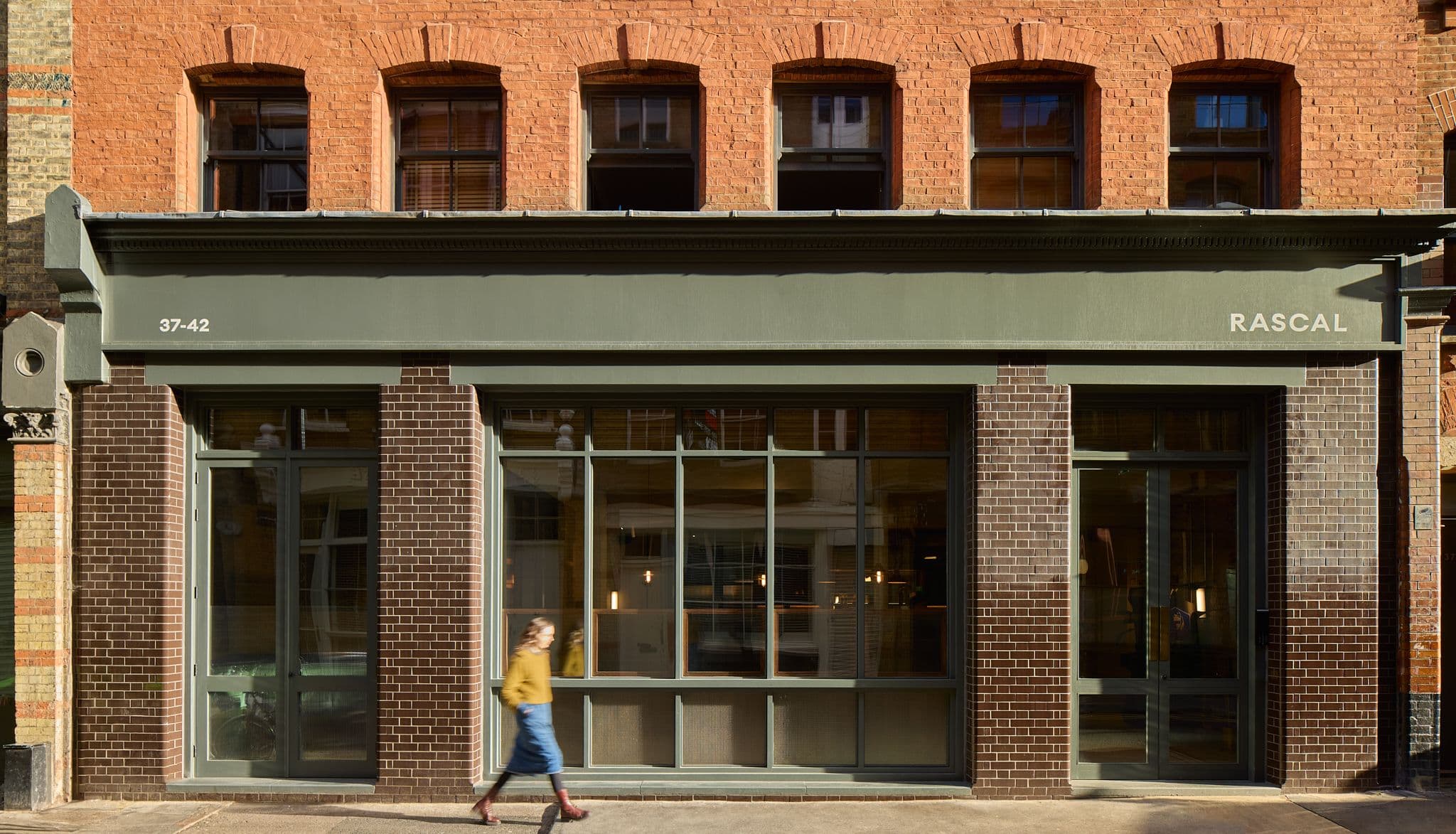
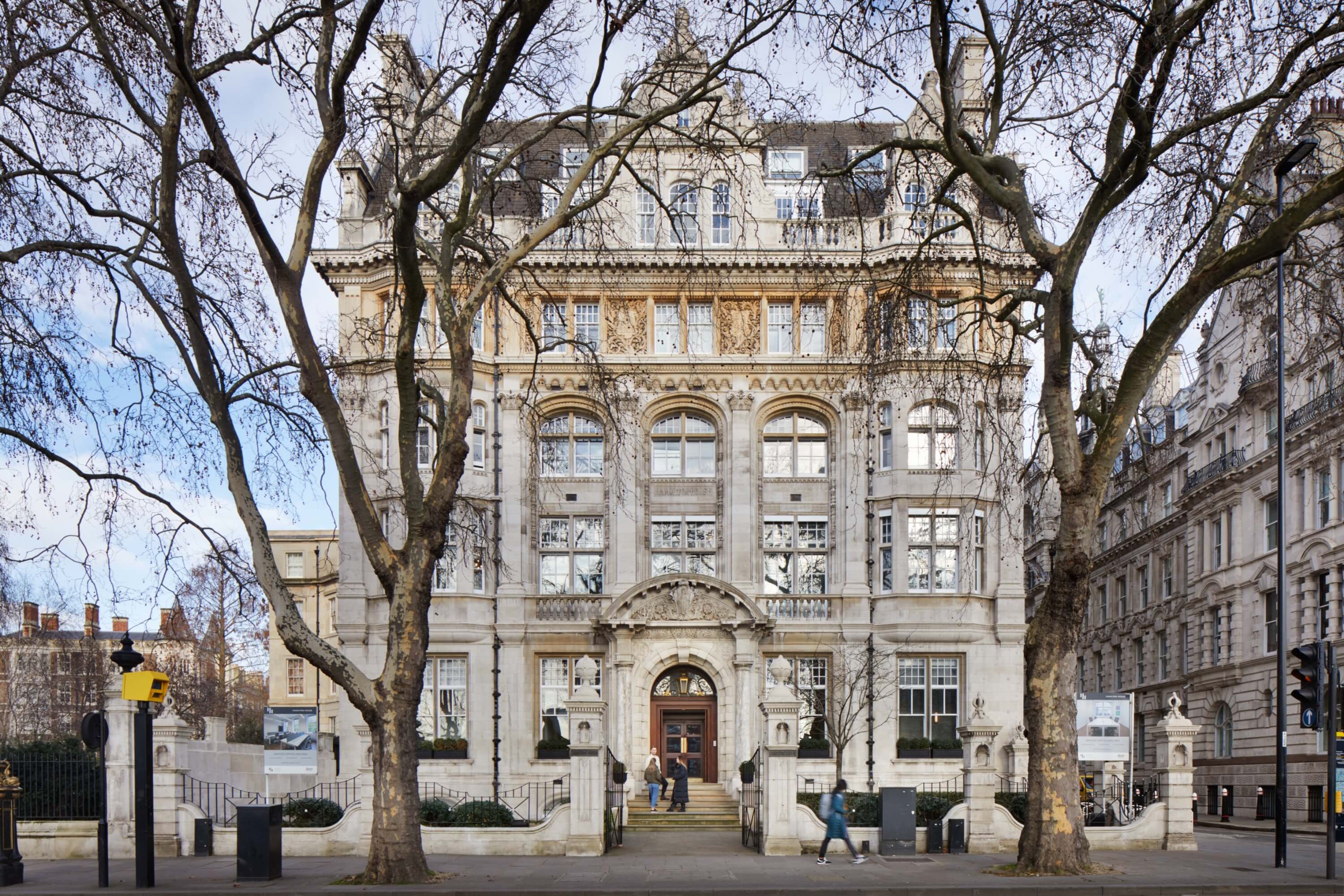
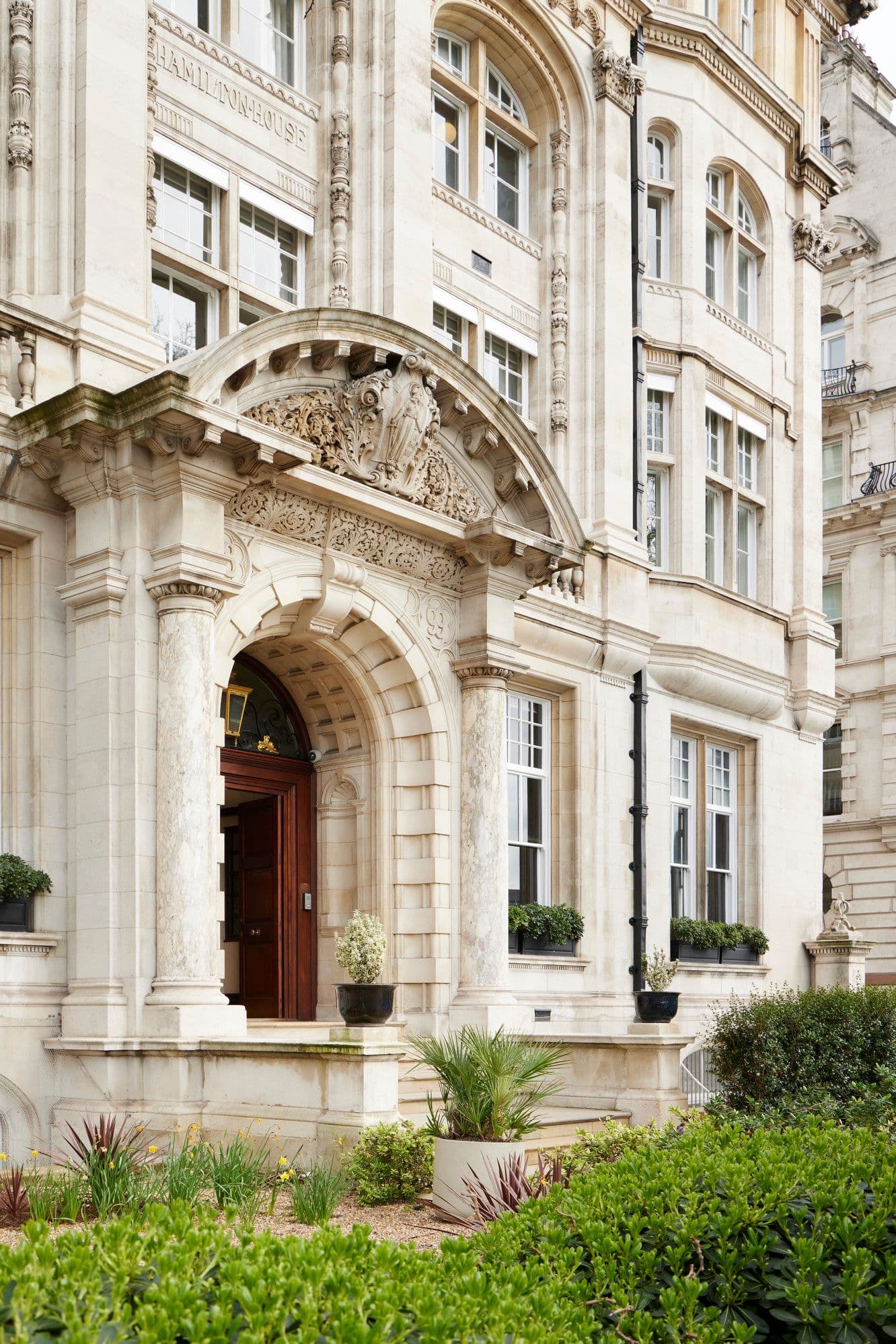
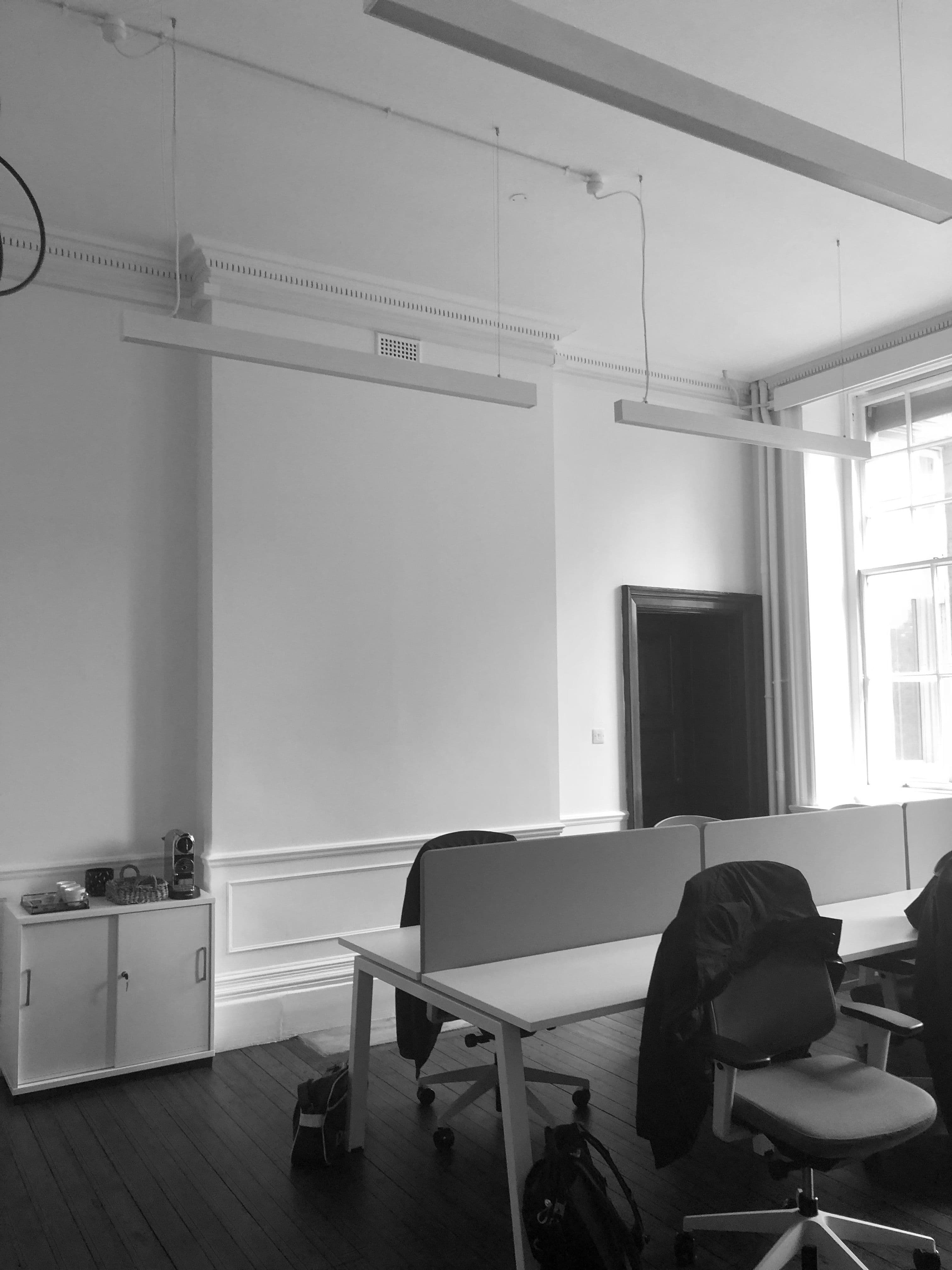
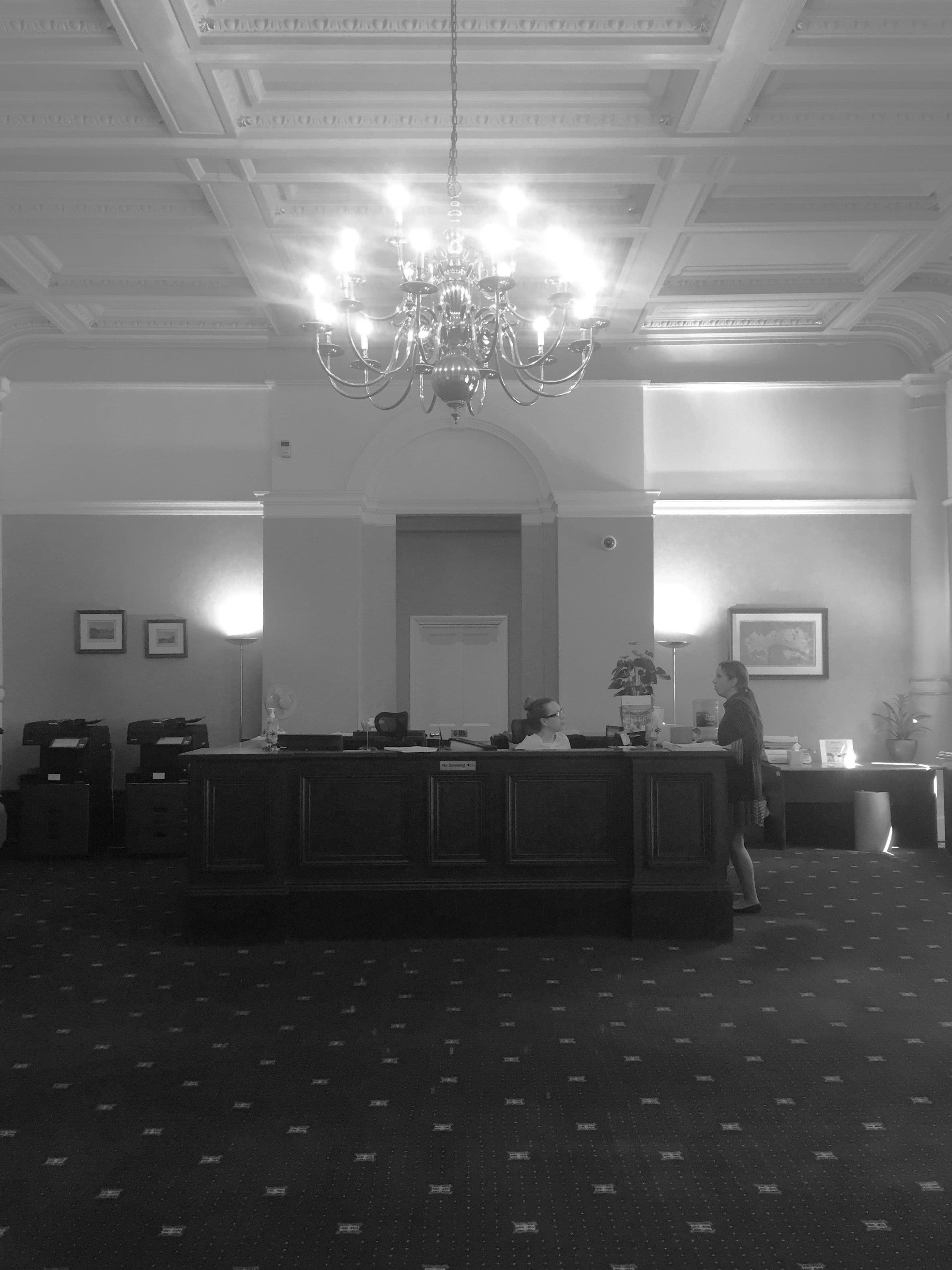
Designed in 1880 by Sir William Emerson for an insurance organisation and later occupied by various merchants, Hamilton House is a heritage-rich Grade II Listed building in the Whitefriars Conservation Area. Its ornate façades, classical proportions and river-facing elevation give it a commanding civic presence. Yet decades of piecemeal alterations – overclad historic features, layers of suspended ceilings and tired décor – had obscured its architectural character, leaving interiors that fell far short of the building’s inherent quality.
When Dorrington acquired the building, it had been operating for years as a value-focused serviced office, offering little sense of place or community. The brief was threefold: to create a contemporary business centre with flexible plug-and-play suites for small and medium-sized companies; to significantly improve the building’s sustainability and operational performance; and to realign the quality of the interiors with the strength of its historic exterior.
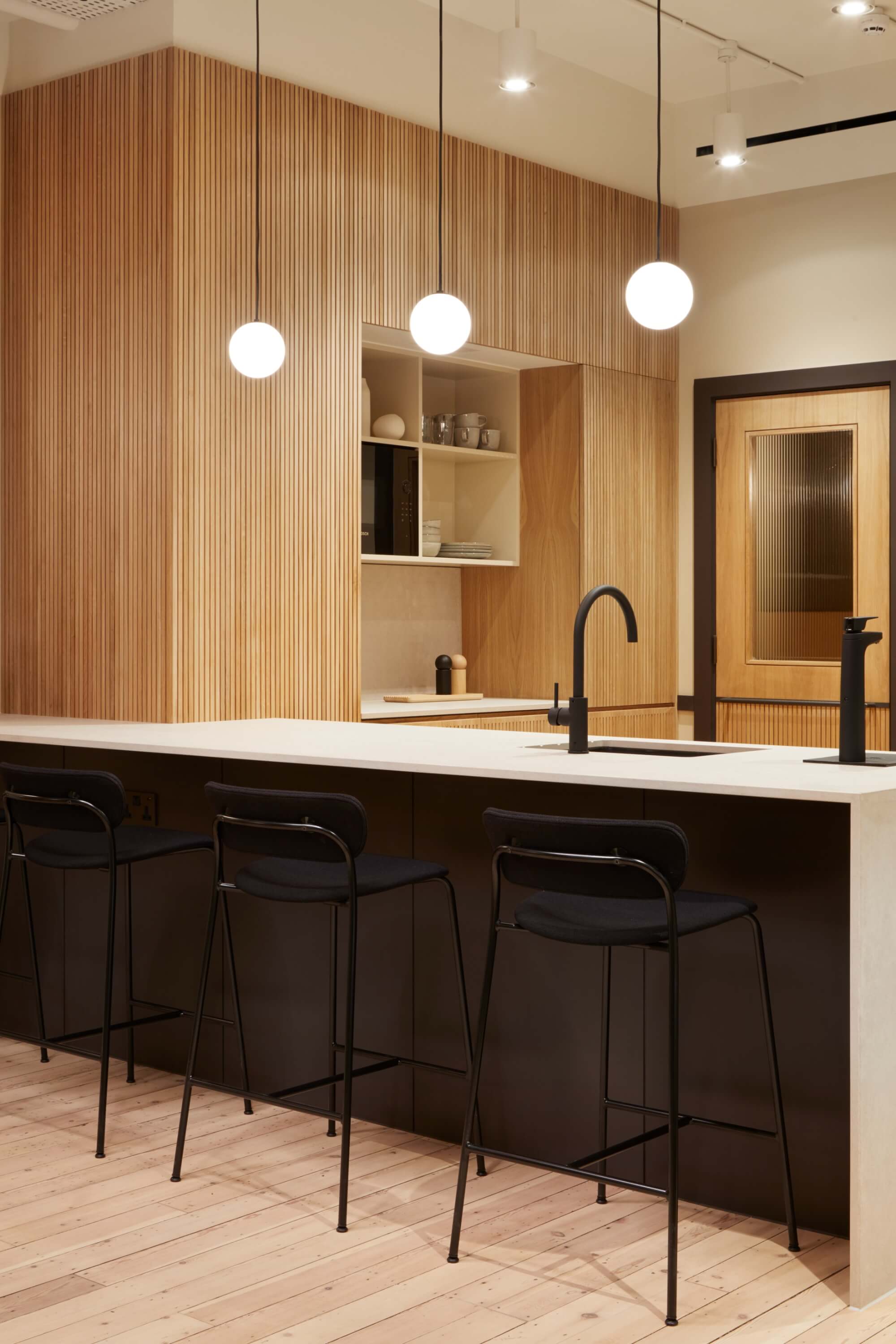
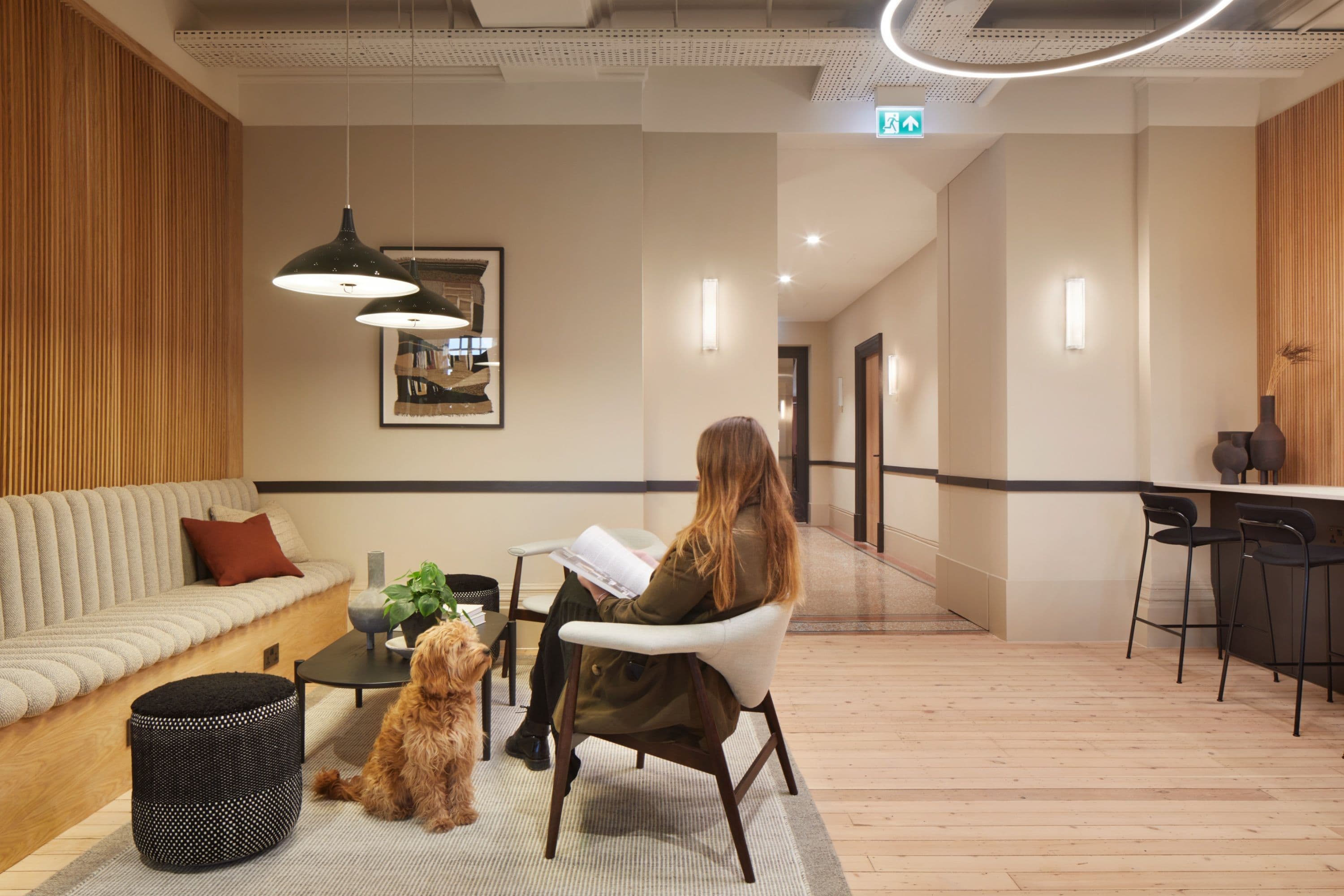
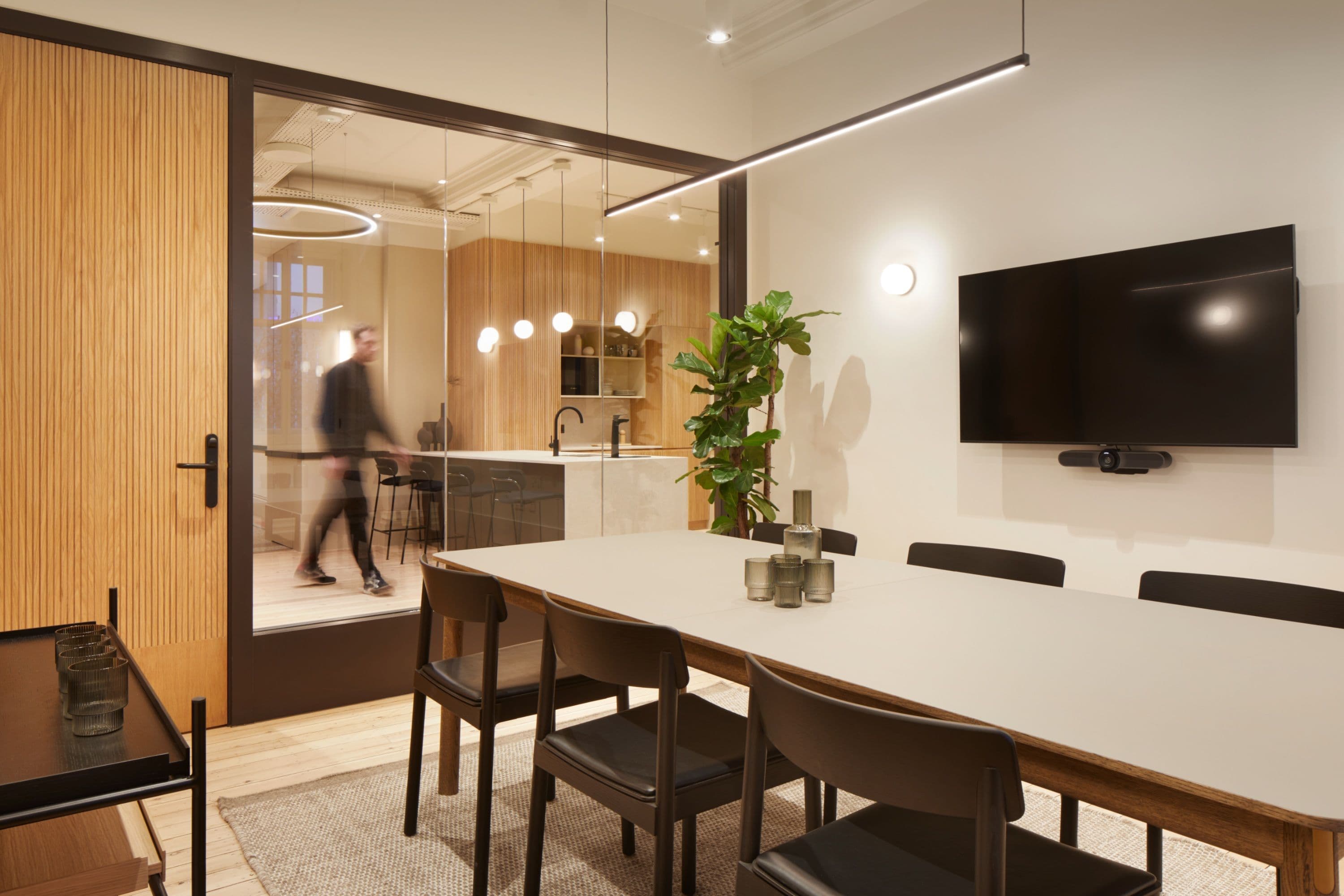
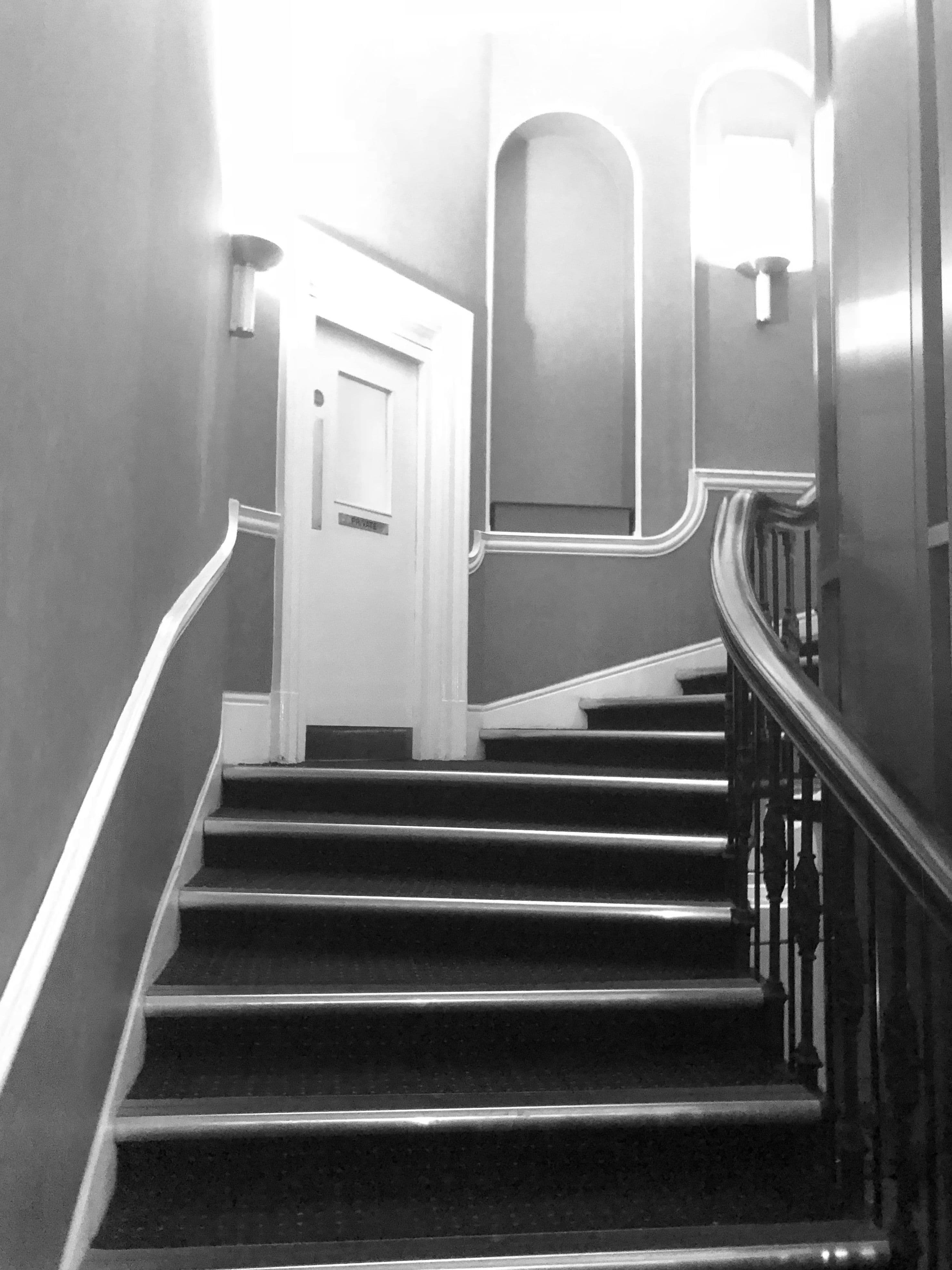
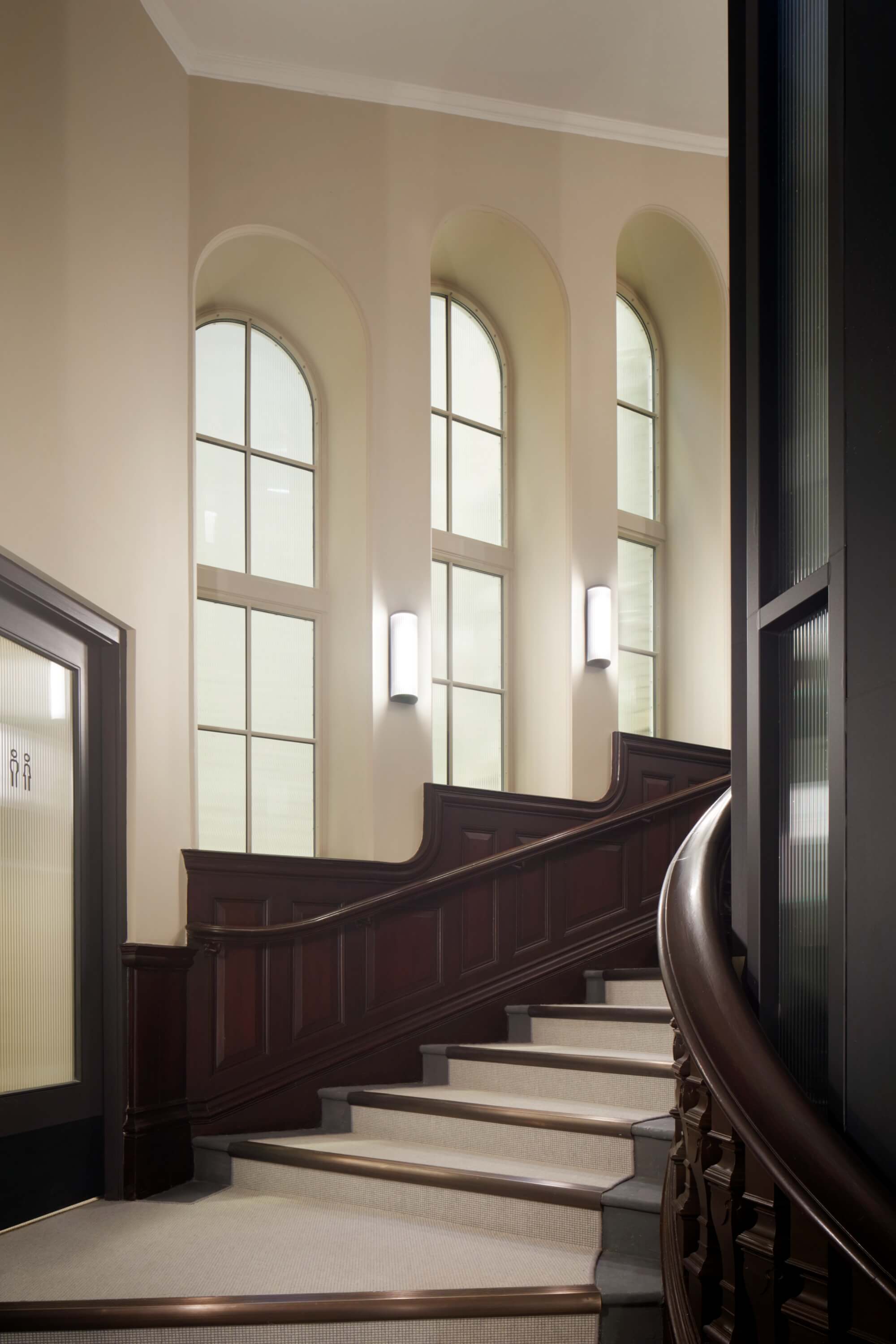
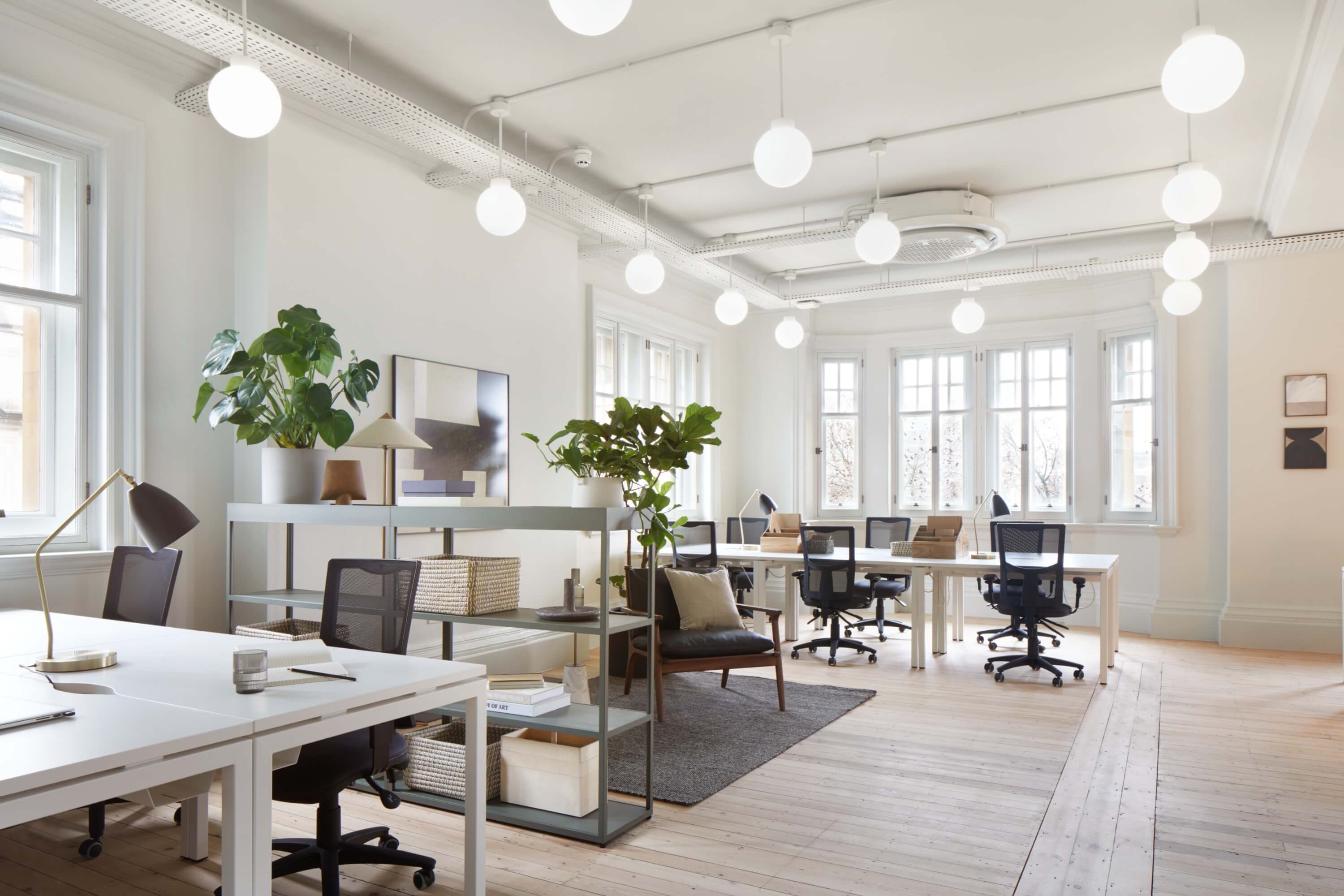
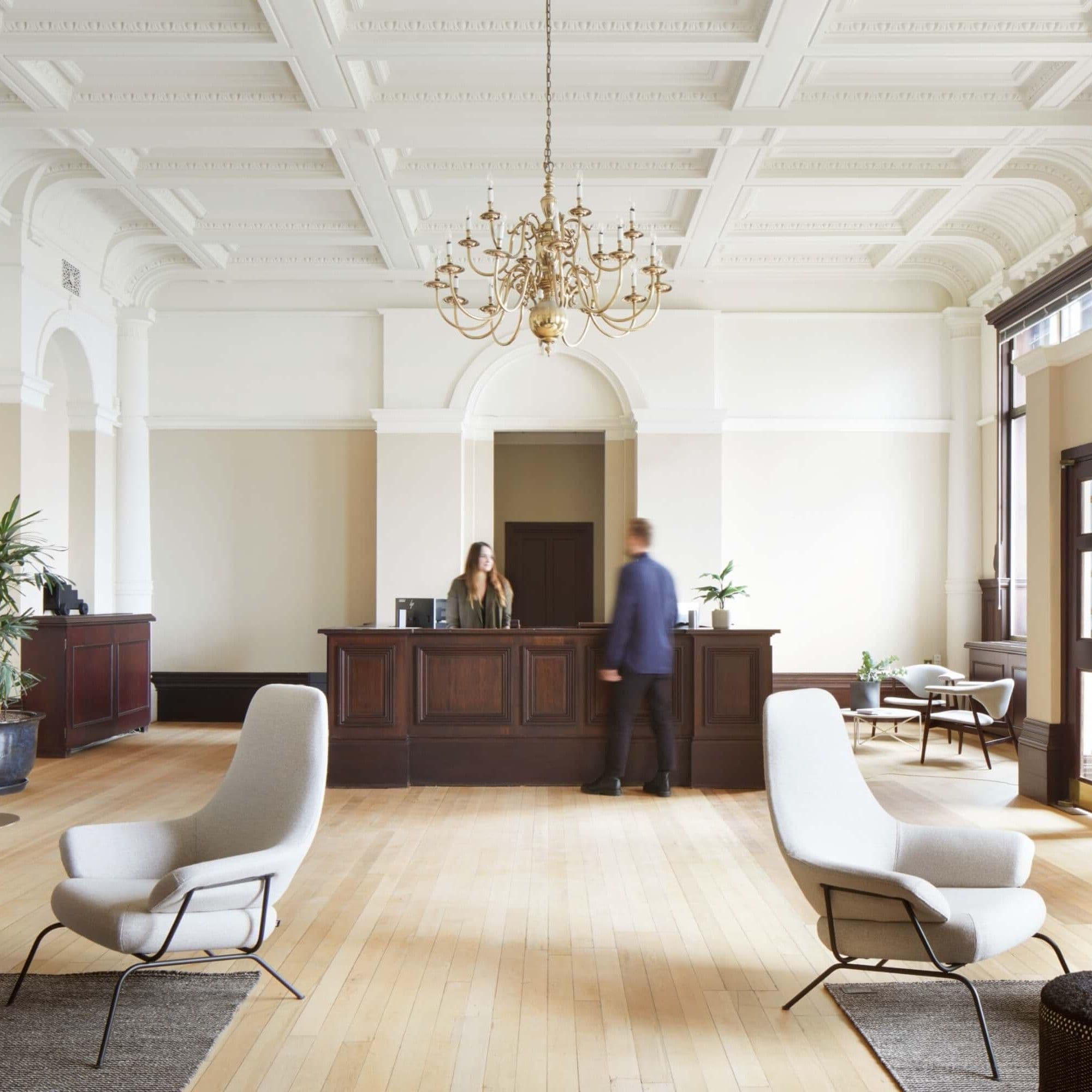
Our approach focused on evolving the story of Hamilton House – protecting its future rather than practising slavish preservation. Layers of past fit-outs were peeled back to reveal the building’s inherent character: suspended ceilings were removed, high-level windows reopened and atriums reinstated to draw daylight deep into the plan. Terrazzo, decorative plaster arches and extensive timber detailing were restored and complemented by a calm contemporary palette, while the reception was sensitively reconfigured to improve clarity and flow.
Before and After
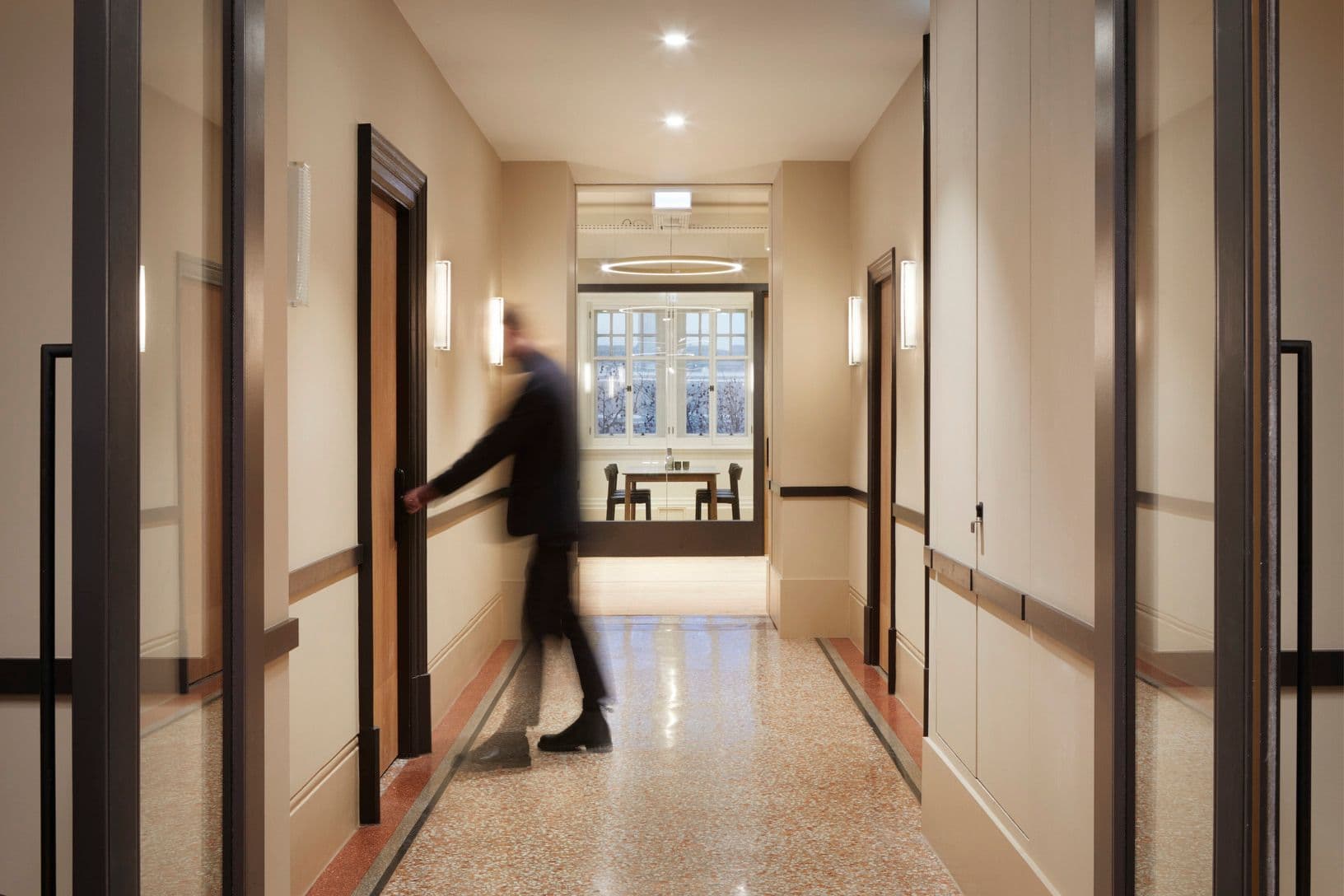
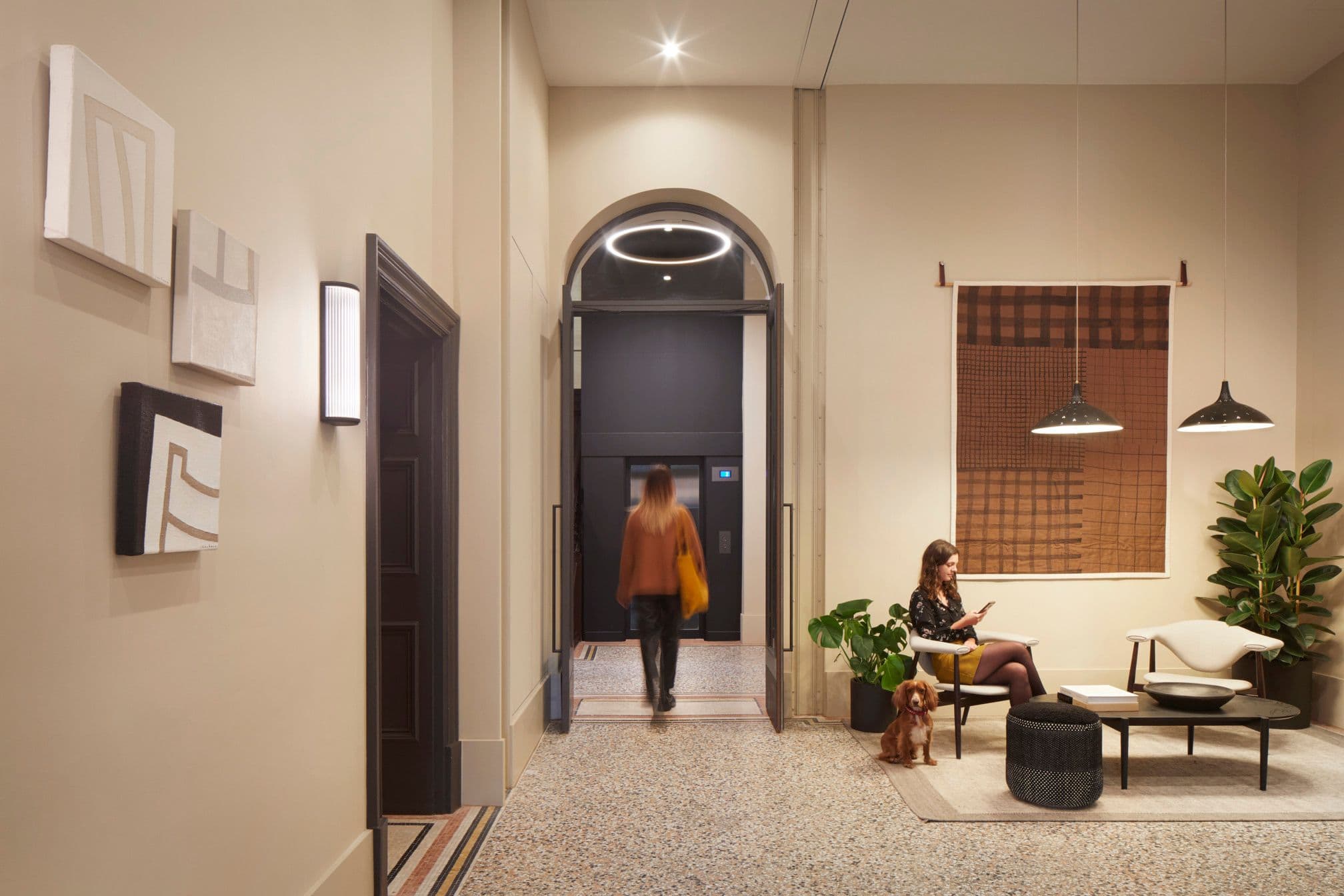
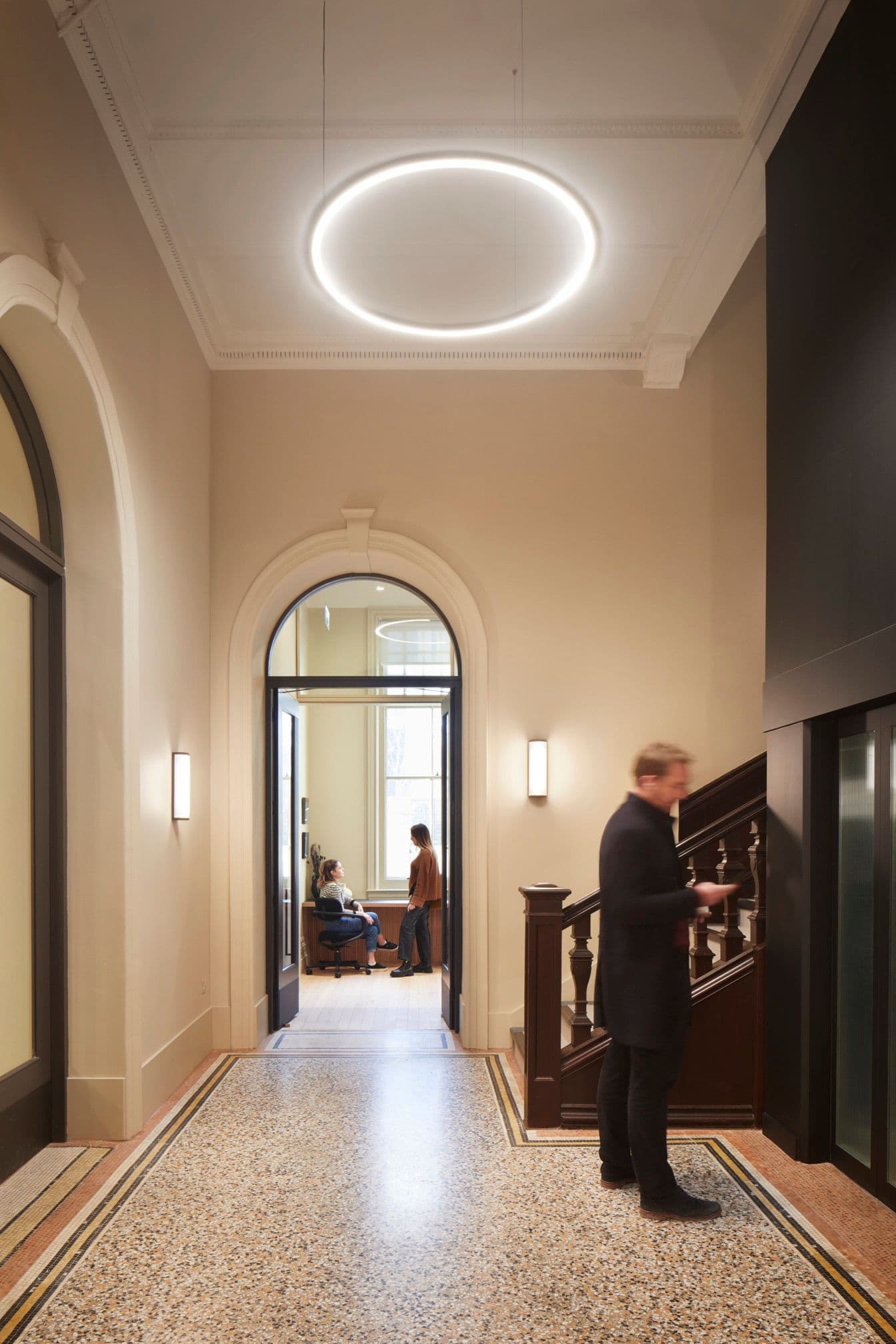
“dMFK have combined a sensitive design approach to the refurbishment and repurposing of a unique historic listed building with an awareness of the commerciality that underpins our business model.”
Rob Harris, Director at Dorrington
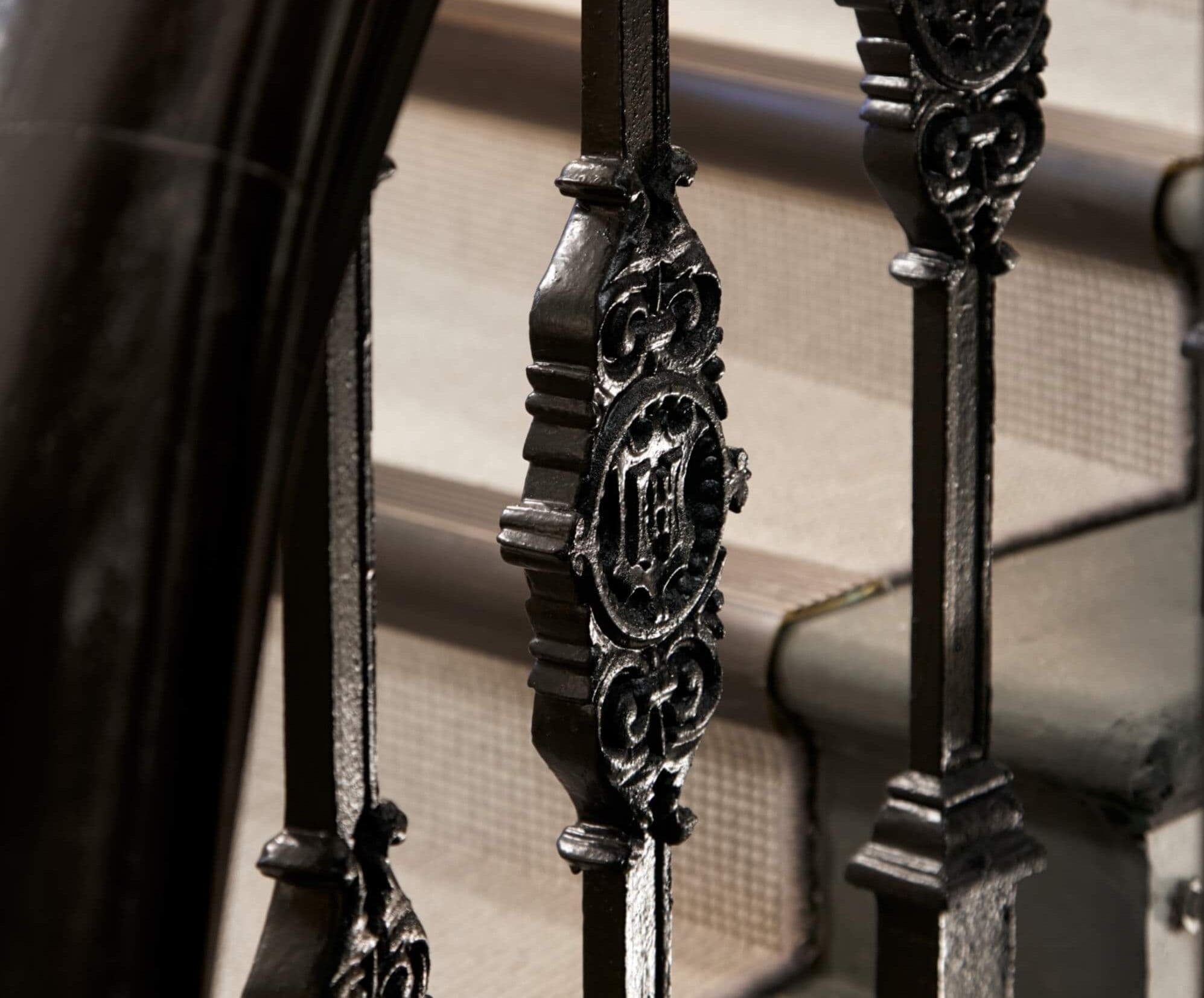
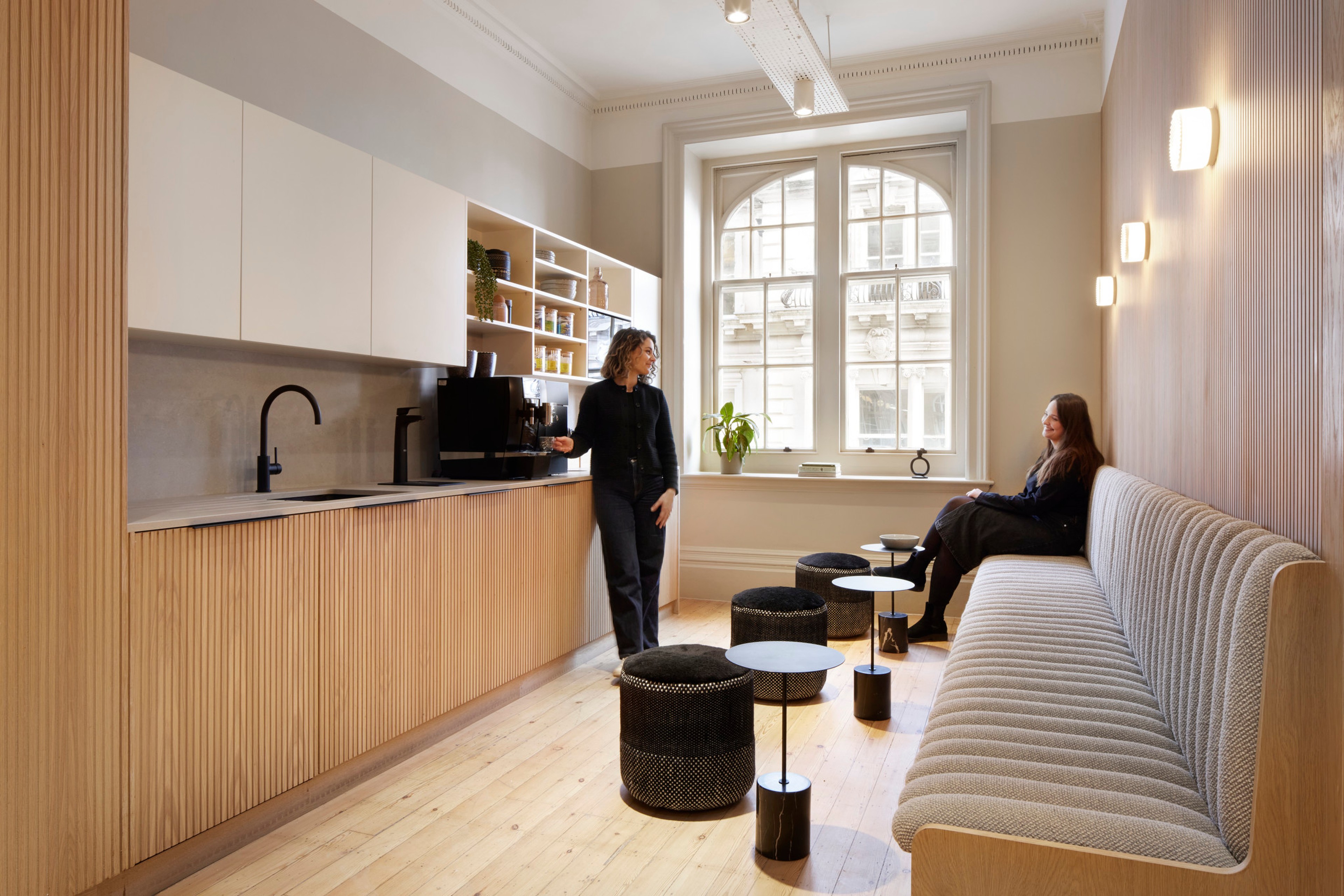
A build-less sustainability strategy shaped the retrofit. New double-glazed timber sash windows – among the first approved for a Grade II Listed building in the City – greatly enhanced energy efficiency. A new terrace adds outdoor amenity and biodiversity, while flood-risk measures were integrated due to the riverside location. Delivered floor by floor under a traditional contract, the works allowed tenants to remain in occupation and enabled responsive refinement throughout.