FX Awards
Workspace Finalist (>40k sqft)
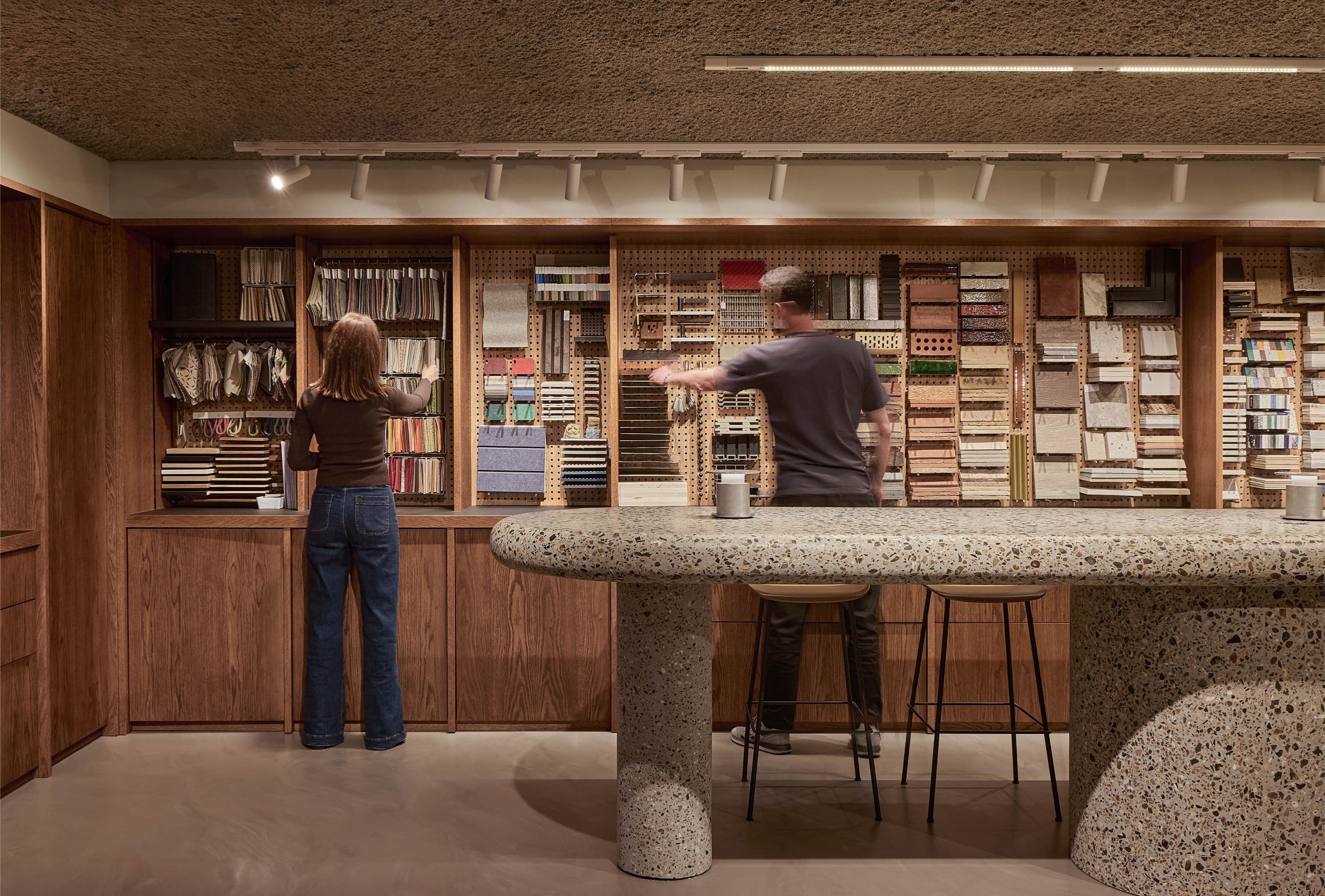
A central glass atrium draws daylight down through Wimpole Street, giving the workspace its energy and sense of connection. Warm, tactile materials – ceramics, solid tulip wood, fluted glass and tarnished steel – create a layered interior that feels both crafted and relaxed. Corridors become places to pause and work, with booths and study niches woven into the plan. Greenery-filled gardens on the second floor and roof provide space to step outside, meet quietly or work alfresco, supporting the daily rhythm of the building’s community.
- Location
- Marylebone, London
- Size
- 400 sqm
- Client
- The Office Group (now Fora)
The Office Group (now Fora) asked us to create a workplace that actively fosters community across three connected buildings, encouraging people to move beyond private offices into shared, social spaces. The ambition was to create a generous, welcoming environment that draws people together, balancing openness with focus and offering a wide range of settings that respond to different ways of working throughout the day and across the life of the building.
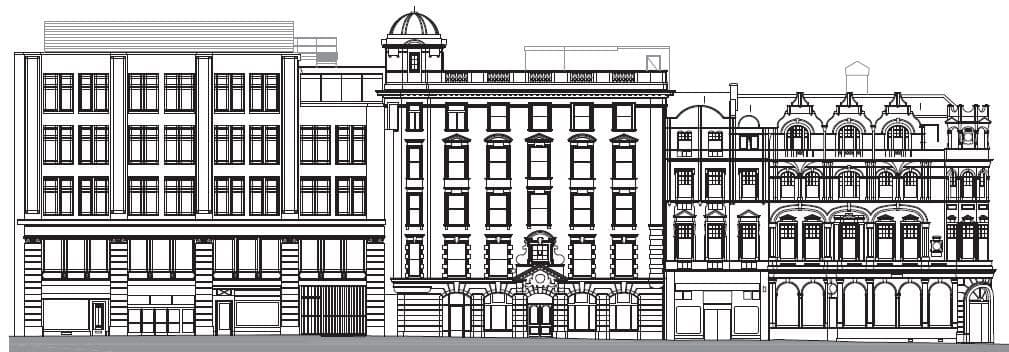
Originally designed by renowned architects William Wallace and James S. Wilson, the three baroque buildings already possessed scale, elegance and civic presence. However, at their centre sat a cool, corporate atrium that failed to connect the five office floors or reflect contemporary patterns of use. The brief was to soften this space and reimagine it as an informal heart, capable of bringing the buildings together while respecting their architectural heritage.
Before and After
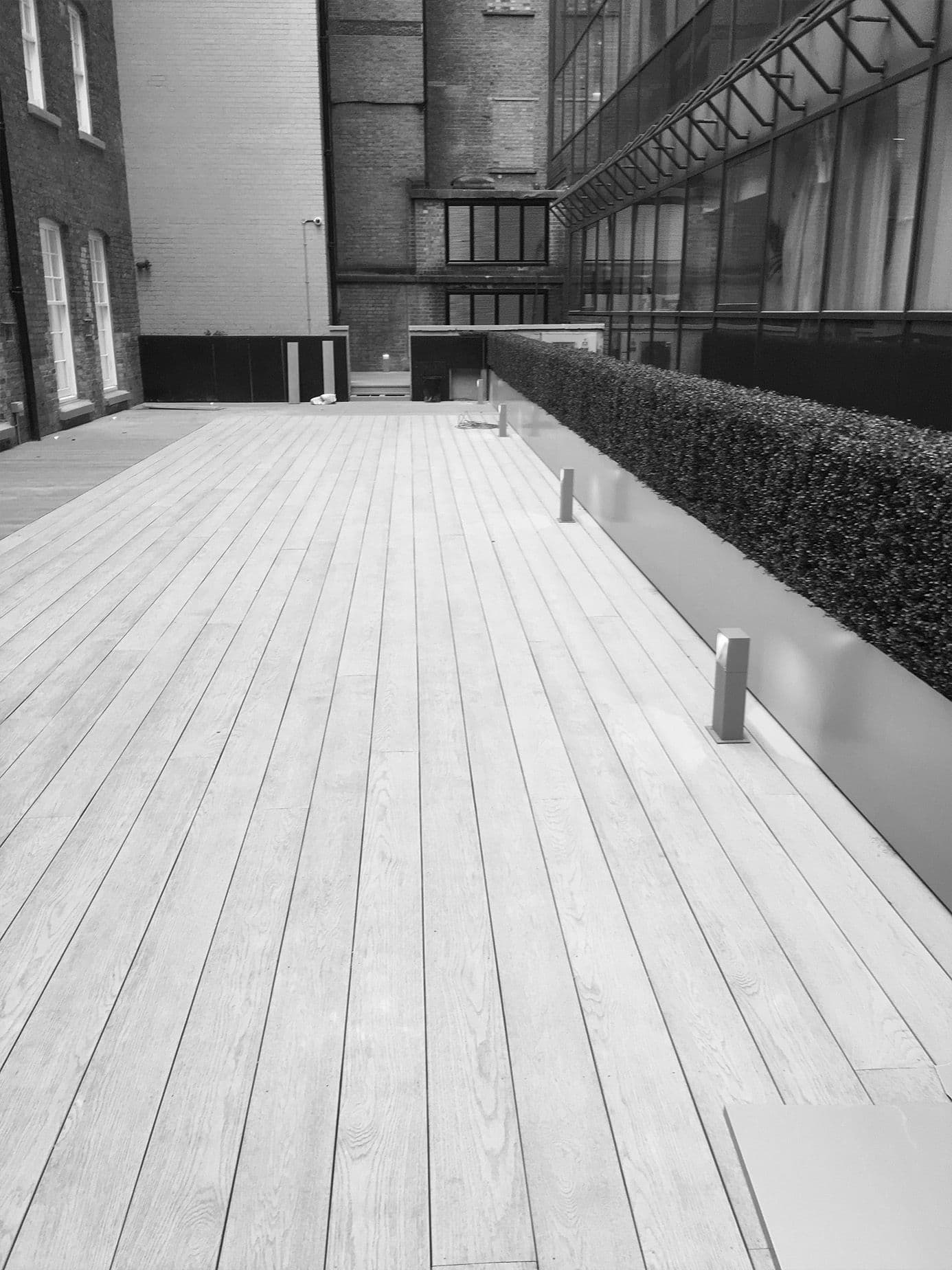
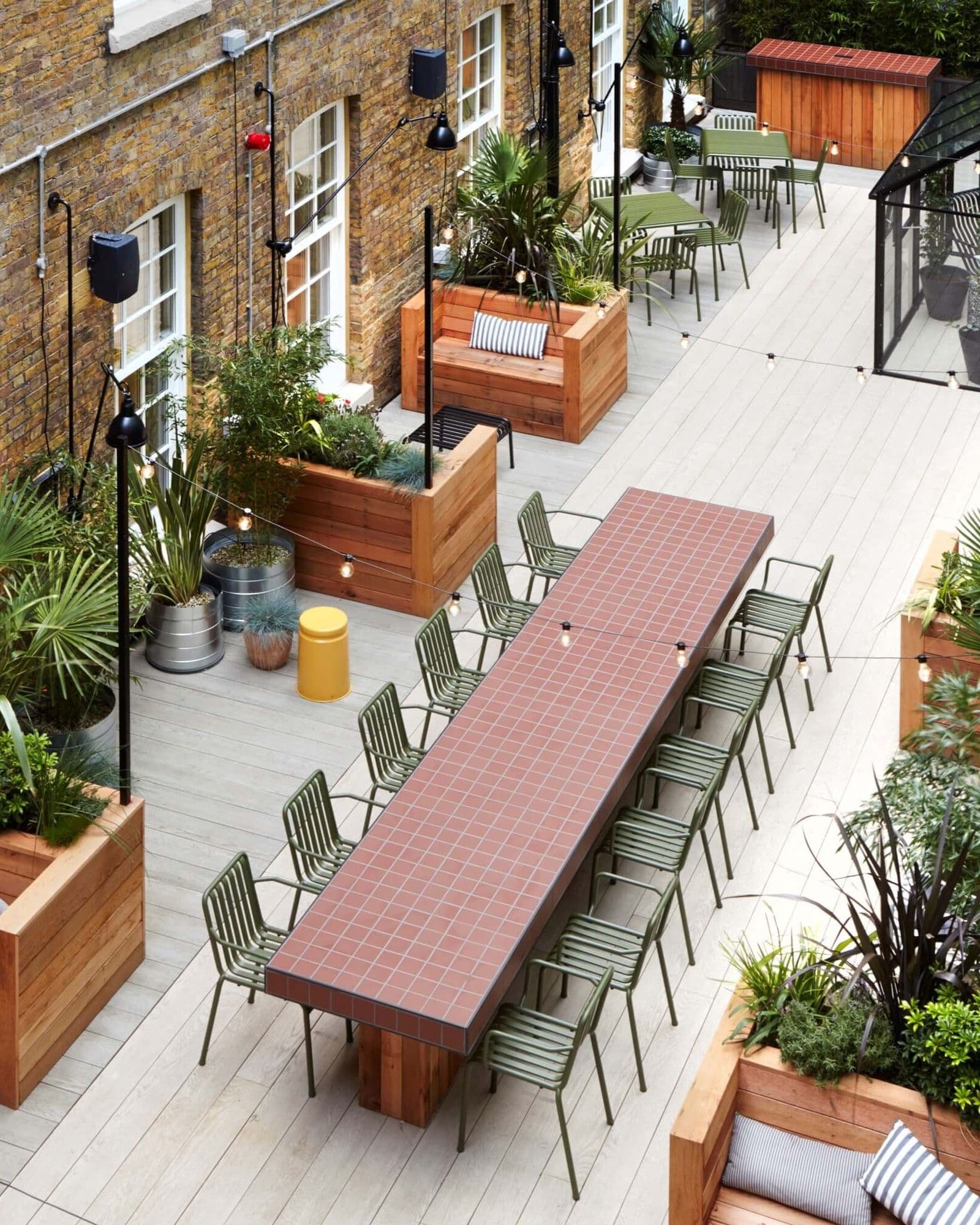
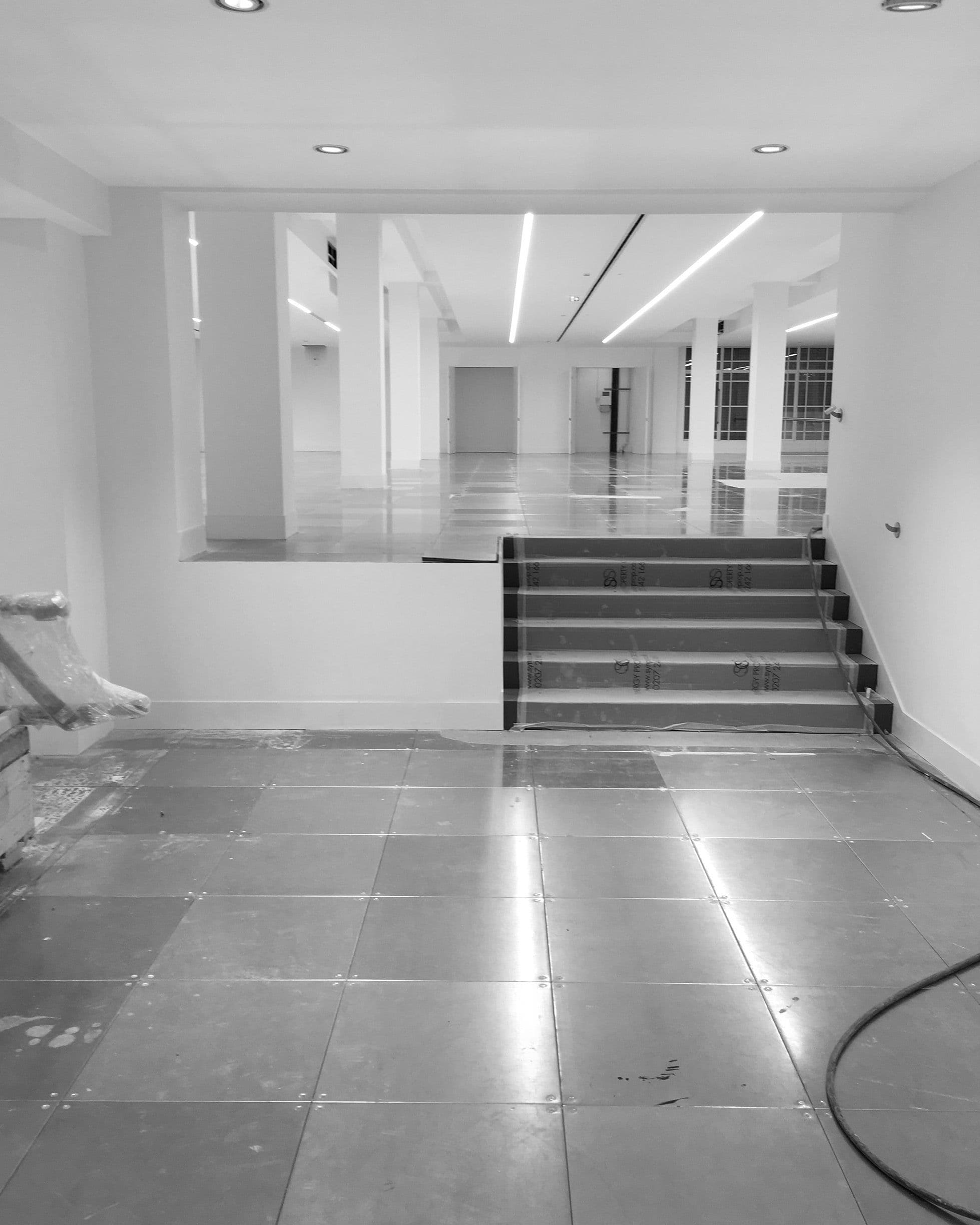
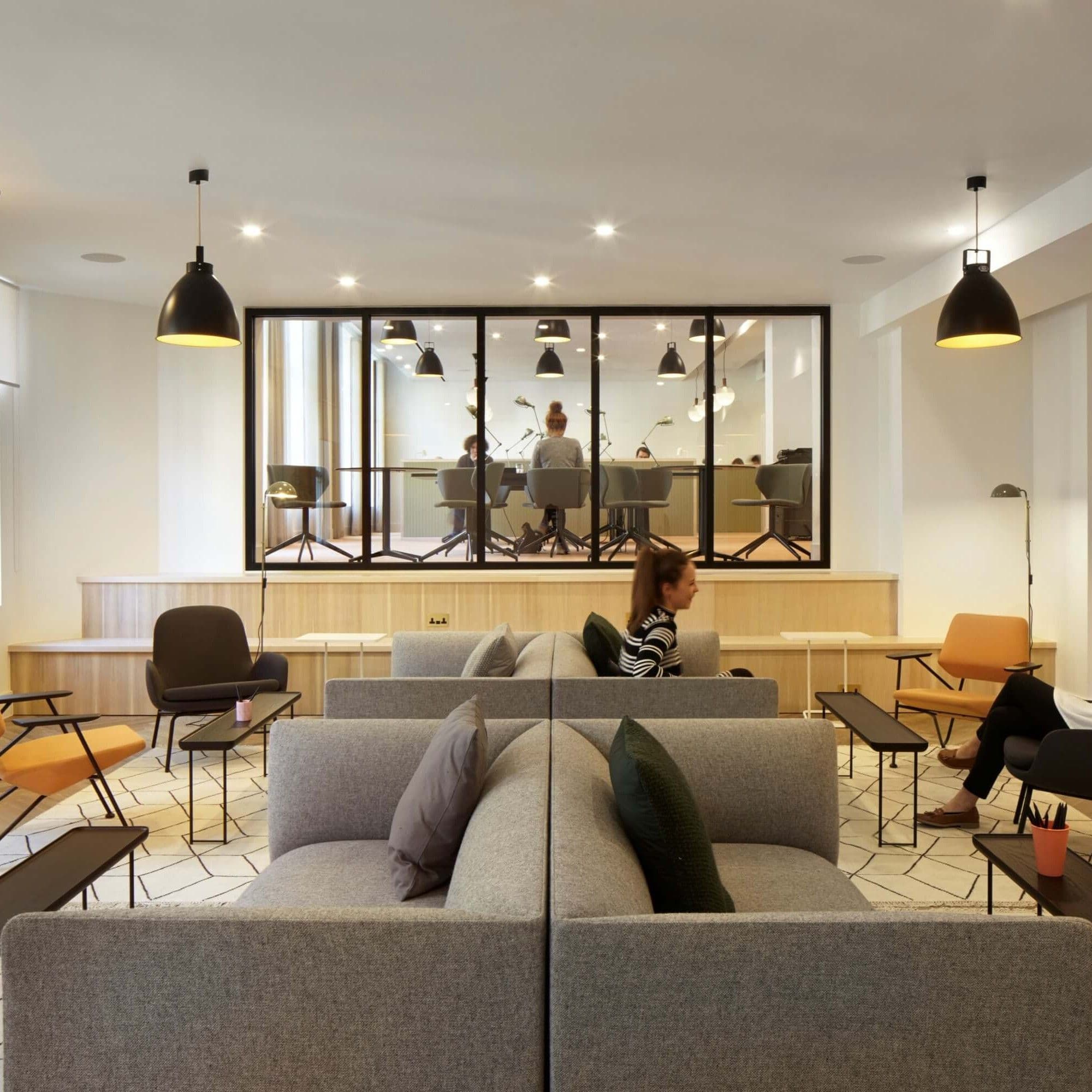
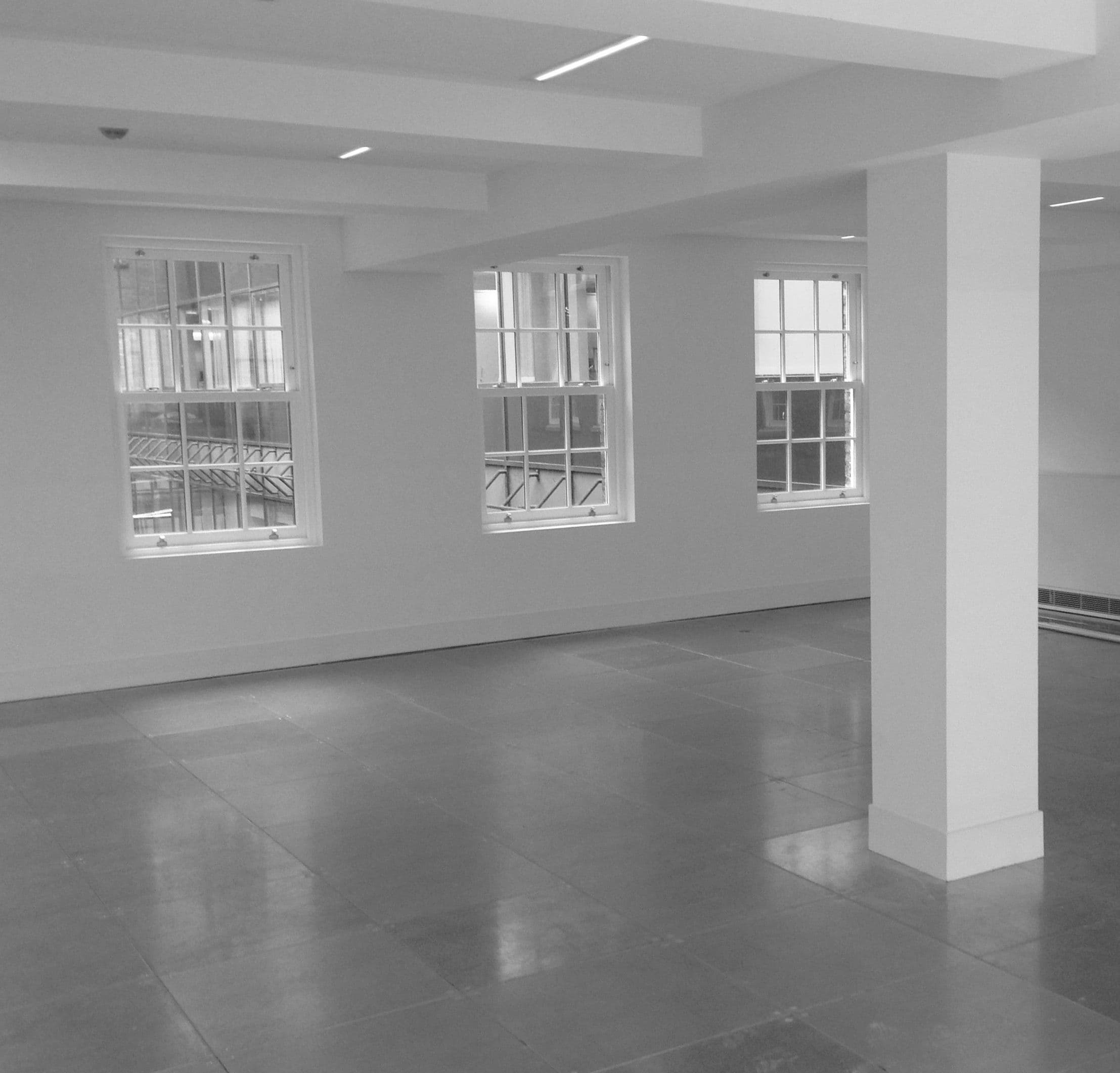
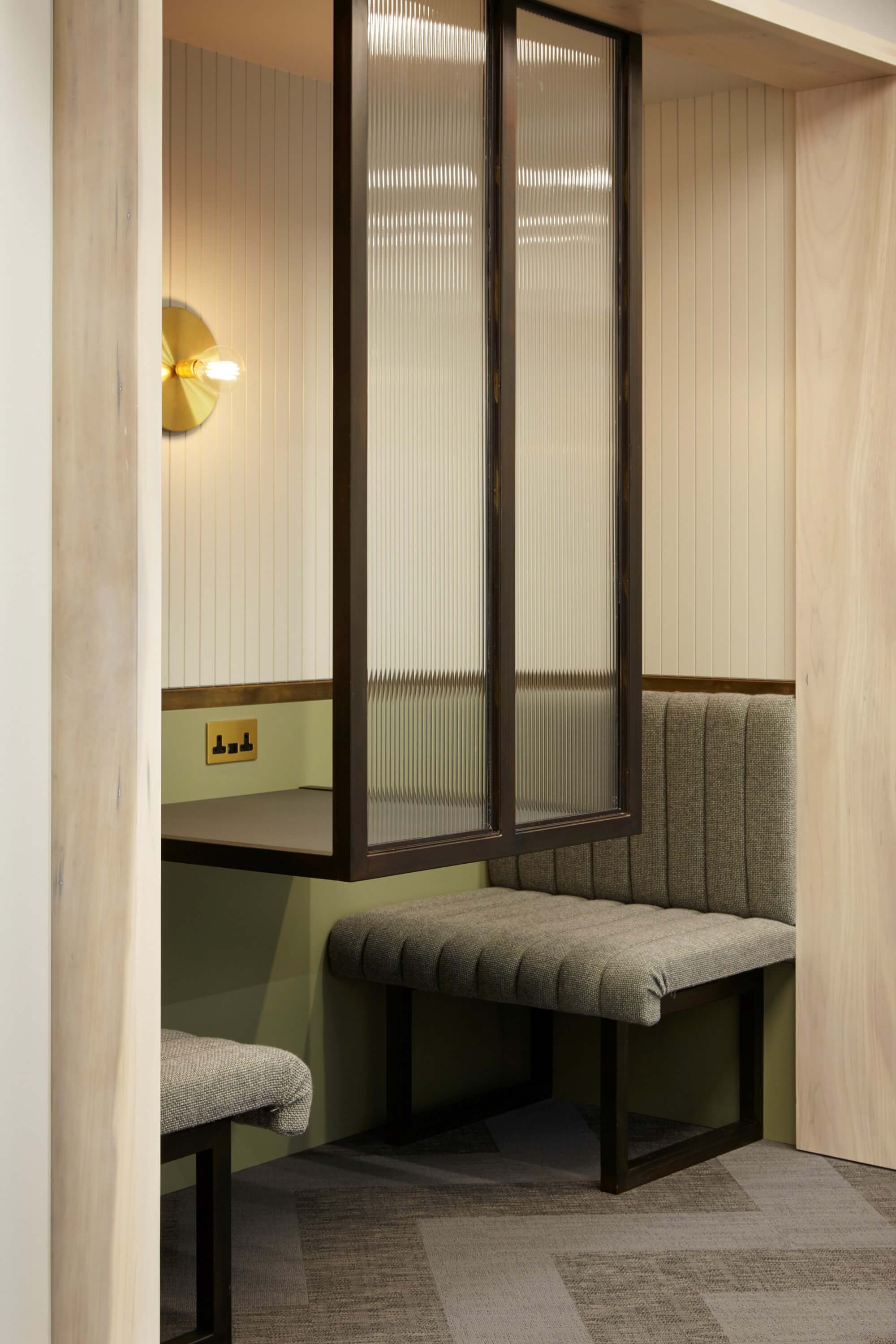
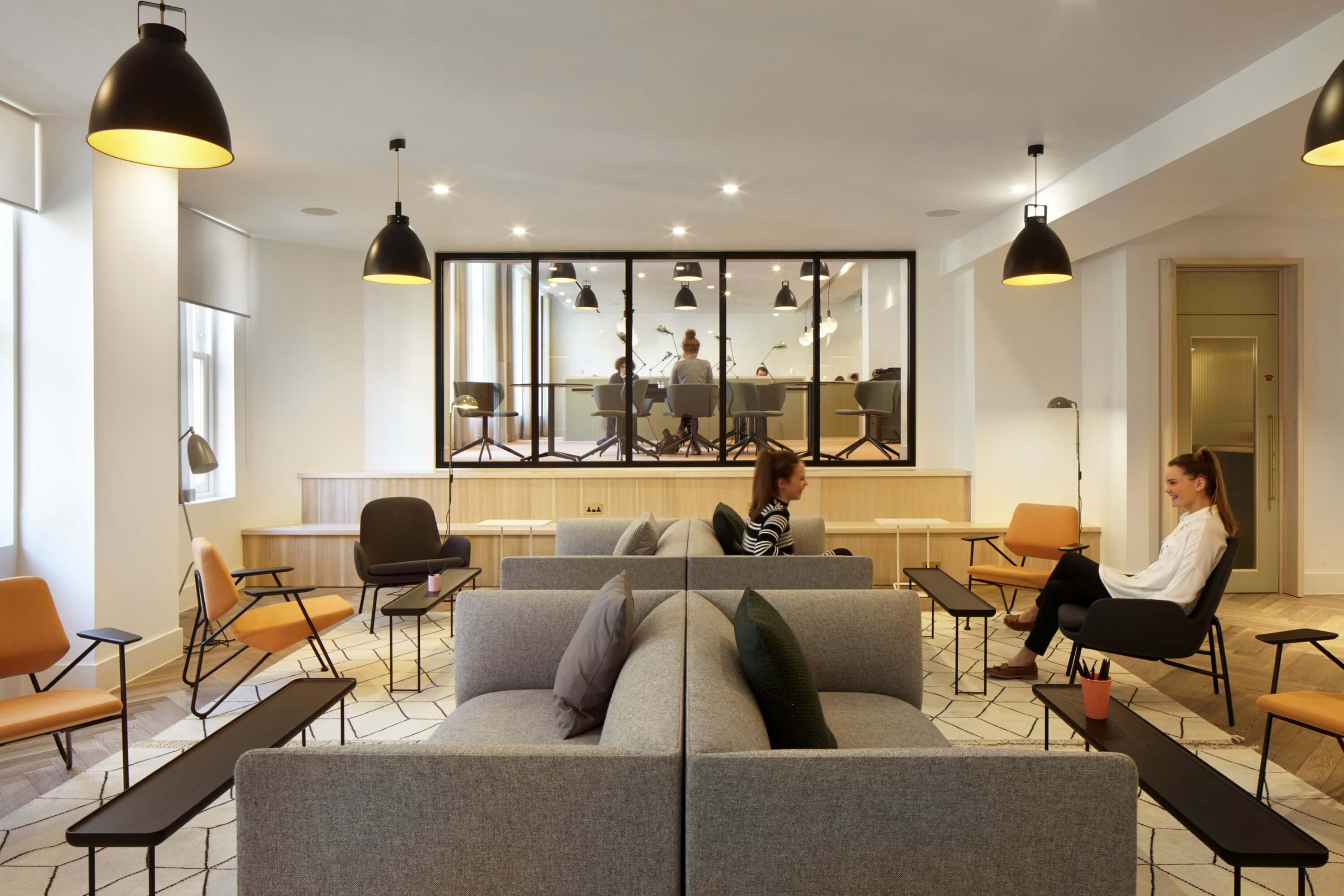
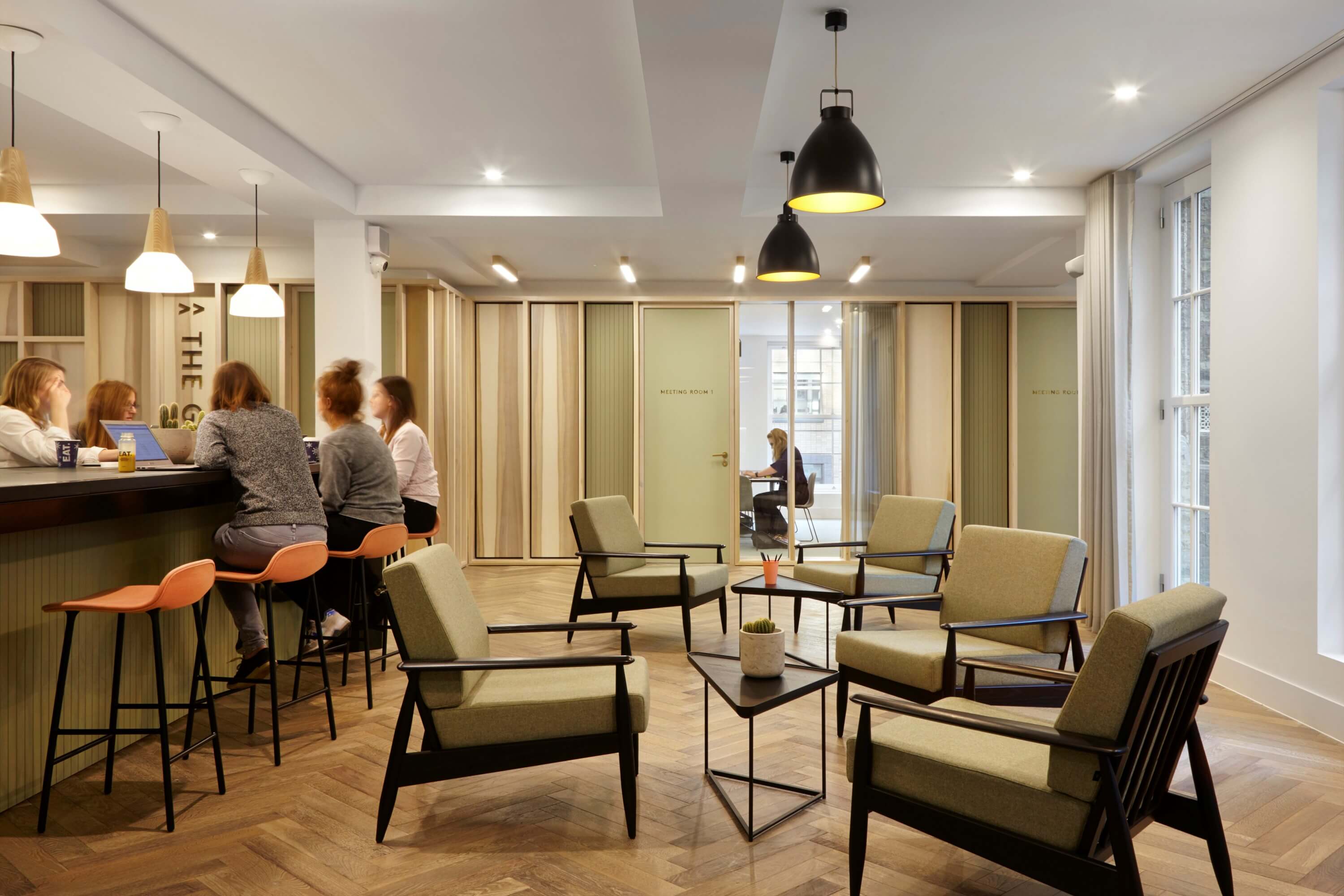
We focused on transforming the atrium into a social anchor, tying the five floors together both visually and physically. Around it, a sequence of lounges, breakout areas and shared workspaces encourages movement, chance encounters and collaboration. Members can choose between generous communal settings, semi-private study rooms, phone booths and quieter work areas, allowing the building to support different modes of working throughout the day.
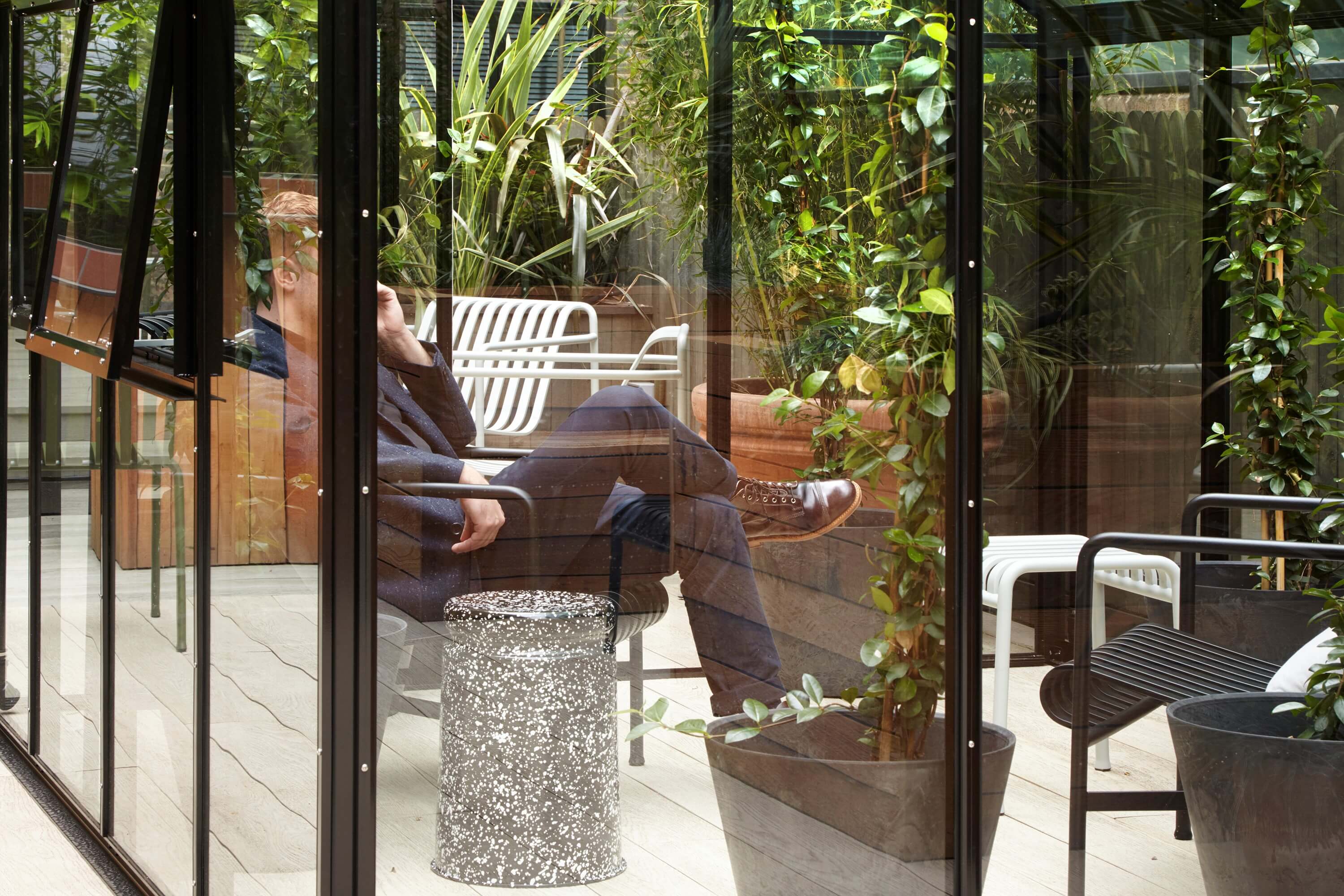
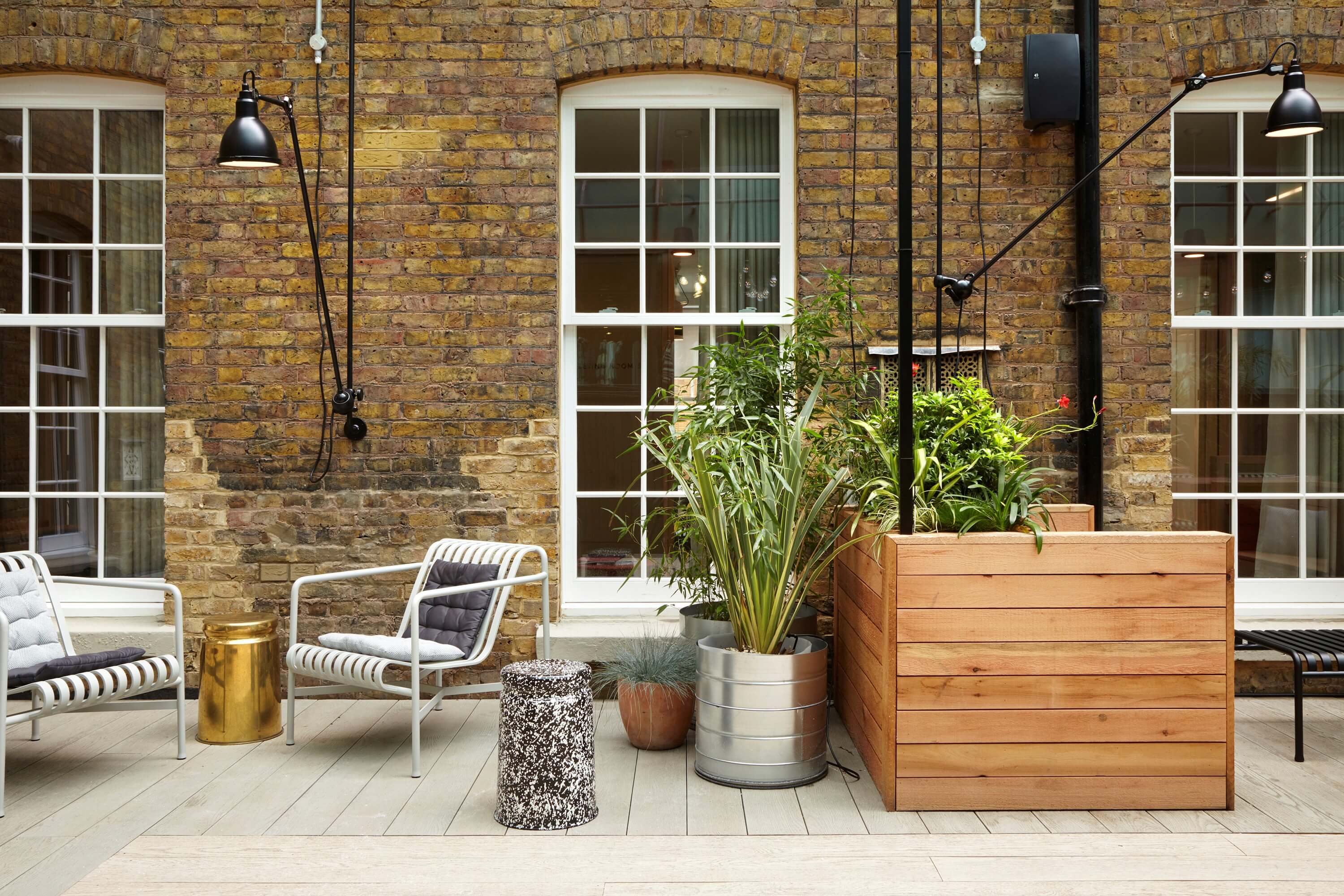
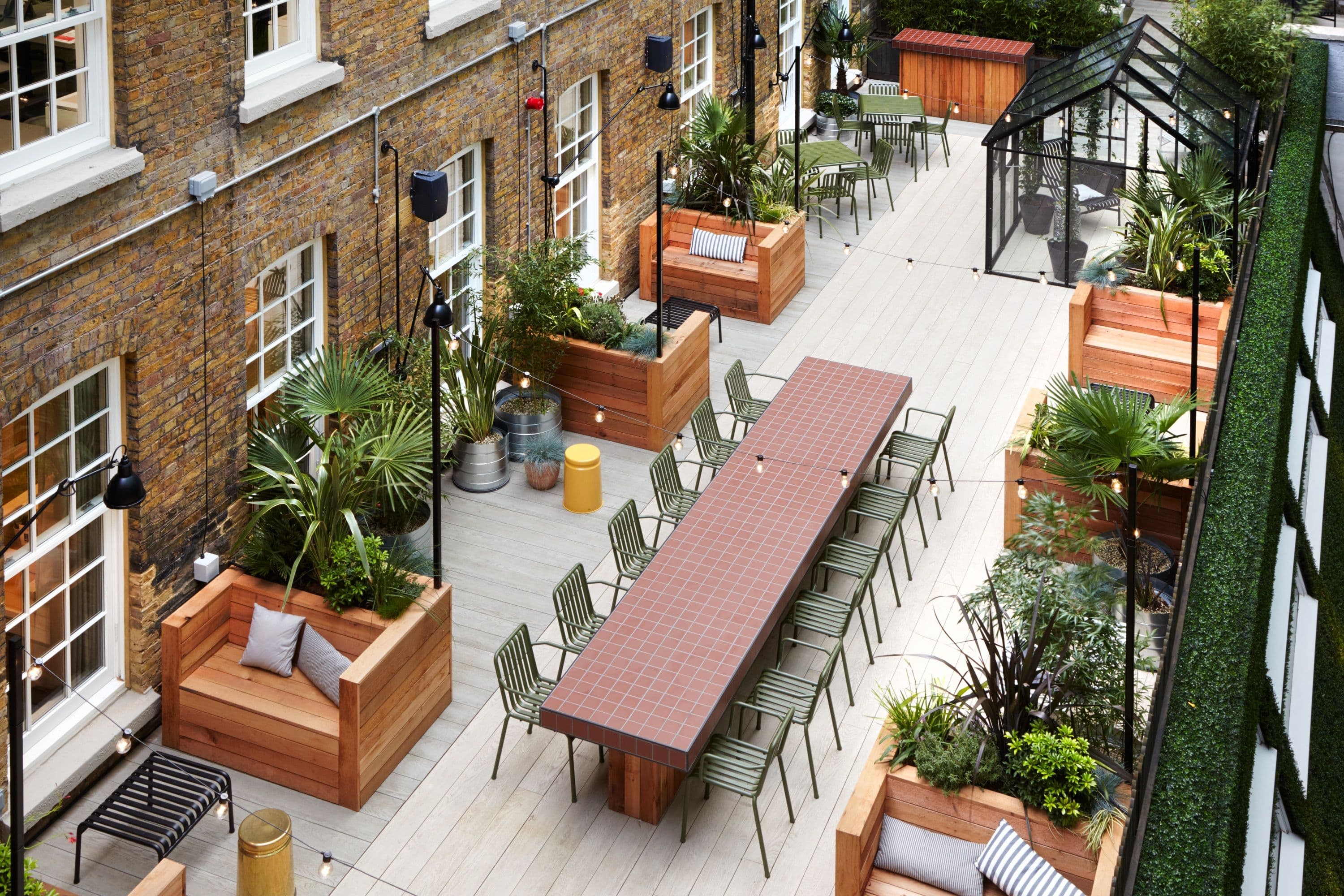
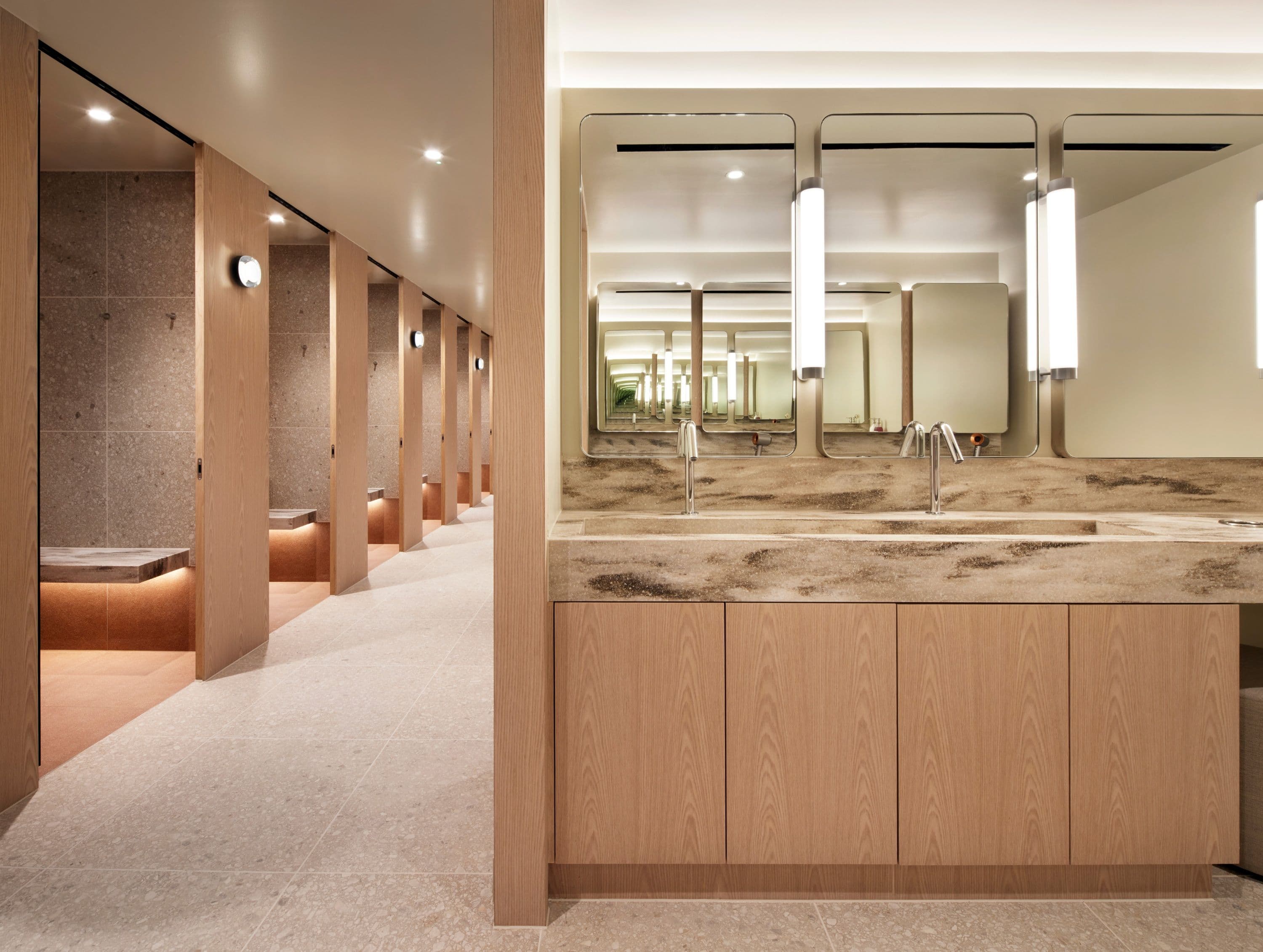
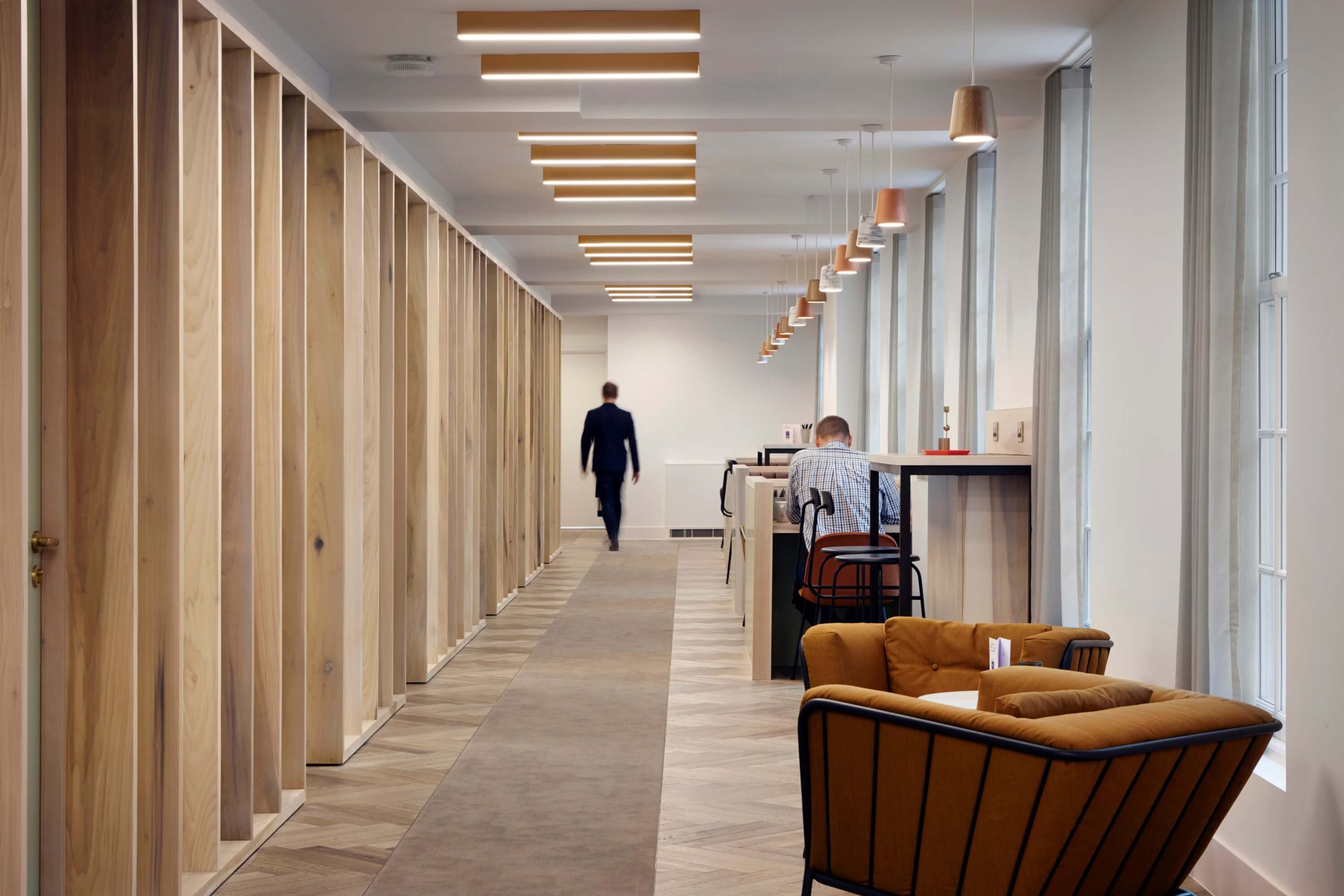
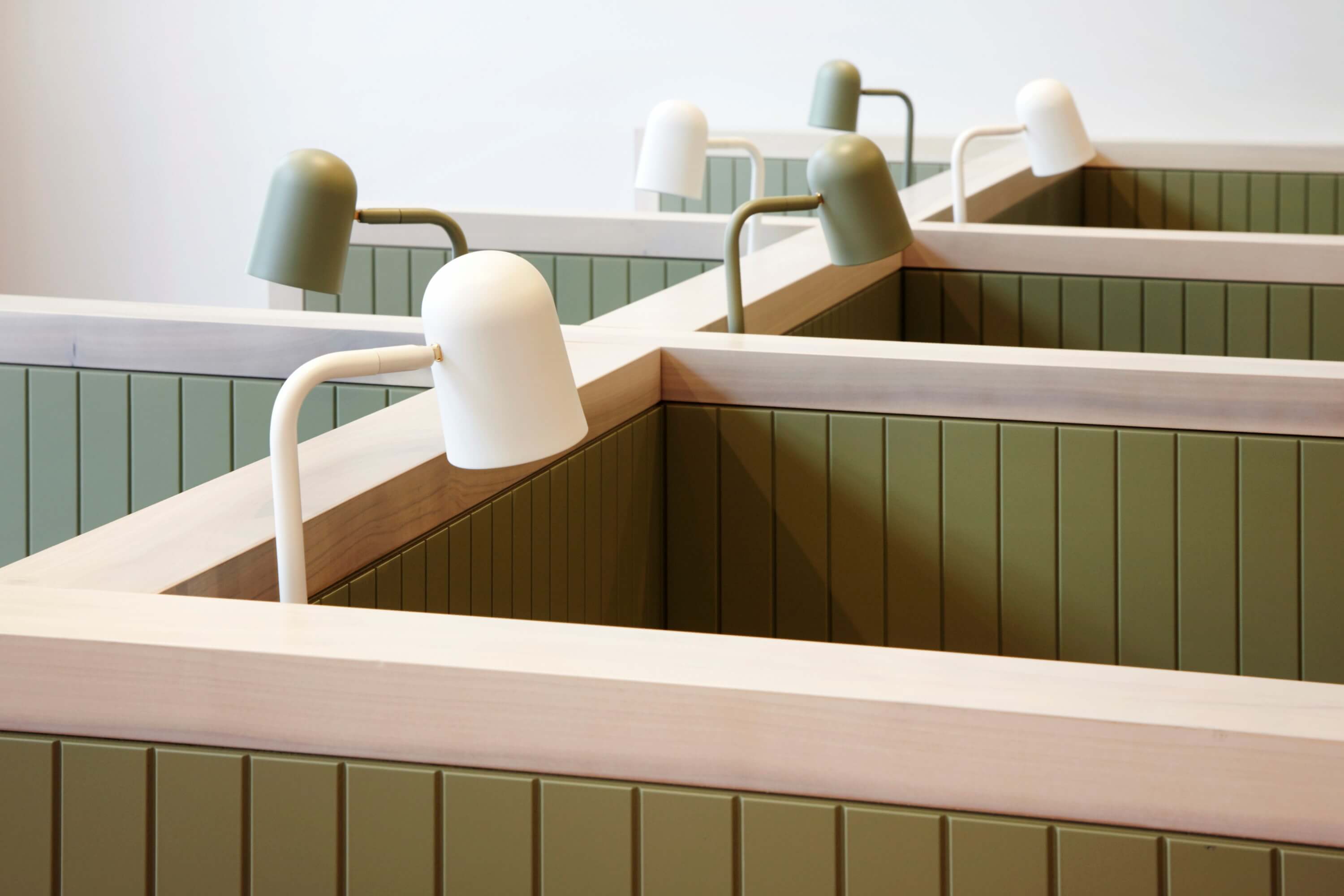
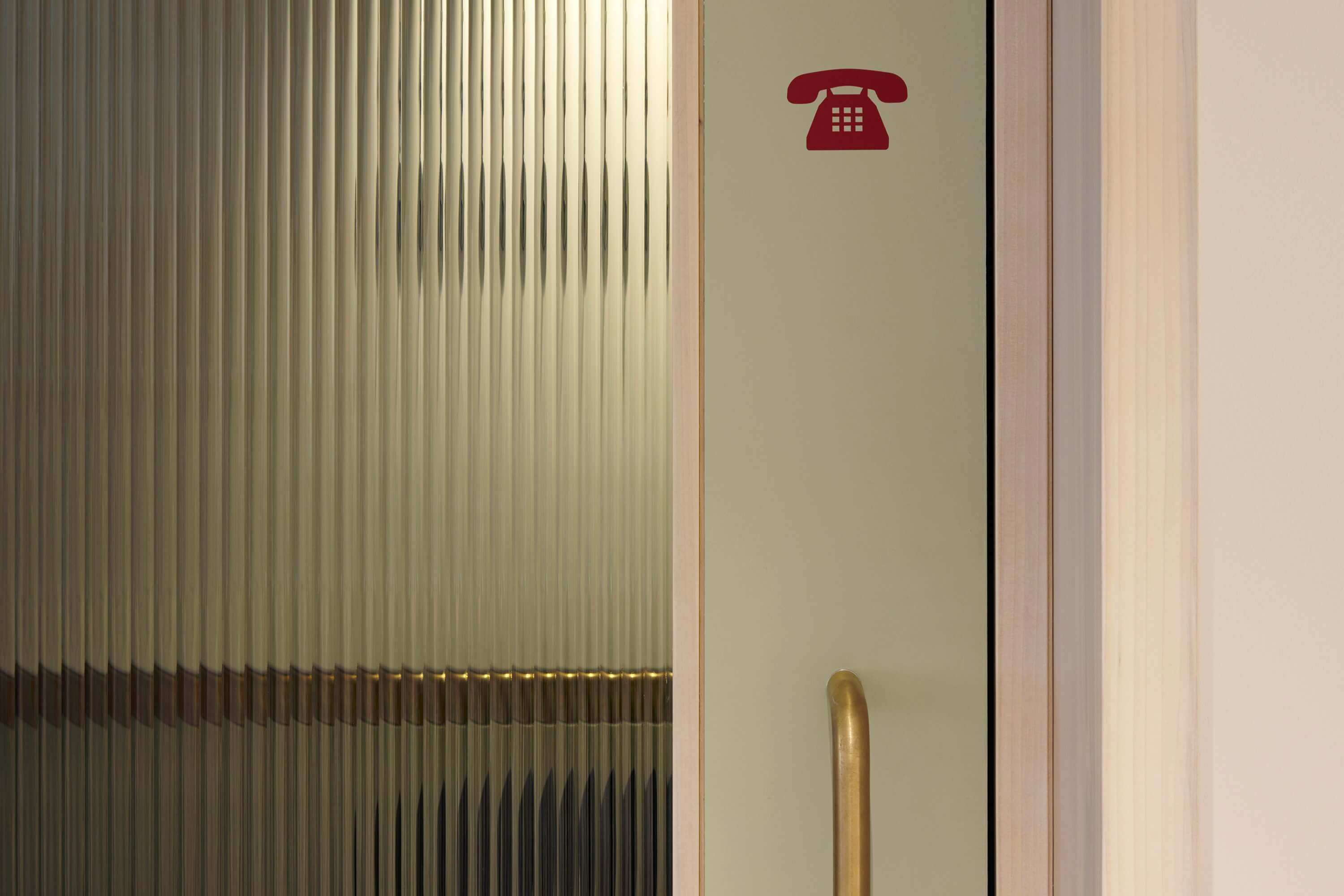
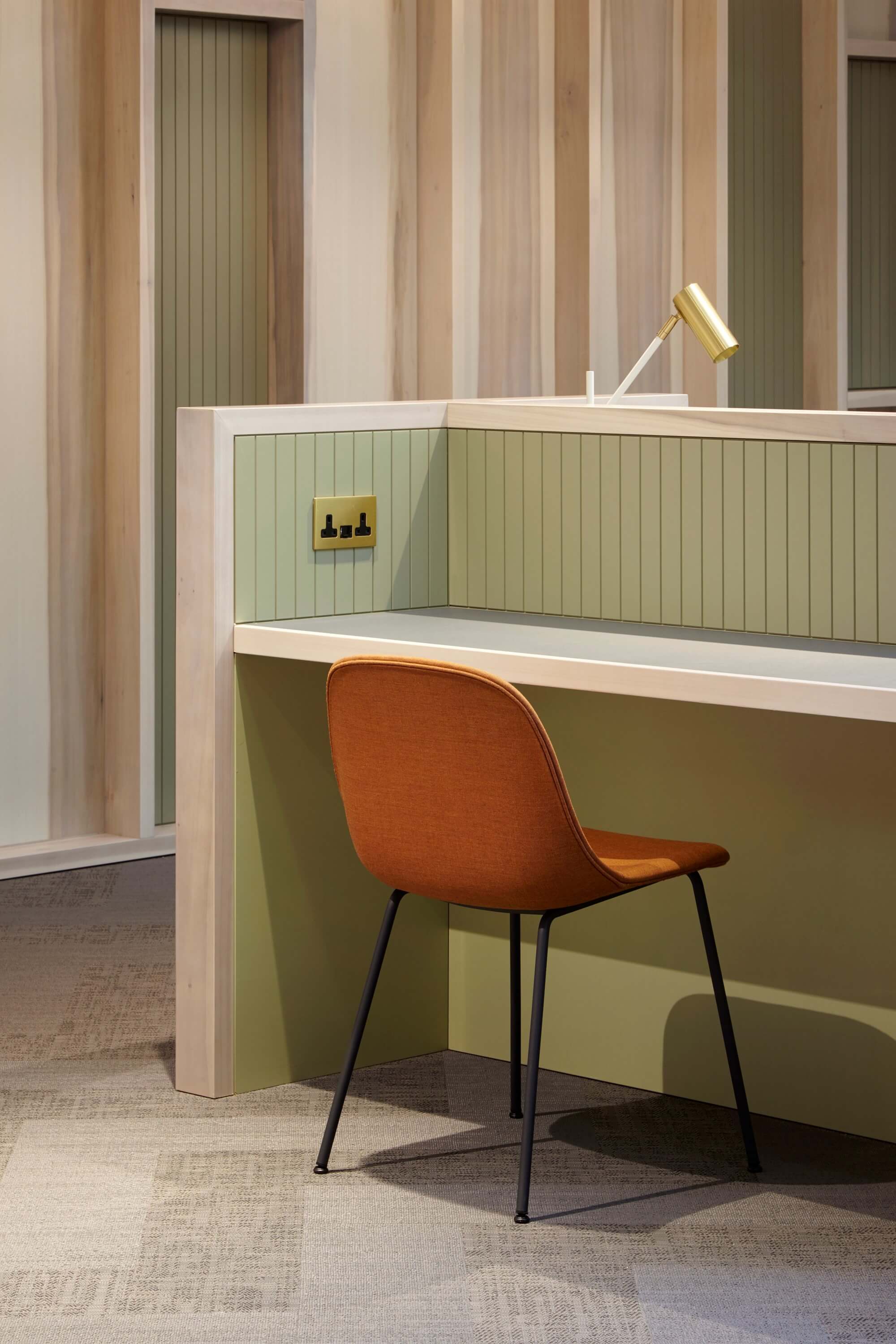
Materially, the interiors are warm, textured and deliberately varied. Ceramics, solid tulip wood, fluted glass and tarnished steel are used to create depth and tactility without overpowering the historic architecture. Corridors are treated as active spaces rather than secondary spaces, accommodating booths for calls, meetings and quiet work. Greenery-filled gardens on the second floor and roof extend working life outdoors, while carefully detailed finishes ensure the spaces feel robust, welcoming and designed to endure.