In this Q&A, Jonny and Isobel discuss the principles guiding dMFK’s residential and mixed-use work, from creating places with a strong local identity to addressing the challenges of brownfield development and heritage constraints, while ensuring every project enhances community life and long-term sustainability.
What do you think architects and developers should prioritise to create successful new neighbourhoods?
“Our design approach centres around eight key pillars: context, identity, connectivity, public space, sustainability, accessibility, materiality, and a well-considered mix of ground-floor uses. Creating new neighbourhoods is about fostering community, social interaction and improving quality of life. The best developments actively engage with local people to understand what would bring them together and enrich the area.”
Jonny Wong, Director at dMFK
“You often see new developments with empty commercial units at ground-floor level. High rents and low footfall—due to unoccupied homes—can deter businesses from leasing, and often they end up being converted into flats, only for the neighbourhood to need retail months later. Engaging with local business and creating meanwhile uses can help schemes adapt with the evolving neighbourhood.”
Isobel Eaton, Associate at dMFK
What design challenges are involved in developing brownfield sites in London?
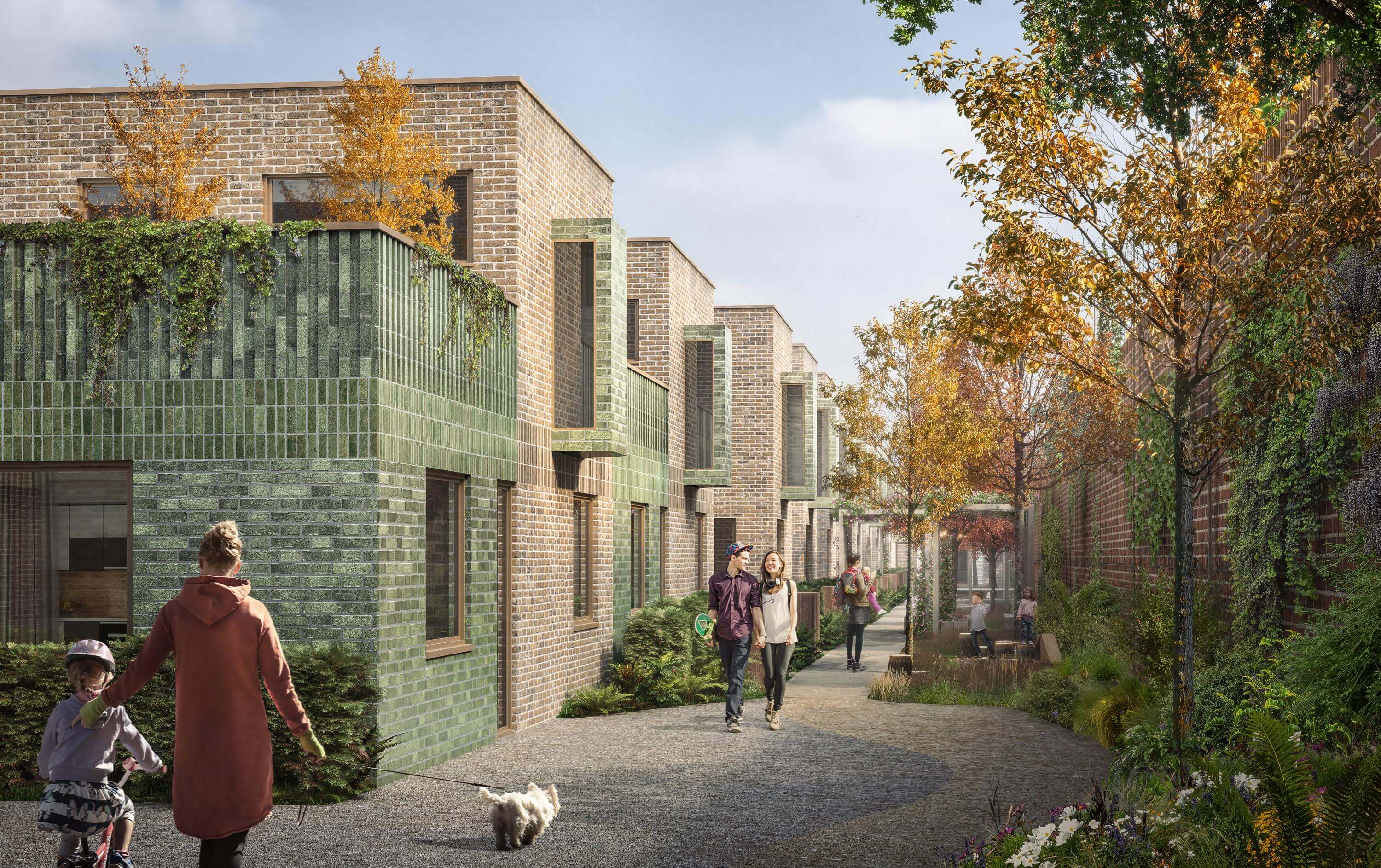
“Delivering high-quality developments on brownfield land can be challenging, as not every site has the local infrastructure to support the levels of density that can be achieved. There is a fine balance between delivering housing targets and creating what’s right for existing communities. This is evidenced by the strong opposition many of these schemes face during the planning process. Any new development should be designed to enhance the area, not drain its resources.”
Jonny Wong, Director at dMFK
“Achieving high-quality design and community support is the biggest challenge. Good architects think outside the box and consider new approaches to meet these demands. For some sites, alternative models such as co-living and build-to-rent may be more appropriate than the conventional market mix of one-, two-, and three-bedroom flats – particularly in areas where this standard provision is already plentiful.”
Isobel Eaton, Associate at dMFK
How do you unlock the potential of sites with heritage constraints?
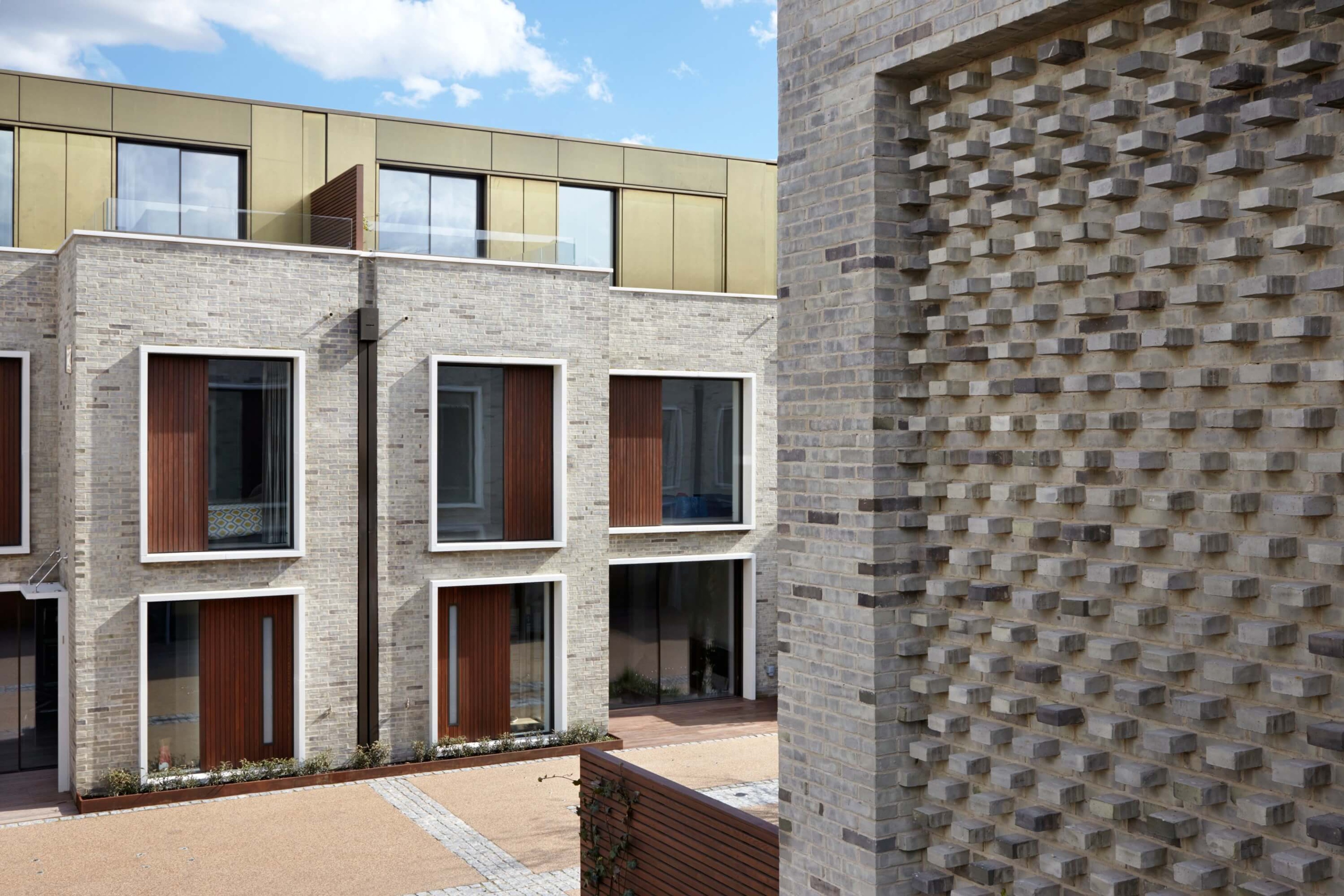
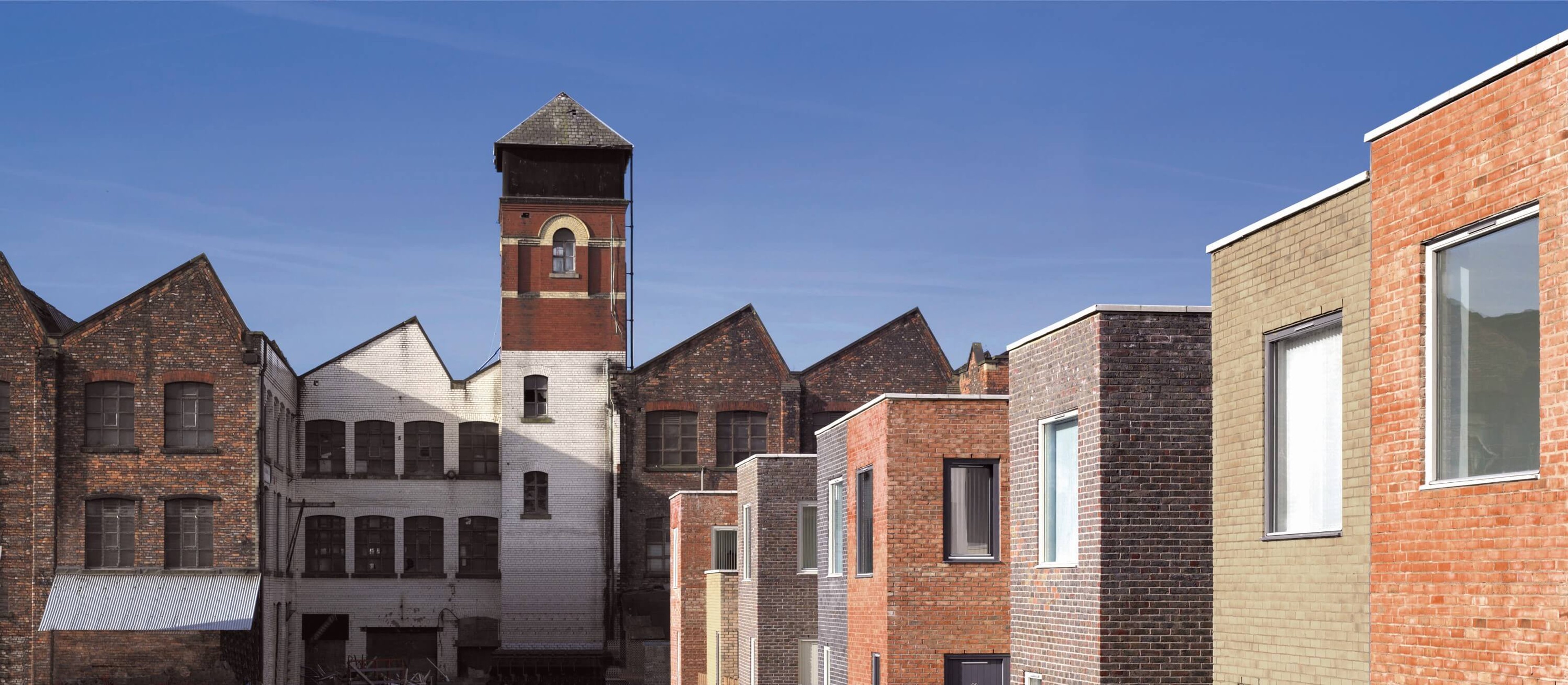
“dMFK has always worked in and around existing buildings. Even when local heritage sits outside the red line boundary, they can act as an anchor piece. Having that social and cultural history is a reference point to help us create more cohesive communities. When it comes to conservation projects, our aim is to give buildings a new lease of life – whether that’s through adaptive reuse or fabric improvements. The worst thing you can do is let historic buildings crumble until they’re past the point of repair.”
Isobel Eaton, Associate at dMFK
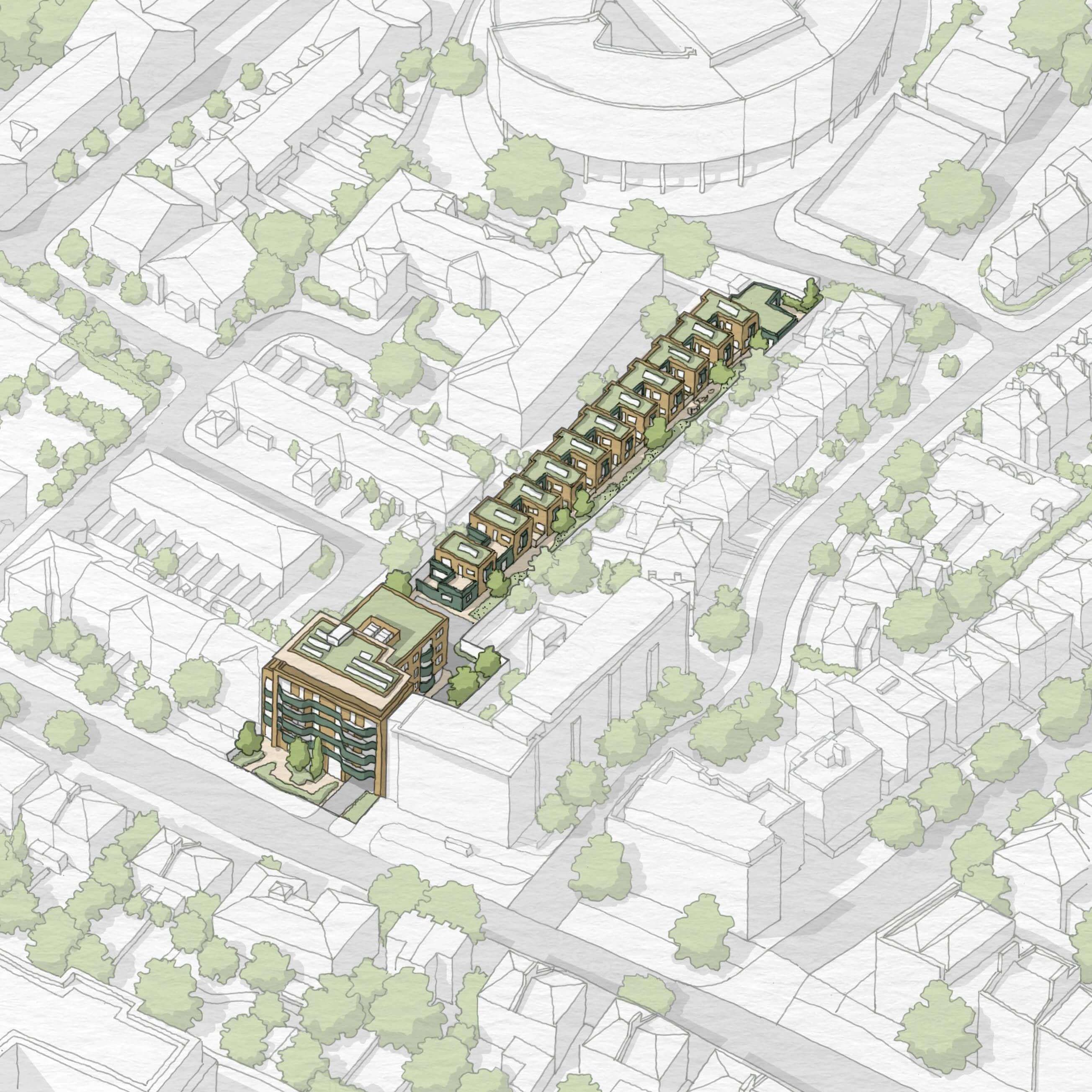
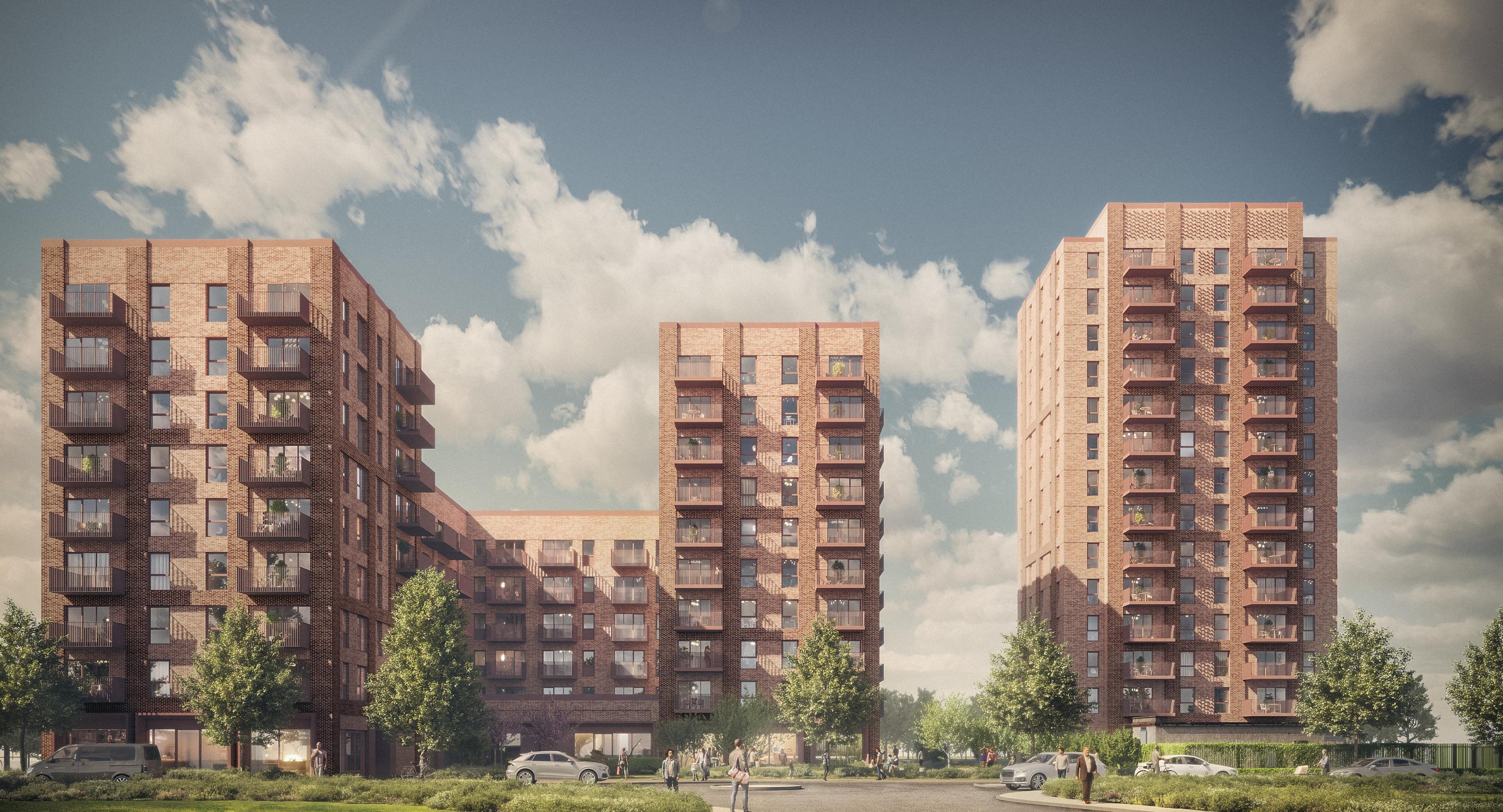
“Our consented proposals for Bell Green Works transform a former gasworks site in Sydenham into 262 homes, a public retail square and 780 sqm of commercial space. In order to shape a neighbourhood that feels coherent, we focused on placemaking, the spaces between our buildings and the proportions and materials of the buildings themselves—creating a new public realm that could enhance the setting of the much-loved Grade II Livesey Hall next to the site.”
Jonny Wong, Director at dMFK
What strategies can be utilised to create a sense of place?
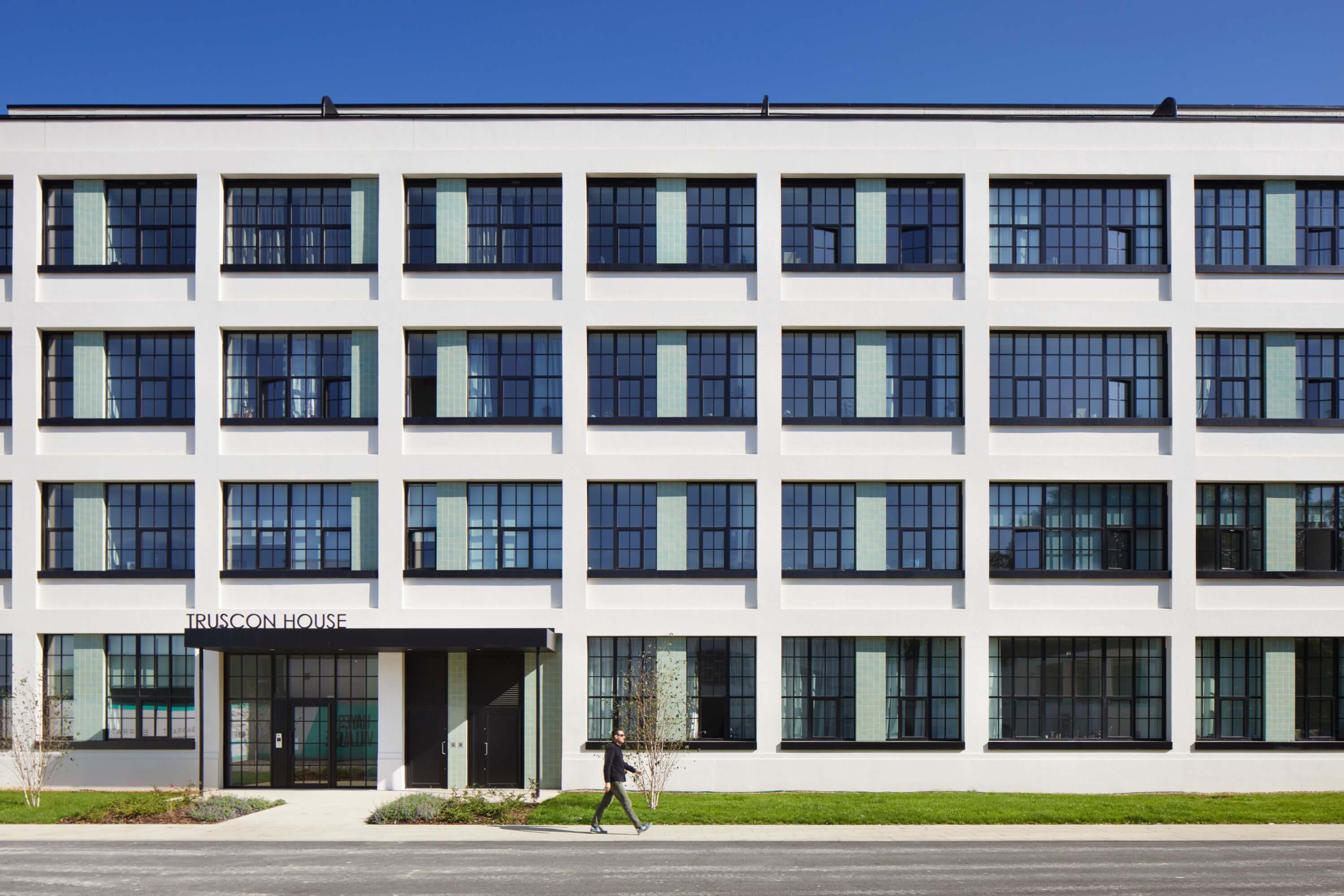
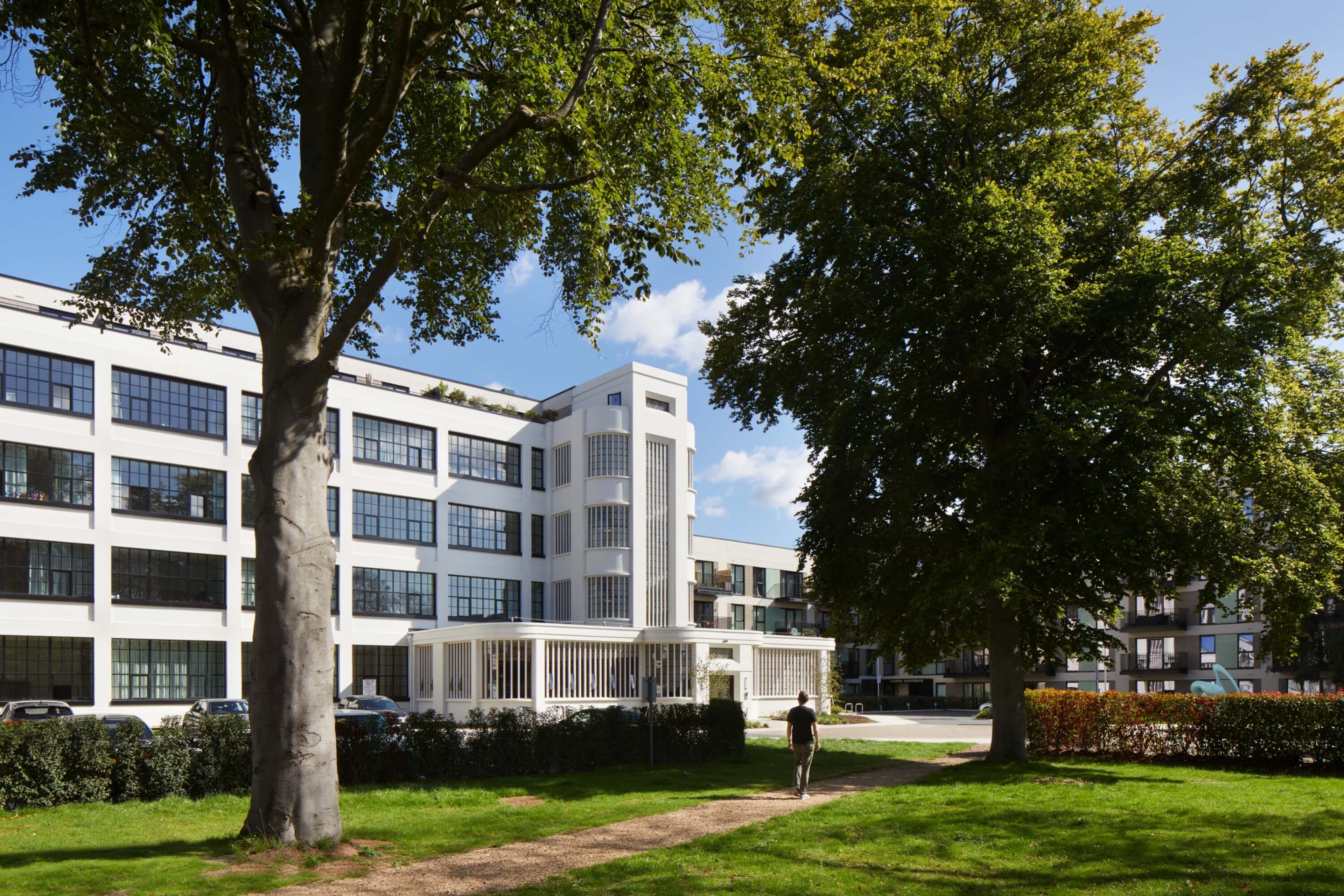
“We design all our schemes with a gift to the local community. For example, our regeneration of the Former Nestle Factory brought back to life an iconic piece of Hayes history that residents knew and loved; many had worked in the factory before it closed in 2012. The completed design restored the 100x100m Wallis Gardens and opened them to the public, introduced a museum, created a tree-lined route from local streets to the canal, and made a 6km running trail around the site for all to enjoy.”
Jonny Wong, Director at dMFK
How would you describe your personal approach to designing homes?
“I love designing homes because it’s all about the human experience – the scale and feel of a space. It’s about shaping key moments in someone’s day, whether they’re heading out to the supermarket or returning home from work. What’s it like as they enter the lobby, how do they identify their front door, where do their kids play? It’s about making those experiences as accessible, attractive and enjoyable as possible to a diverse group of people – you’re never designing for one particular tenant.”
Isobel Eaton, Associate at dMFK
More News
View all
Designing Chancery House: “Like a warm hug when you go in”
Julian de Metz sits down with Dan Moscrop on That Workplace Experience Podcast
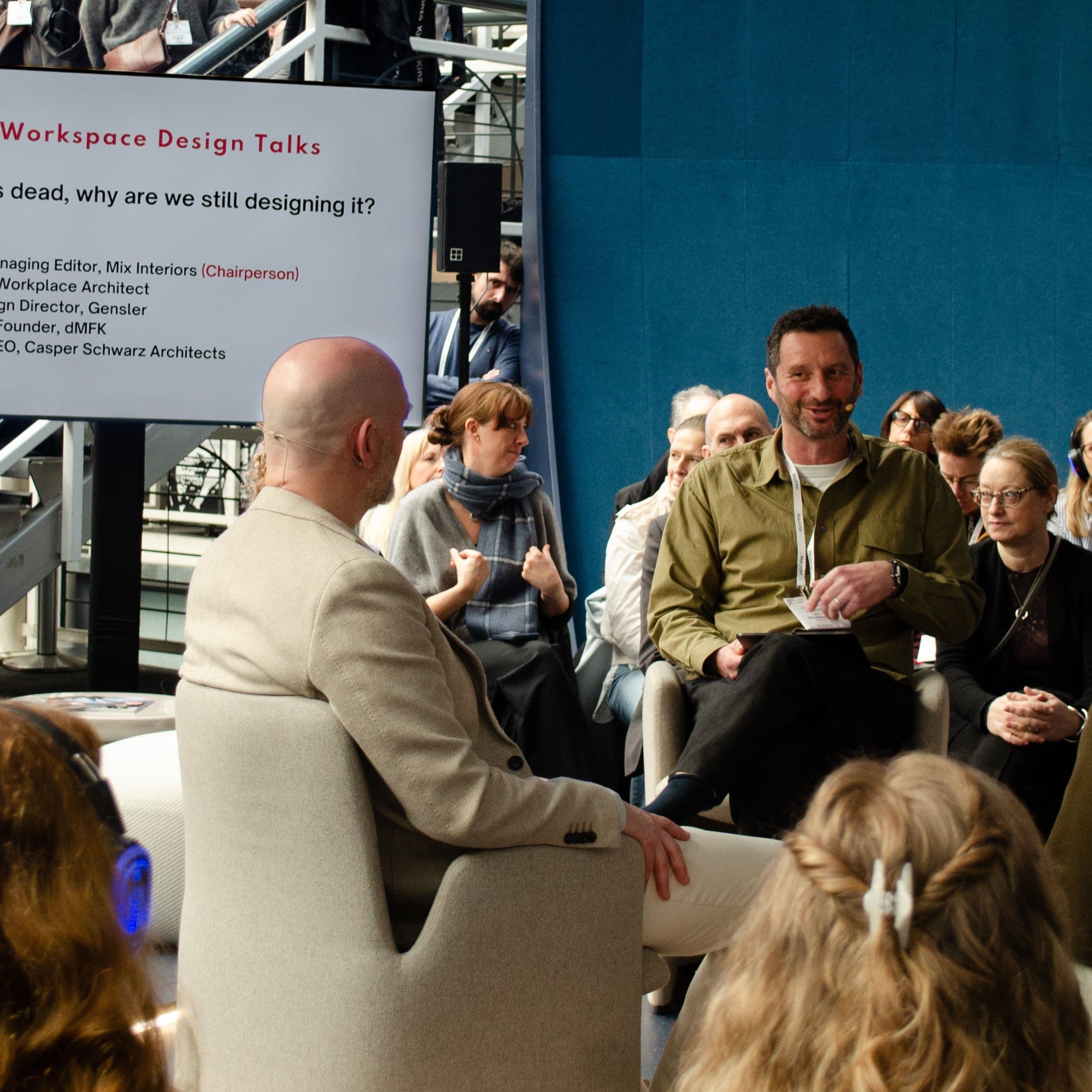
Julian de Metz features on 2026 Workspace Design Show Panel
Hosted by Mix Interiors, dMFK was joined by industry experts from Gensler, Casper Schwartz, and M Moser Architects for a panel exploring the future of the office
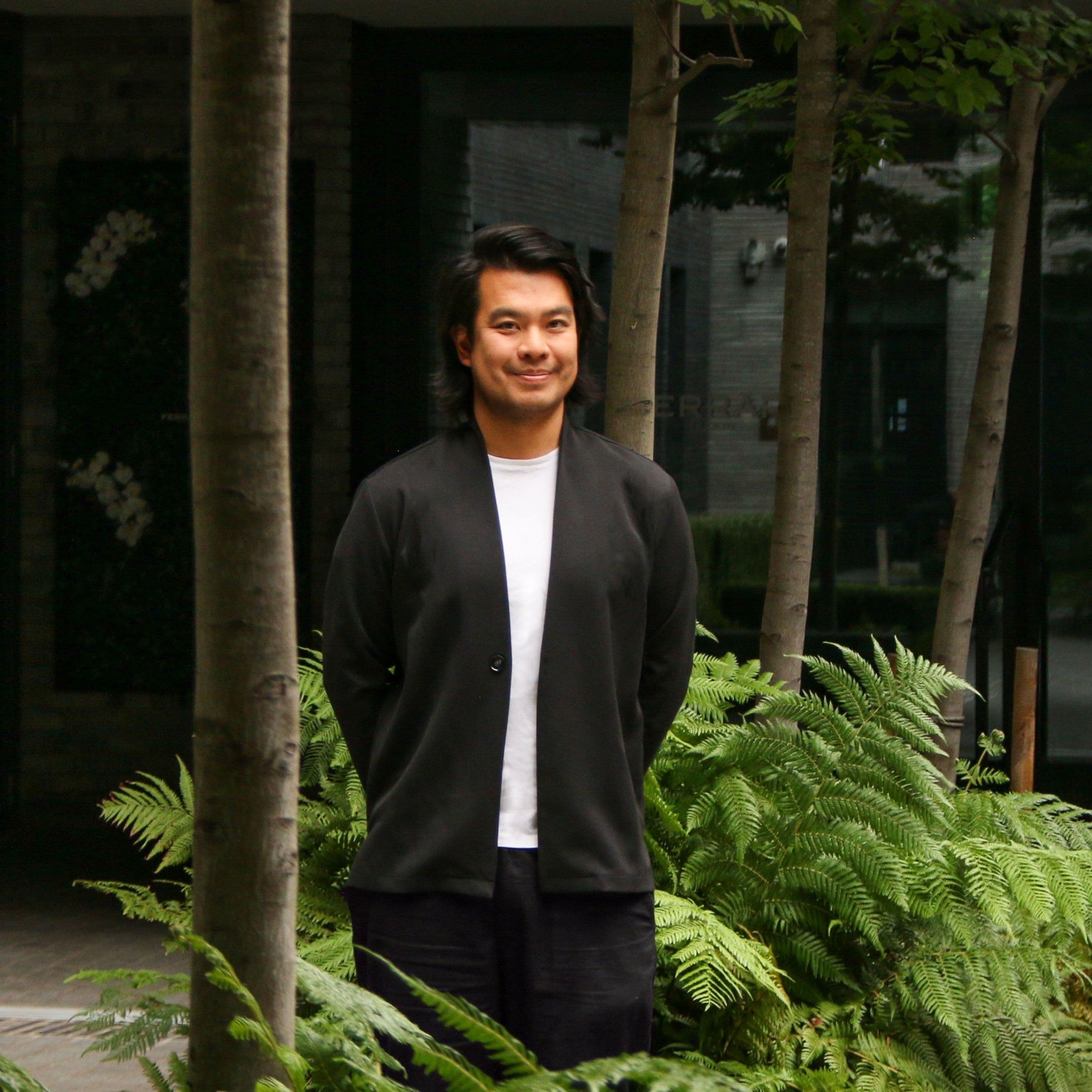
Helen Parton interviews Jonny Wong for the British Home Awards
Journalist Helen Parton sits down with dMFK Director Jonny Wong to discuss the judging process for this year's British Home Awards.
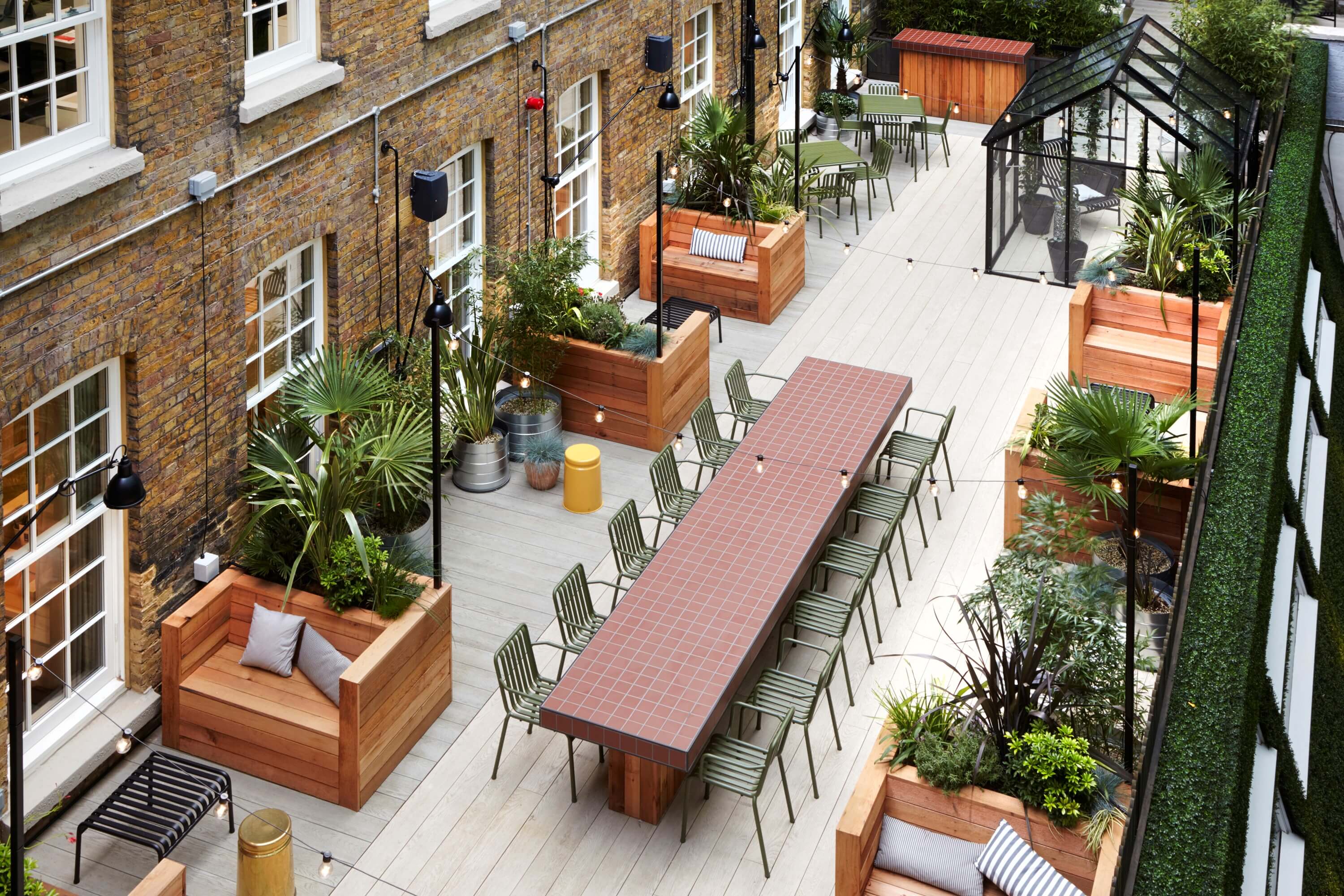
Sustainable Design: Delivering Value, Enhancing Impact
dMFK Director Ben Knight and Associate Issy Robertson sit down to discuss how dMFK’s buildings play a part in preserving our environment.