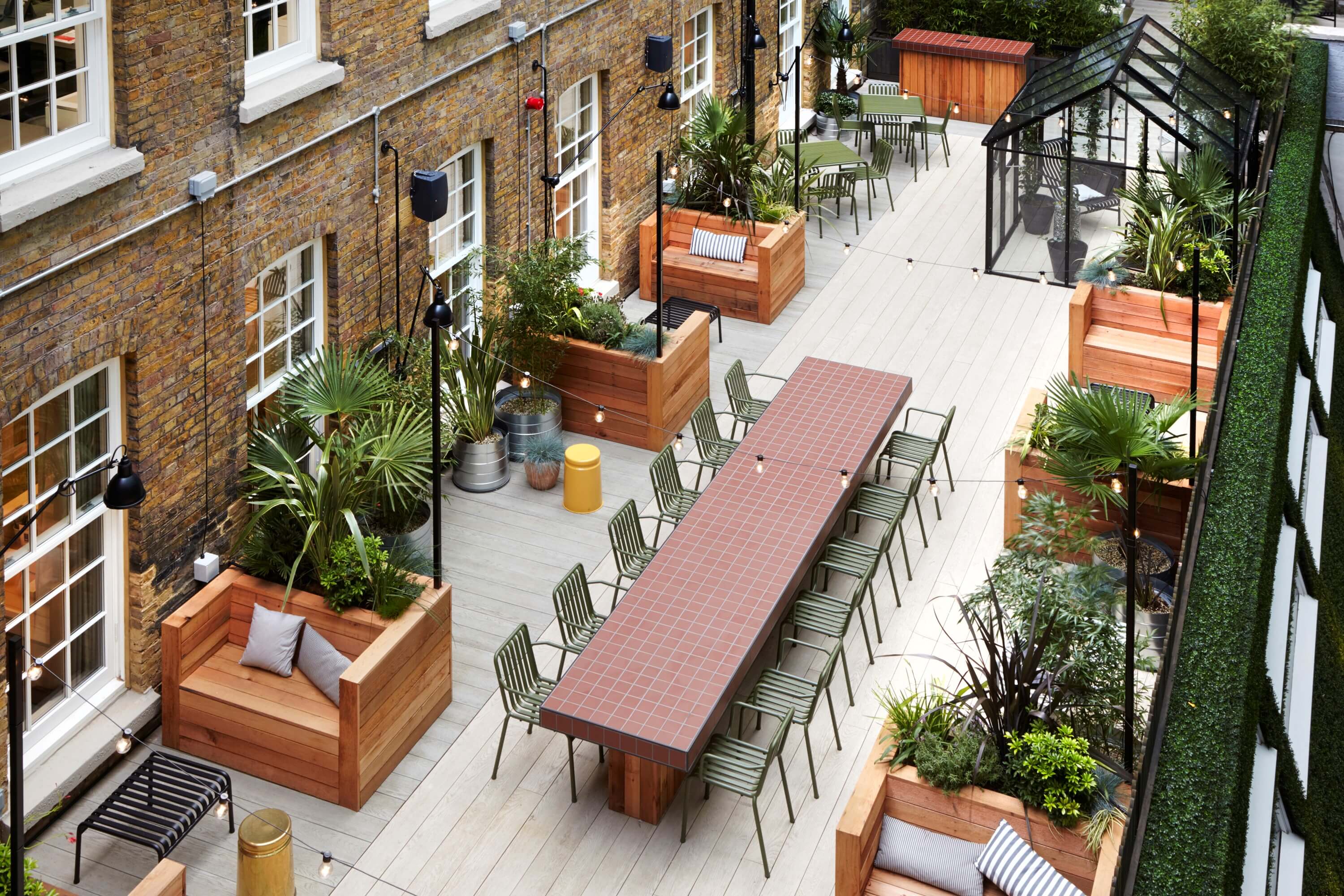
Discussing dMFK’s ‘retrofit-first’ approach, Ben and Issy explore the sustainable principles that guide dMFK’s design process, from creating places that future generations would want to live and work in, to navigating the challenges of retrofit projects, while ensuring every project retains long-term quality and commercial value.
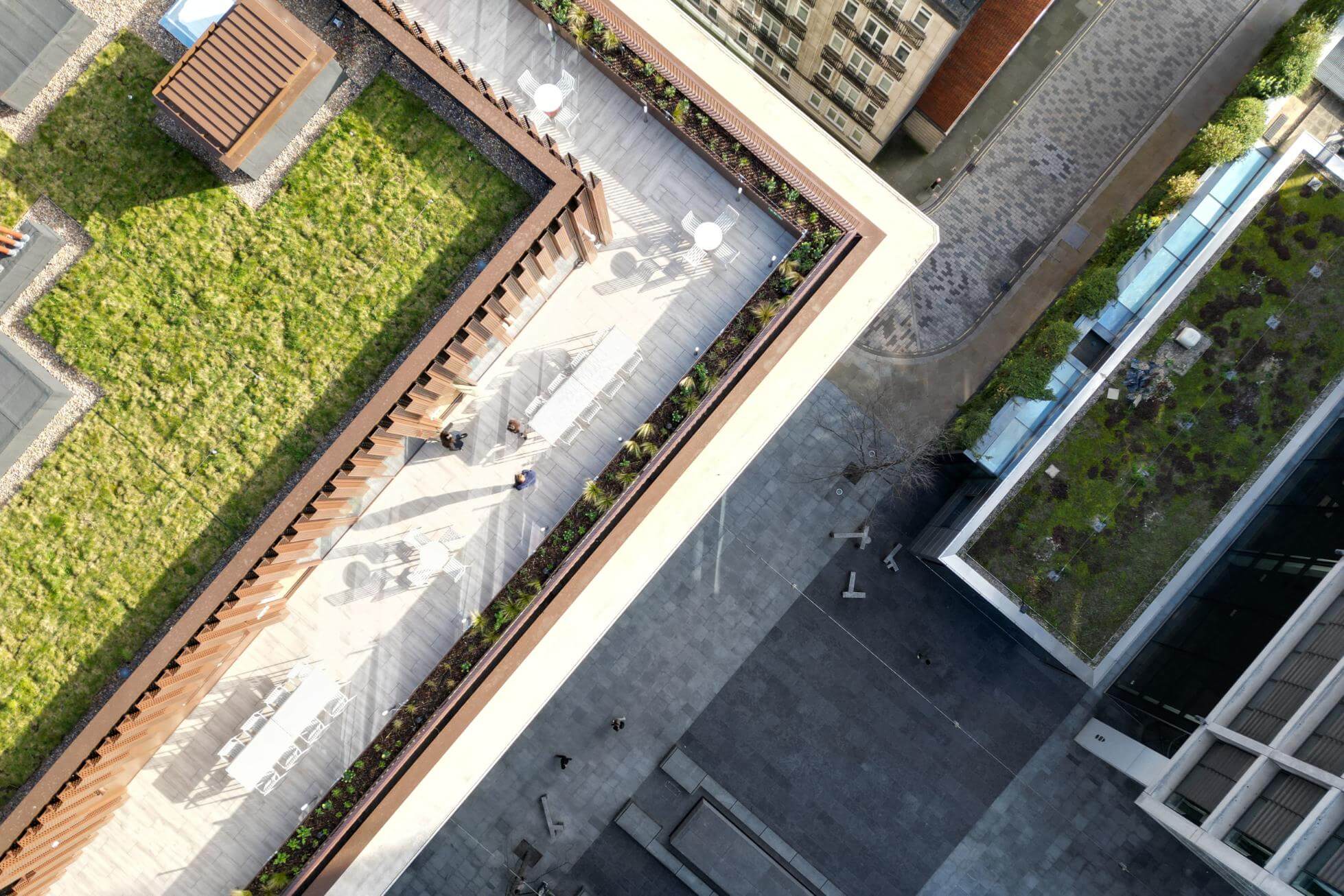
Why is it important for architects, designers, and their clients to prioritise sustainability?
“Construction makes up nearly 40% of the world’s C02 emissions; we have a responsibility to reduce our consumption as much as possible. From a commercial perspective, end users are becoming more and more conscious of their impact on the planet so there’s a real demand for sustainable office spaces. By sustainable, we’re not just talking about the EPC rating or amount of carbon that has been used - it’s also about prioritising the happiness and wellbeing of end users.”
Issy Robertson, Project Architect
"We need to secure the environment for future generations. It’s a responsibility to our children and our children’s children. As a practice, dMFK has always held that as a primary driver of what we do - hence building a strong reputation for our retrofit work. Sustainable design shouldn’t be viewed as a burden. It’s an opportunity for architects - and in turn our clients - to learn, innovate and develop exciting new ways to deliver beautiful, useful places that people want to spend time in.”
Ben Knight, Director
What challenges and opportunities do retrofit projects present in terms of sustainability?
“When you’re retrofitting a building, you have more constraints. This means we have to work a bit harder investigating the history, context and physical integrity of the structure - every building is surprisingly different, so you rarely get the same problem twice. However, this means there’s a richness and robustness to the end product. Delivering a building with longevity is key to sustainability; we want to design places that retain their quality, usefulness and commercial value in the long term.”
Ben Knight, Director
“There’s substantial embodied energy savings associated with repurposing existing buildings compared to demolition and rebuild. Ensuring that every site is analysed for retrofit viability is therefore a huge opportunity in terms of sustainability.”
Issy Robertson, Project Architect
How do you balance the aesthetic requirements of a building with its environmental performance?
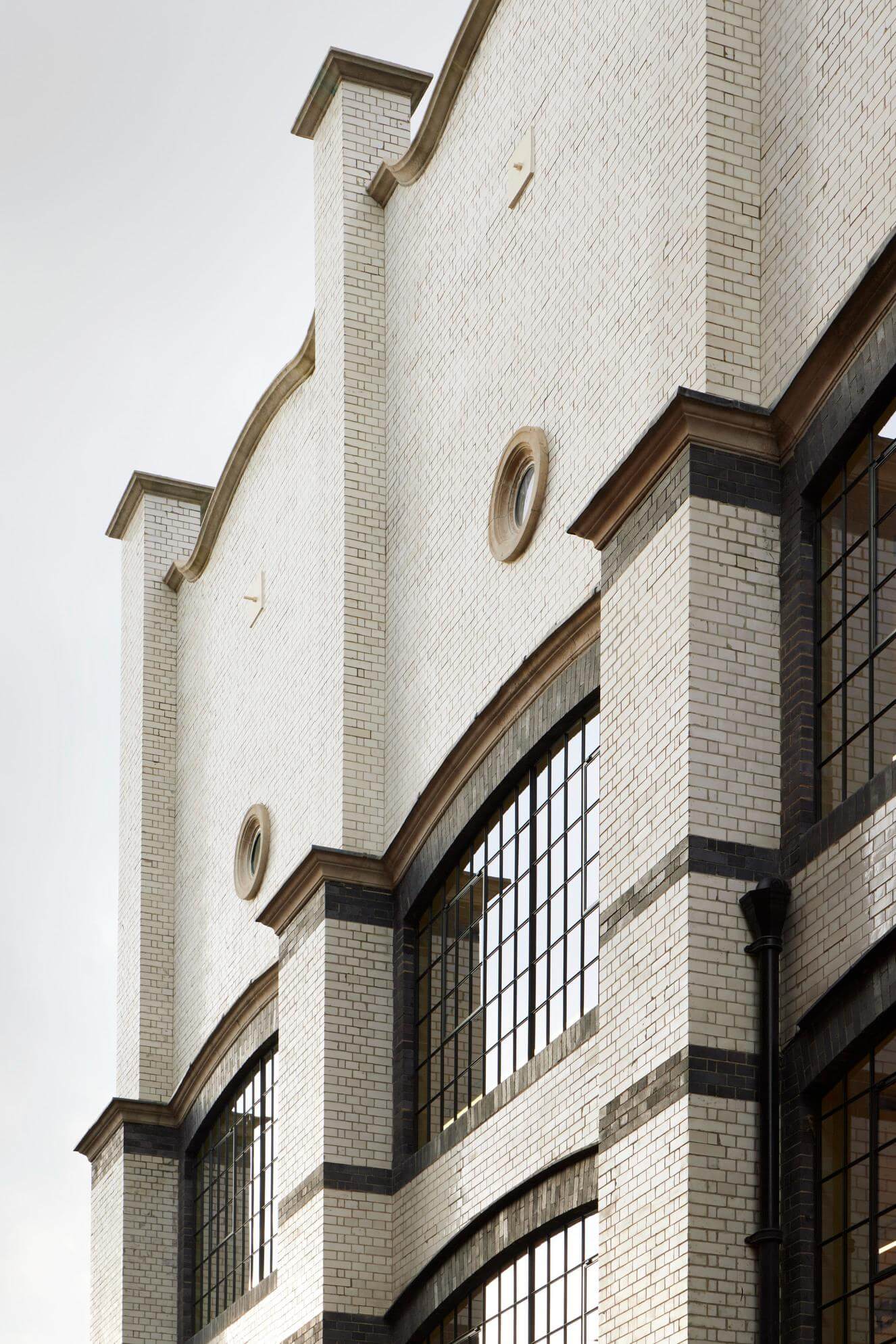
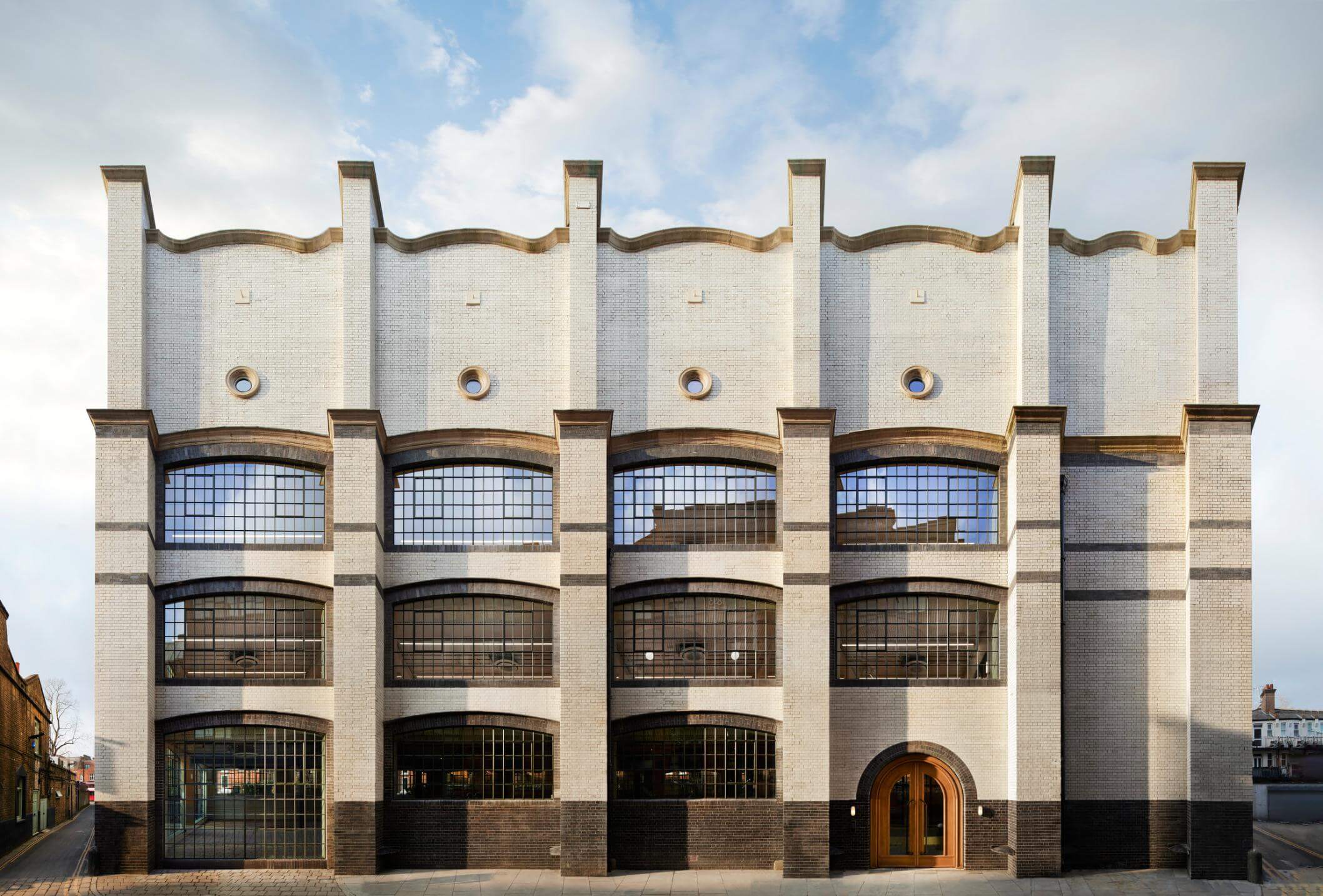
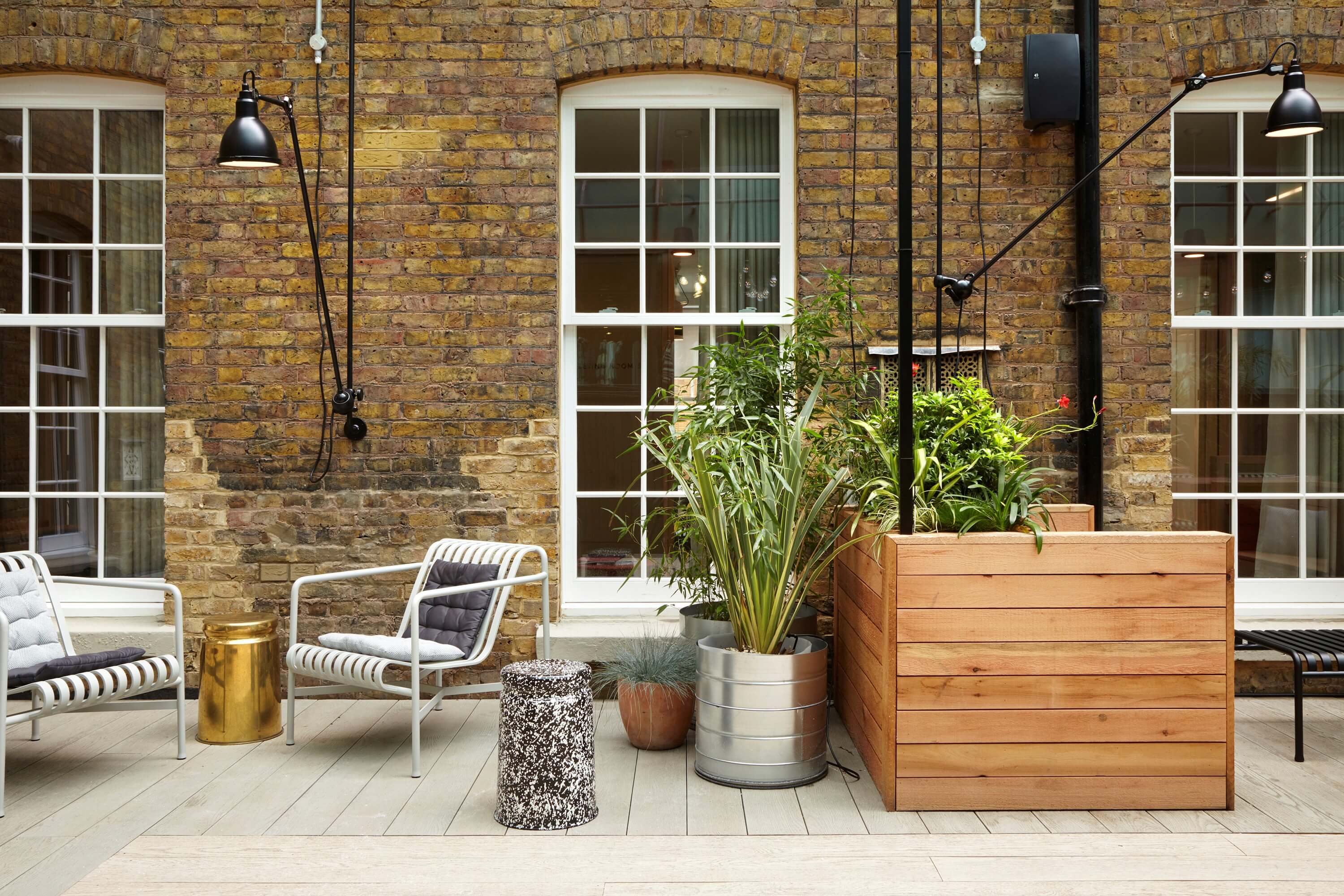
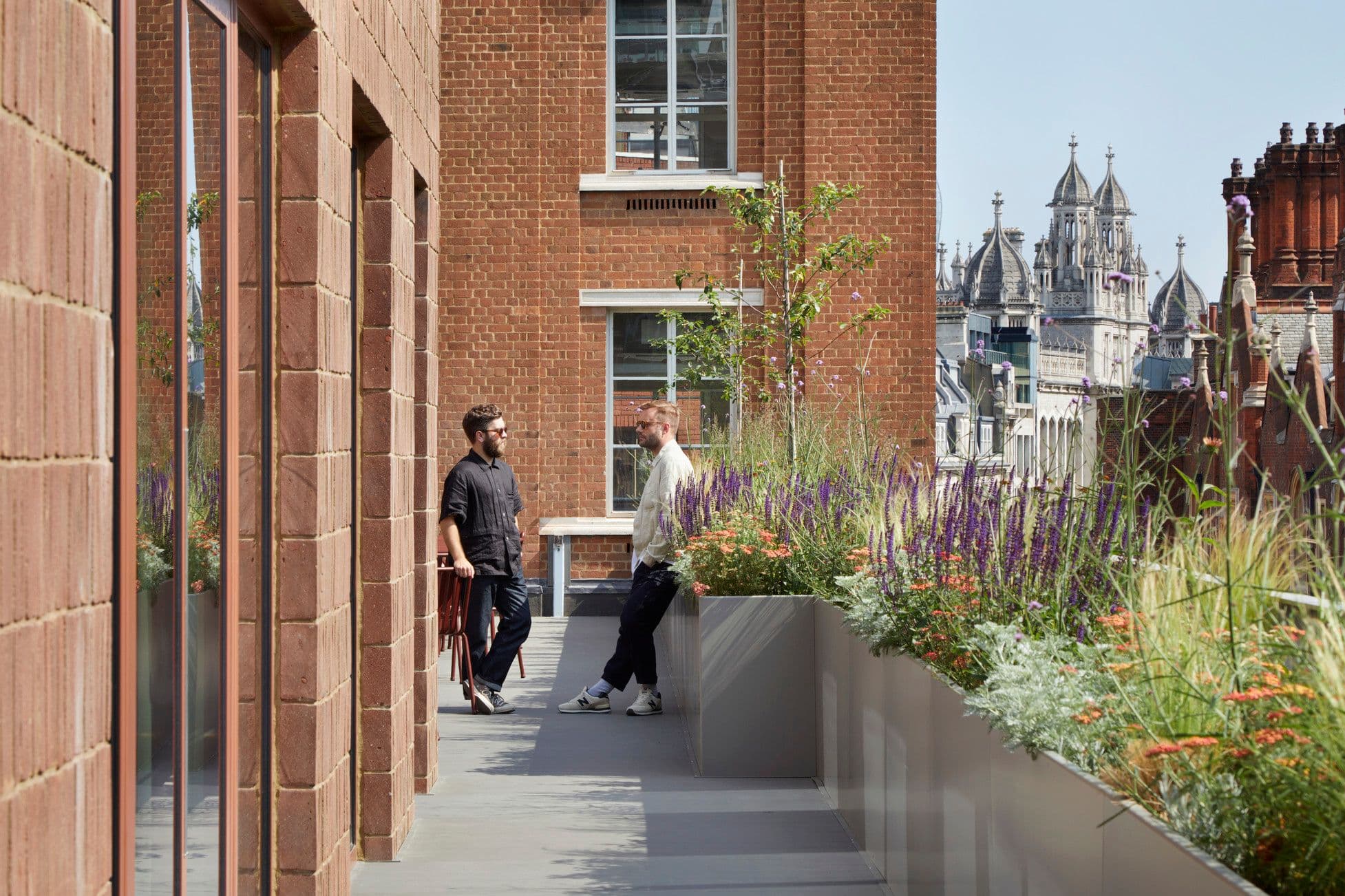
“It’s our job as architects to produce something that looks beautiful regardless of the constraints. These might be site constraints, financial constraints or really onerous environmental performance constraints - we are trained to deal with them. Luckily, the industry is developing solutions to make delivering buildings that look good and perform well easier. For example, the ultra-thin, highly efficient glazing we used in our restoration of the ailing Arts and Crafts factory Voysey House.”
Issy Robertson, Project Architect
What does ‘good’ look like to you when it comes to sustainable design? Are accreditations (eg., BREEAM) the best indicator?
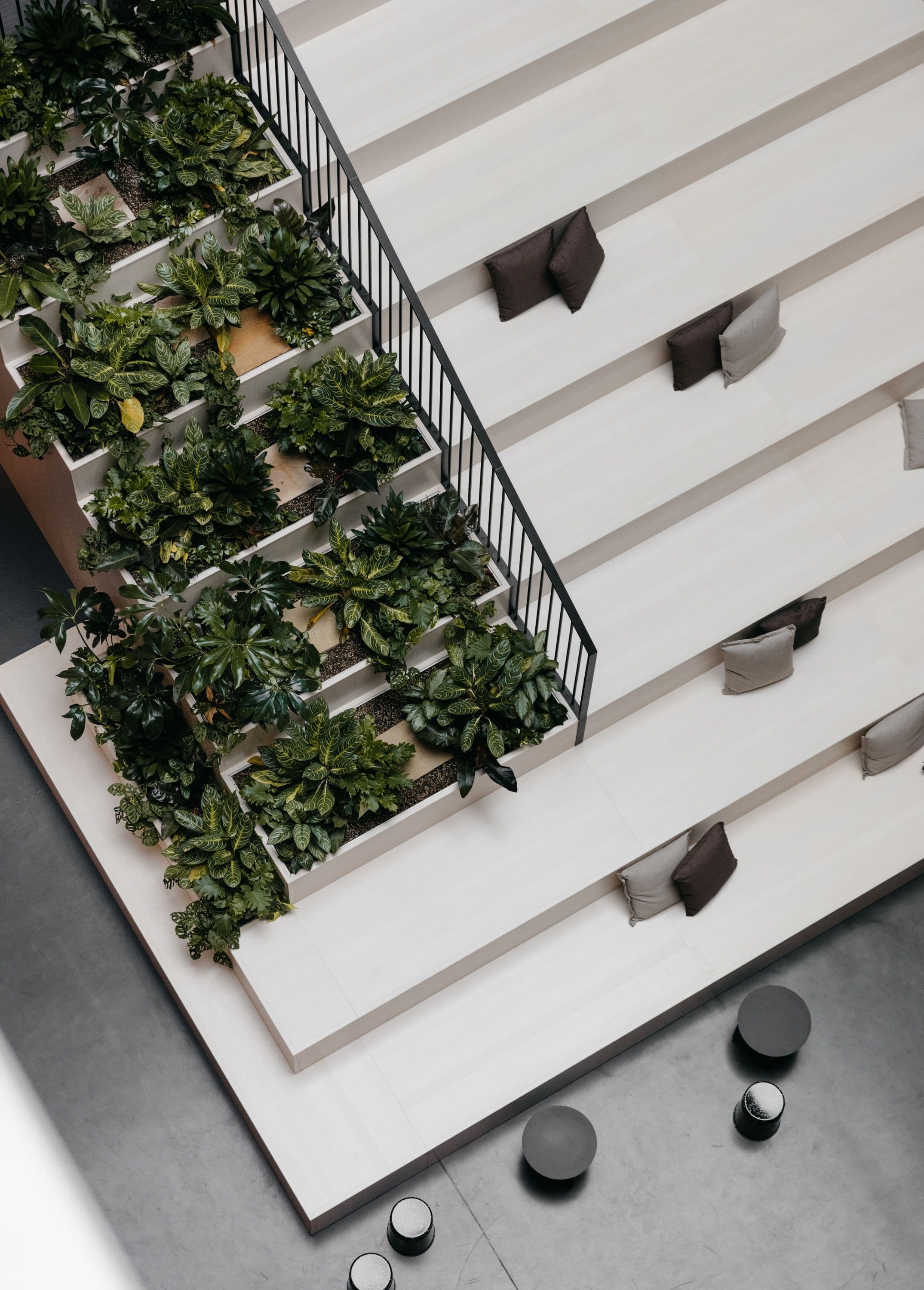
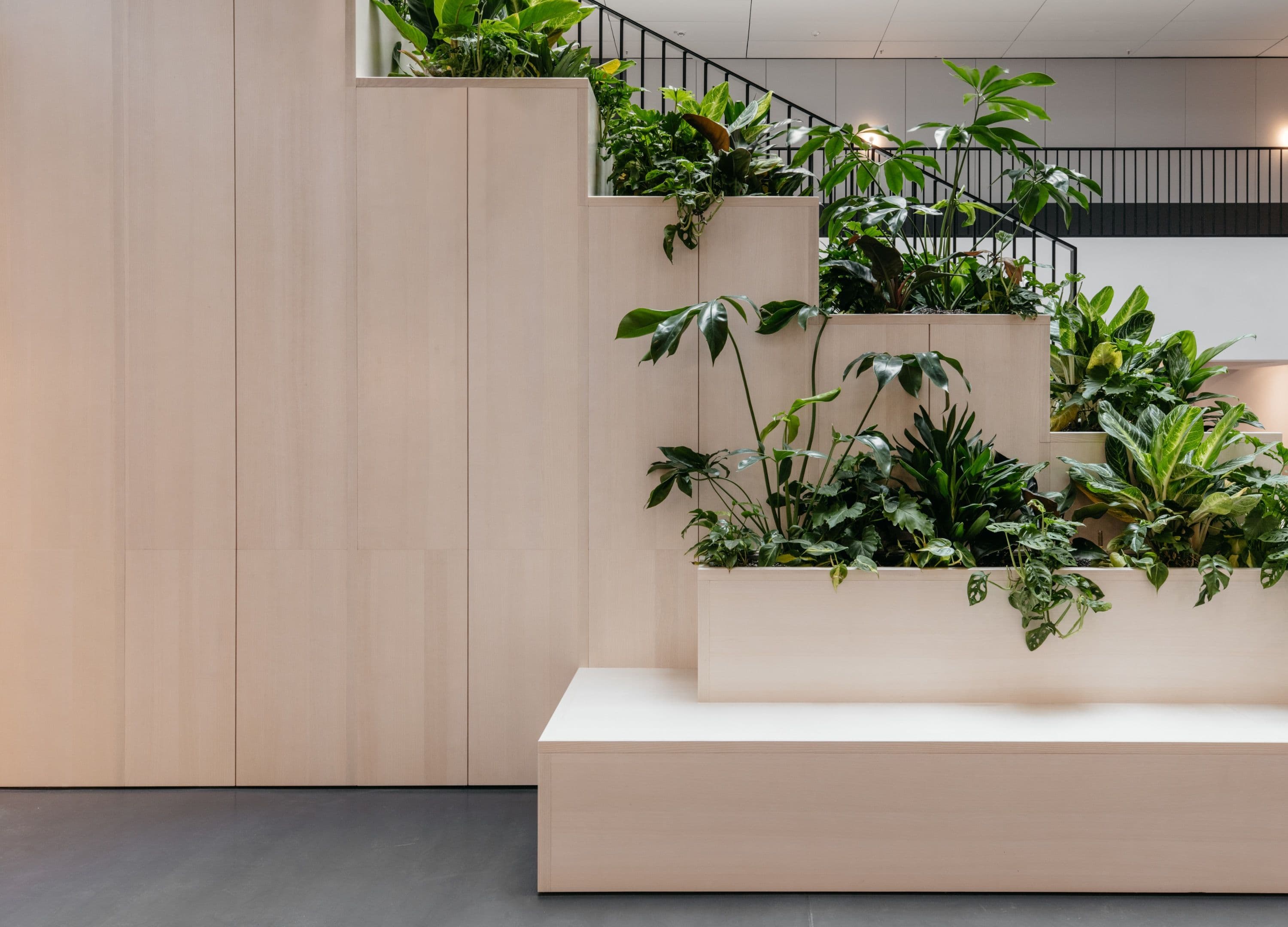
"Applications such as BREAM, WELL, and NABERS provide a good starting point, but they shouldn’t be treated as a tick box exercise. Taking a holistic approach to sustainable design is most effective in the long-term; it's not just about minimising upfront carbon costs, we also need to prioritise designing buildings that are still relevant in 100 years’ time. Creating places that are timeless, rather than trend-led, means that structures don’t end up being stripped out (or worse, demolished) in a few years.”
Issy Robertson, Project Architect
How do you align your sustainability strategies with the ESG goals of different clients?
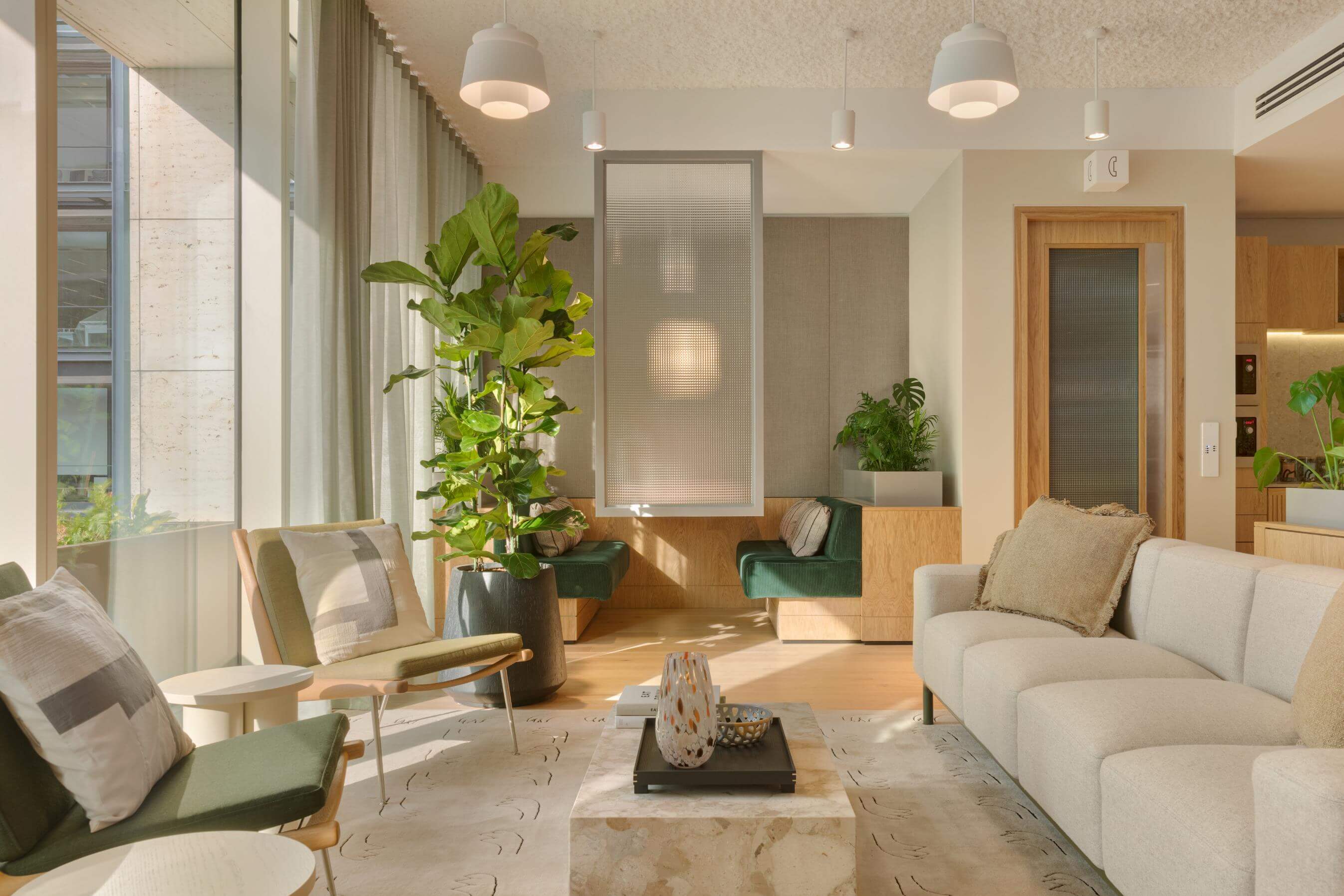
“Whilst different clients often have different priorities when it comes to ESG, our comprehensive approach means they generally sit within dMFK’s wider sustainability strategy. We promote a ‘retrofit first’ rather than a ‘retrofit only’ approach, because there isn’t a one-size-fits-all when it comes to buildings. This involves undertaking a thorough analysis of each site, its context and the brief to determine hat is most appropriate. appropriate. Sometimes, disassembly-led demolition is the most holistically sustainable option.”
Ben Knight, Director
More News
View all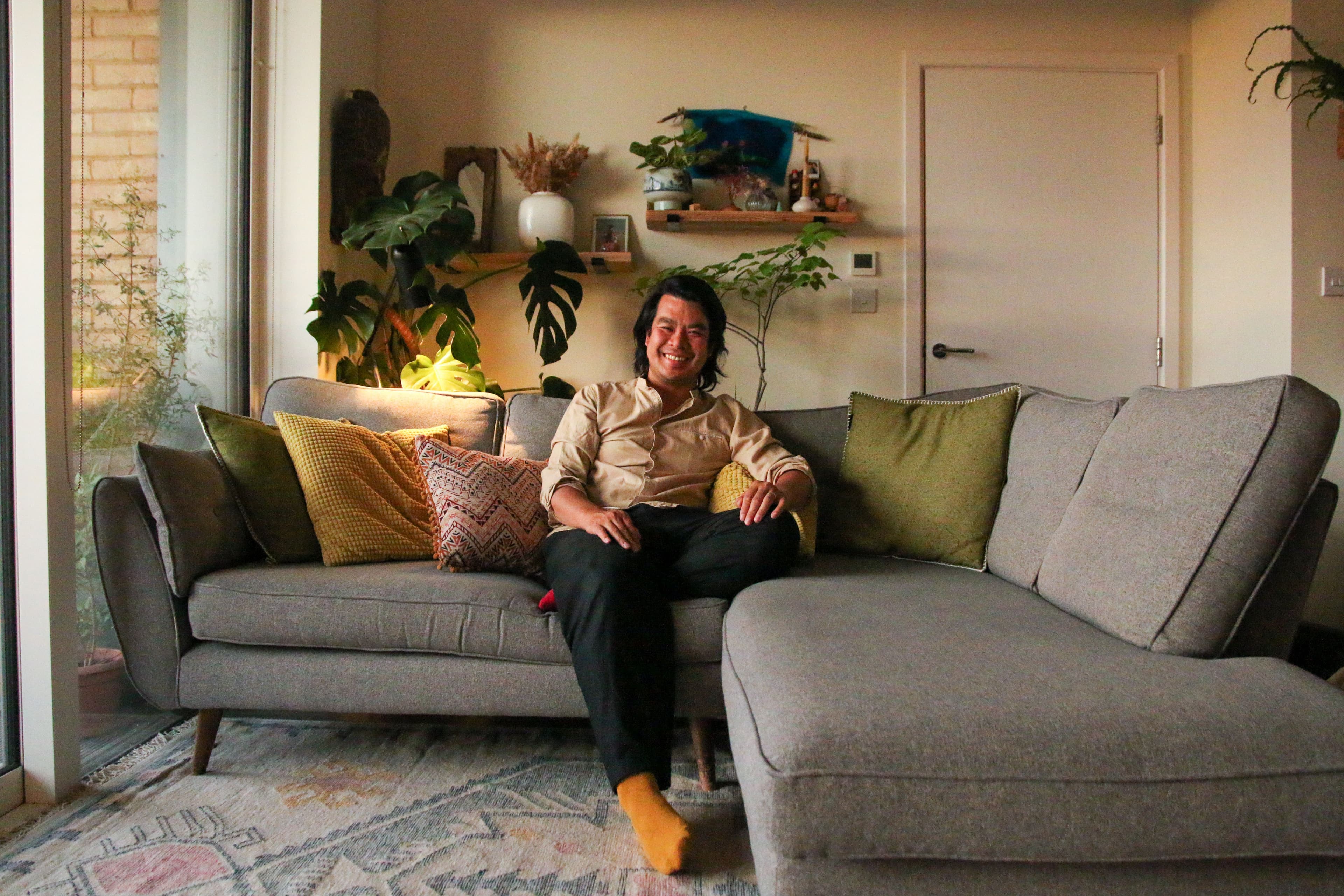
Jonny Wong chats self awareness and growth with Coaches on the Couch
This episode of the Coaches on the Couch podcast explores the importance of self-awareness, growth, and metacognition.
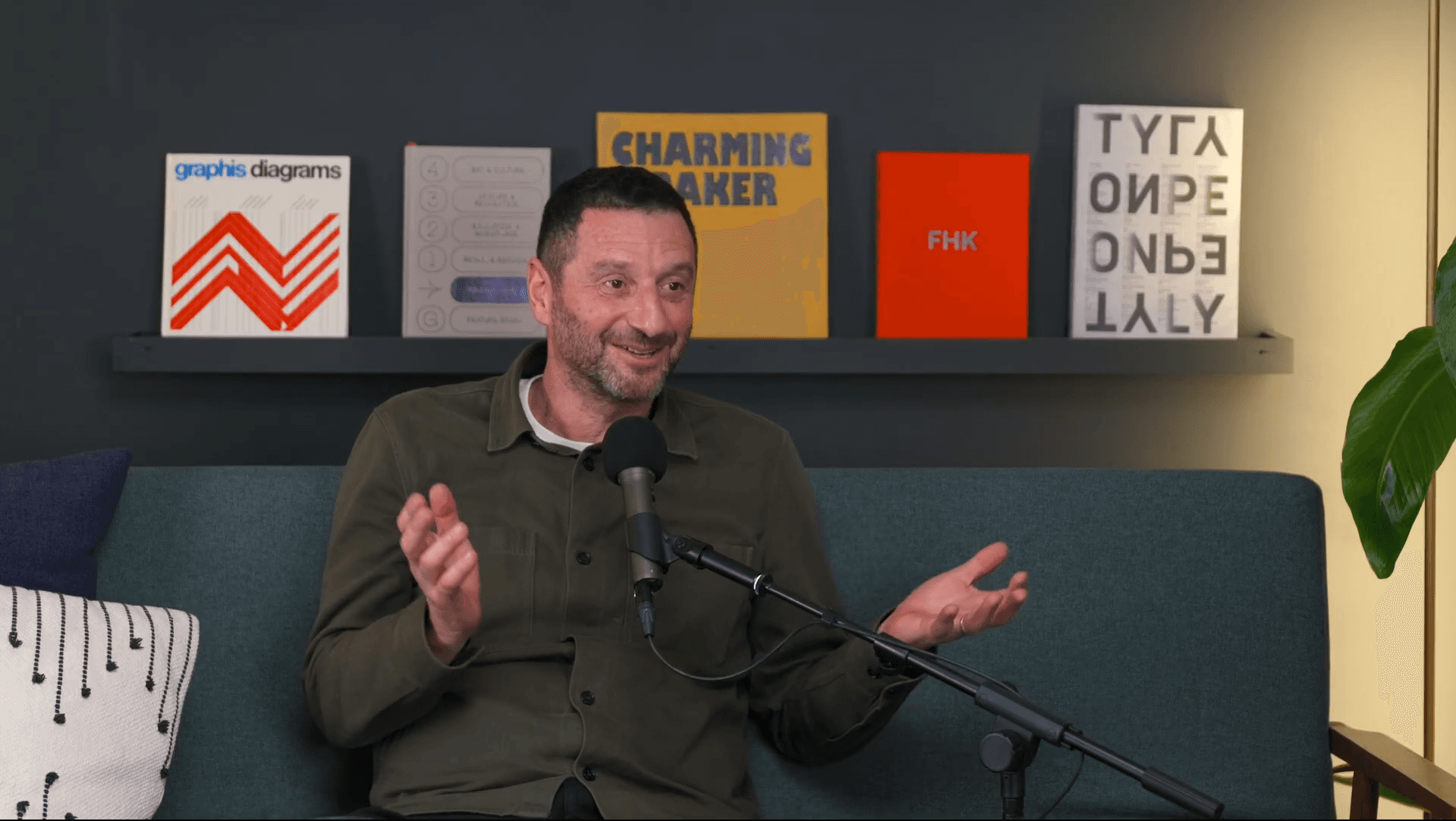
Designing Chancery House: “Like a warm hug when you go in”
Julian de Metz sits down with Dan Moscrop on That Workplace Experience Podcast
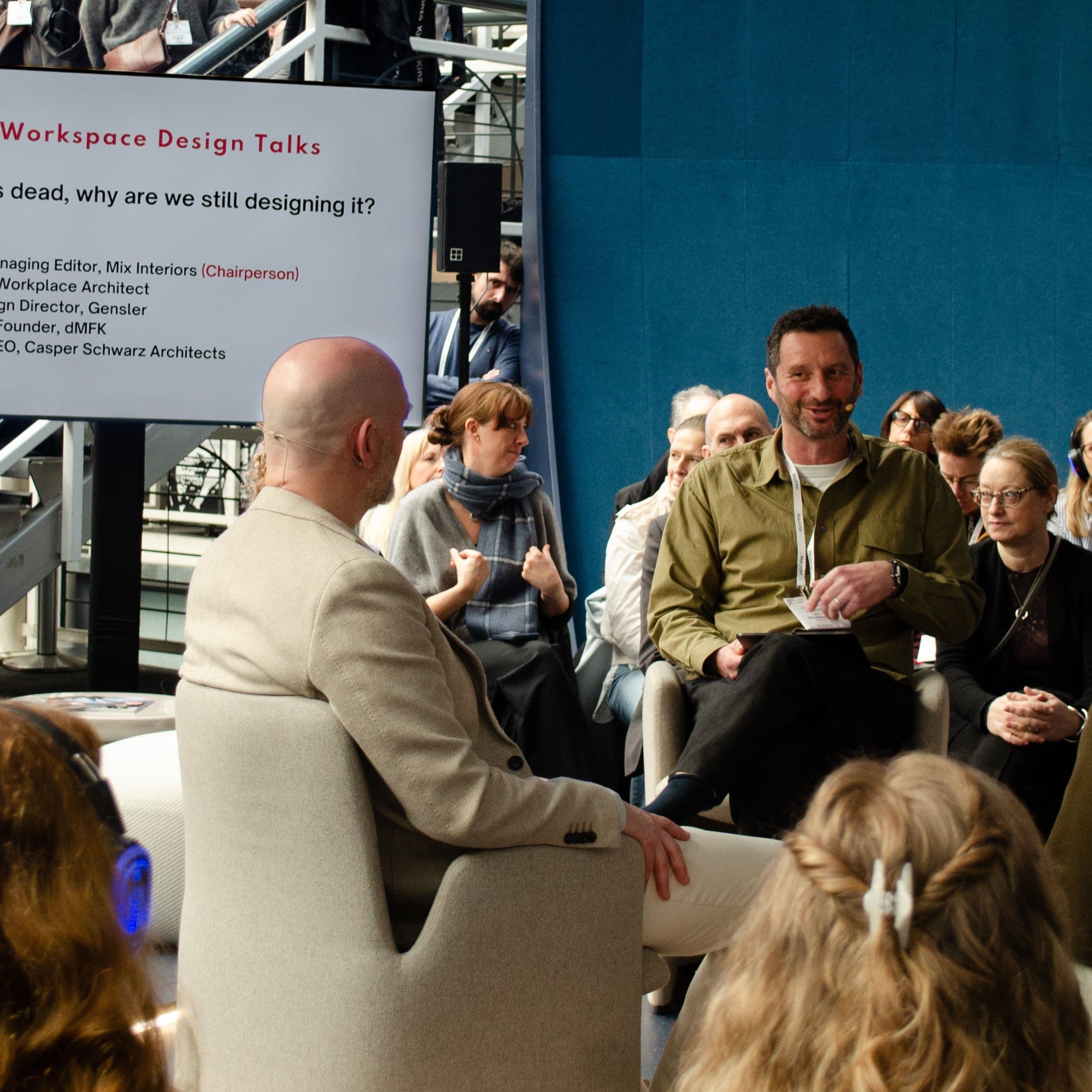
Julian de Metz features on 2026 Workspace Design Show Panel
Hosted by Mix Interiors, dMFK was joined by industry experts from Gensler, Casper Schwartz, and M Moser Architects for a panel exploring the future of the office
Helen Parton interviews Jonny Wong for the British Home Awards
Journalist Helen Parton sits down with dMFK Director Jonny Wong to discuss the judging process for this year's British Home Awards.