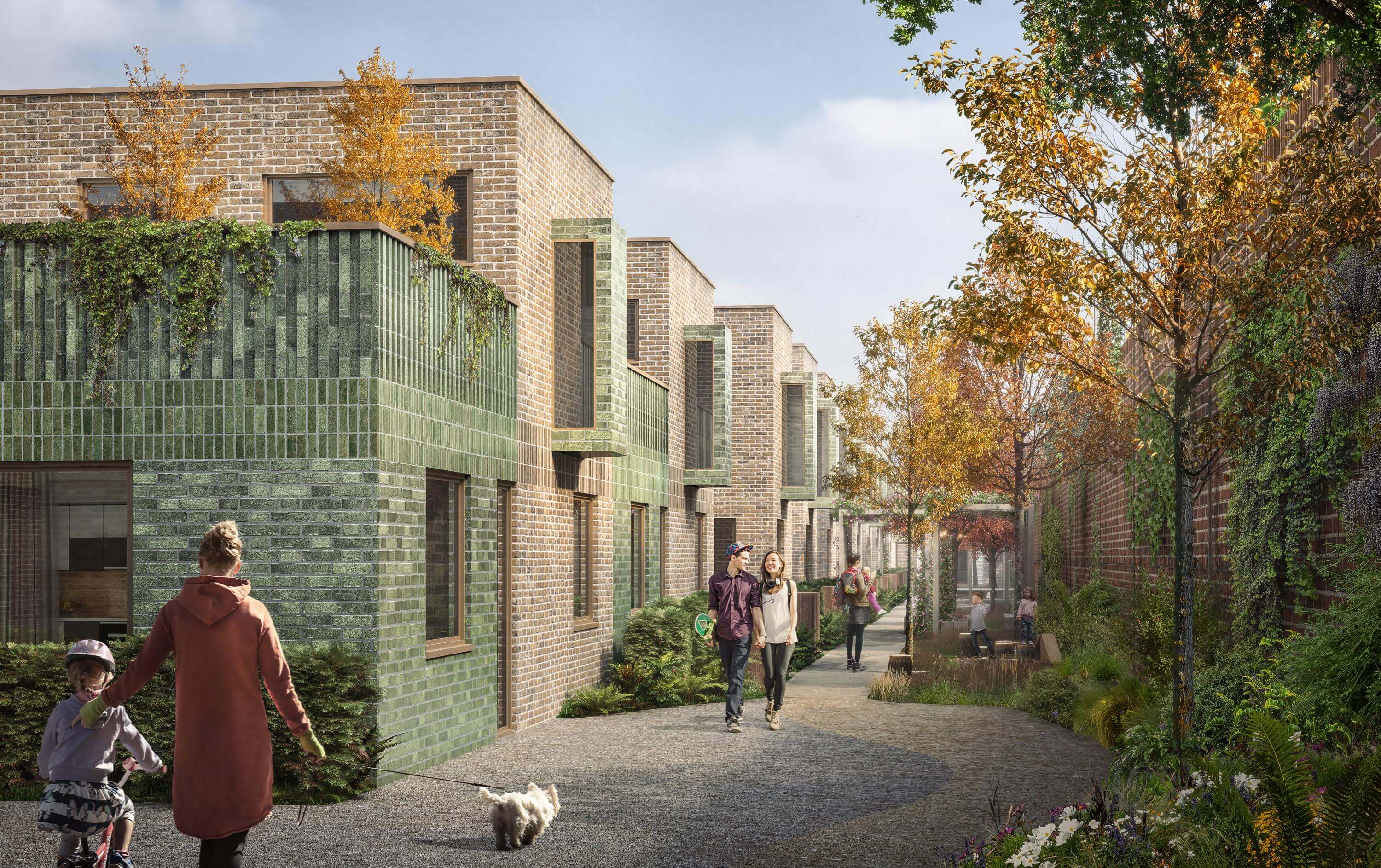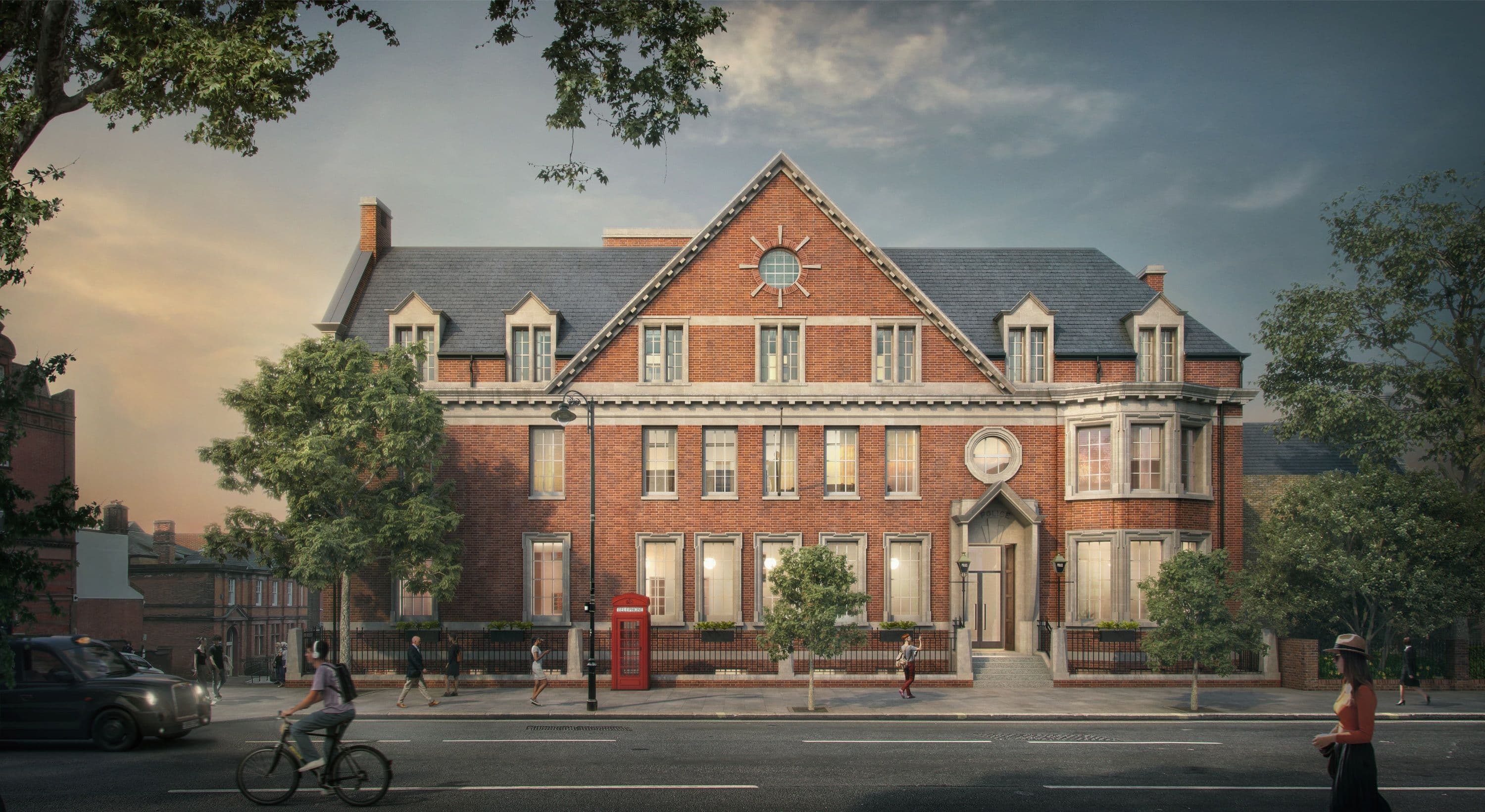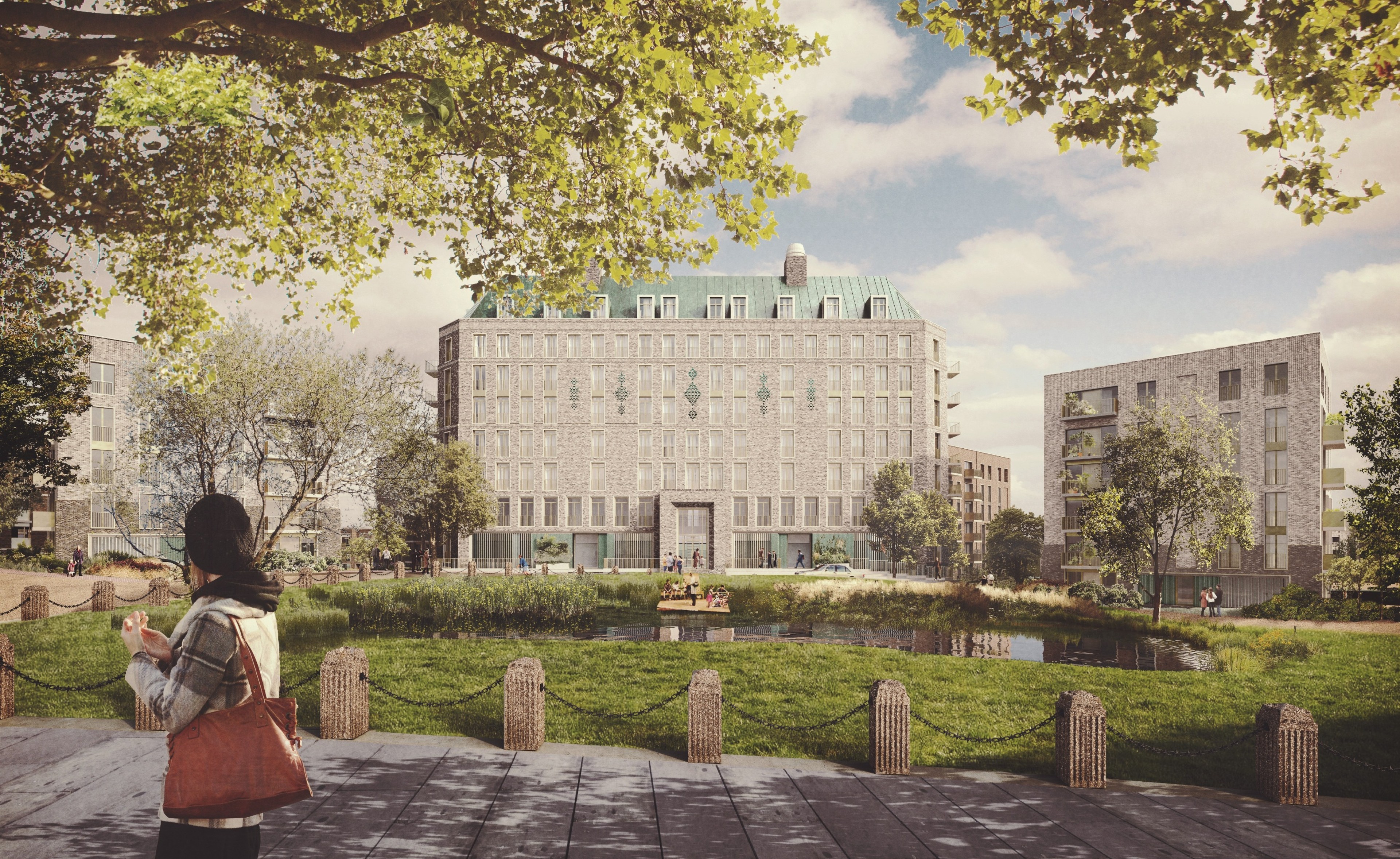
Set within a 450-home masterplan developed collaboratively with Hawkins Brown, the main building – known as the Cruciform – now forms the calm centre of a new neighbourhood on the Ridgeway. Reimagined as a place to live, work and gather, it is framed by four new pavilions that sit around its retained landmark core. Together they open the site to ponds, generous planting and long views across the Green Belt, giving the Cruciform a civic yet welcoming presence tied closely to the Totteridge Valley.
- Location
- Mill Hill, London
- Size
- 138 Homes
- Client
- Barratt London
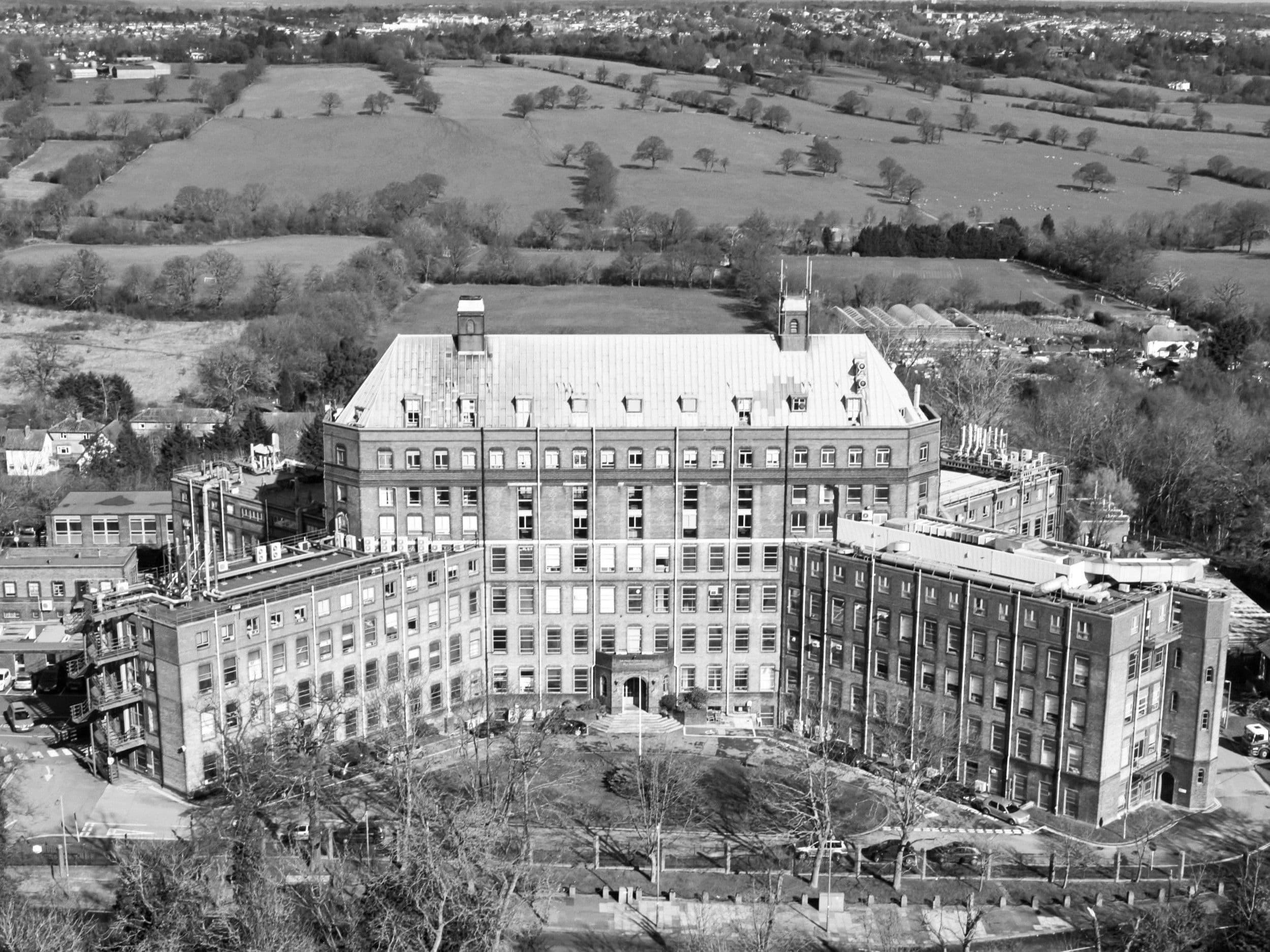
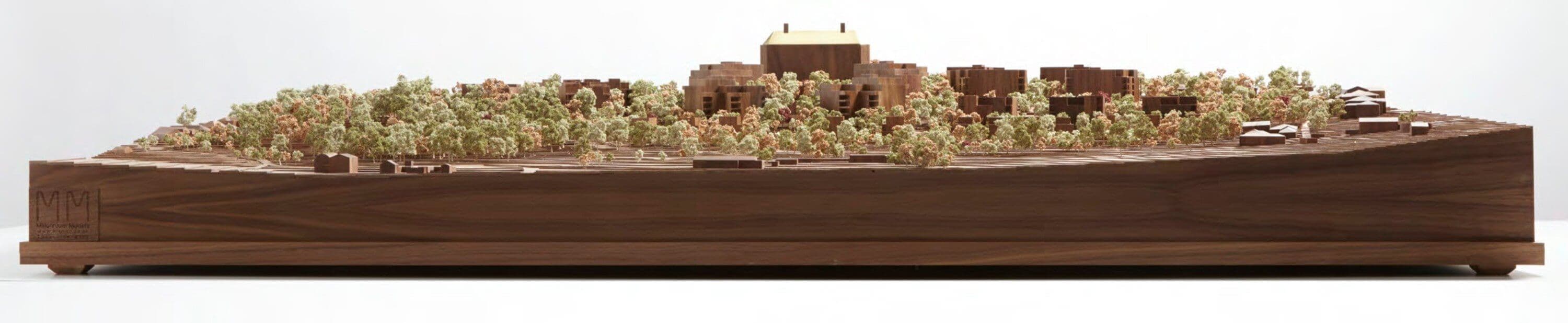
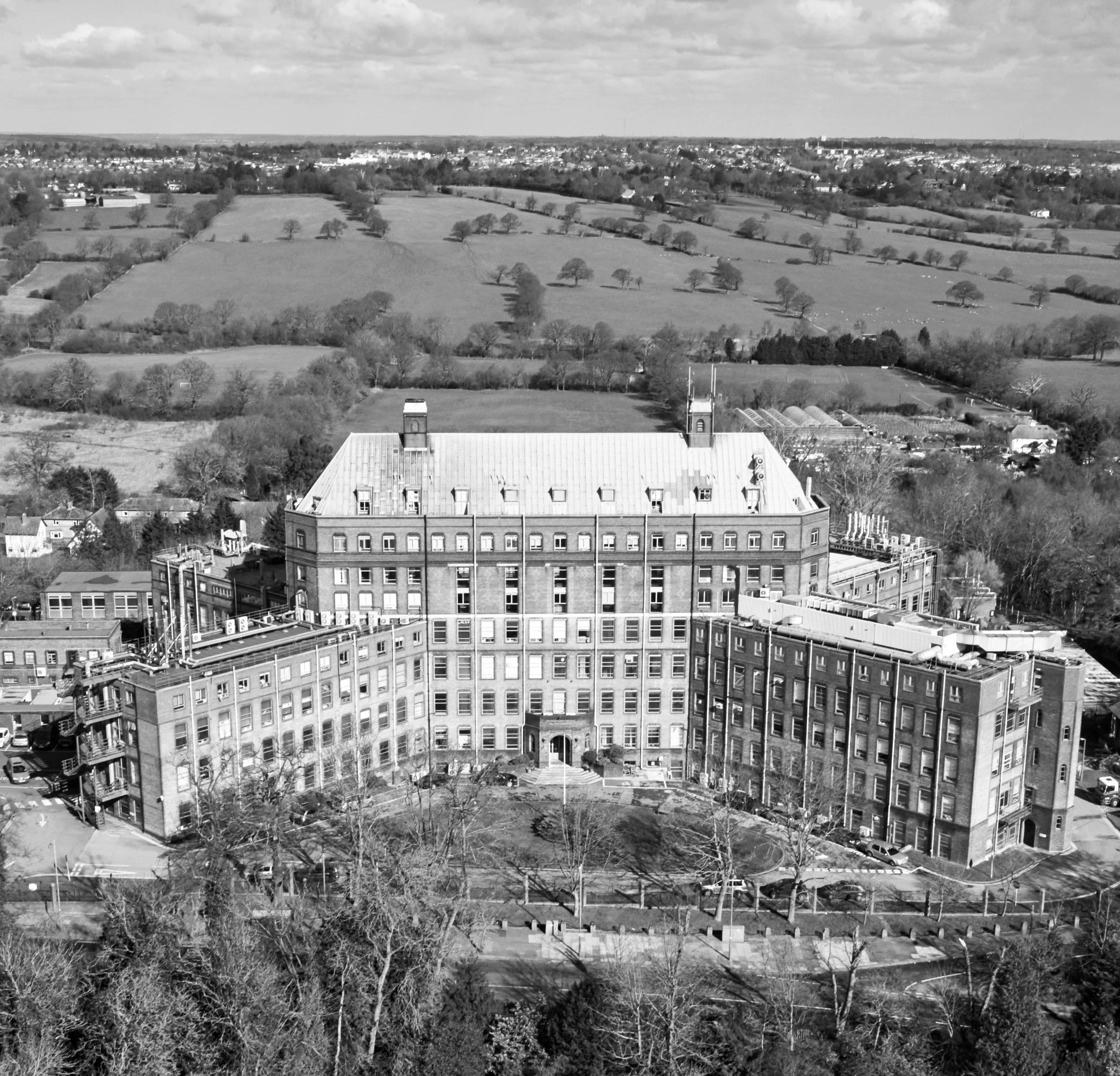
We won a design competition in 2015 to rethink Maxwell Ayrton’s 1930s National Institute for Medical Research – a recognised landmark whose scale dominated its Conservation Area setting. Sitting high on the Ridgeway within the Green Belt, the original structure had presence, but it blocked views and reinforced an austere character. Our challenge was to express its best parts and edit out its worst.
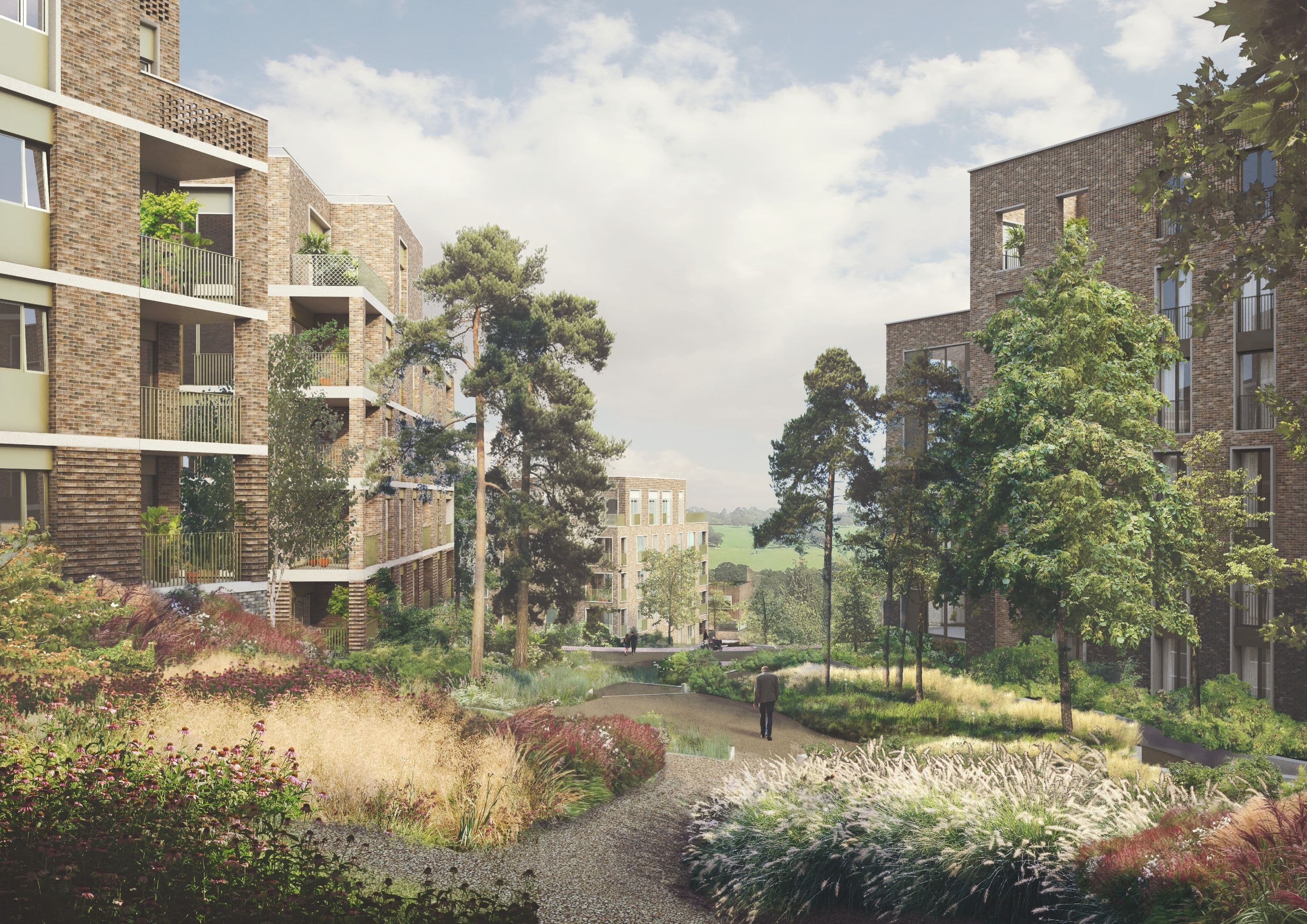
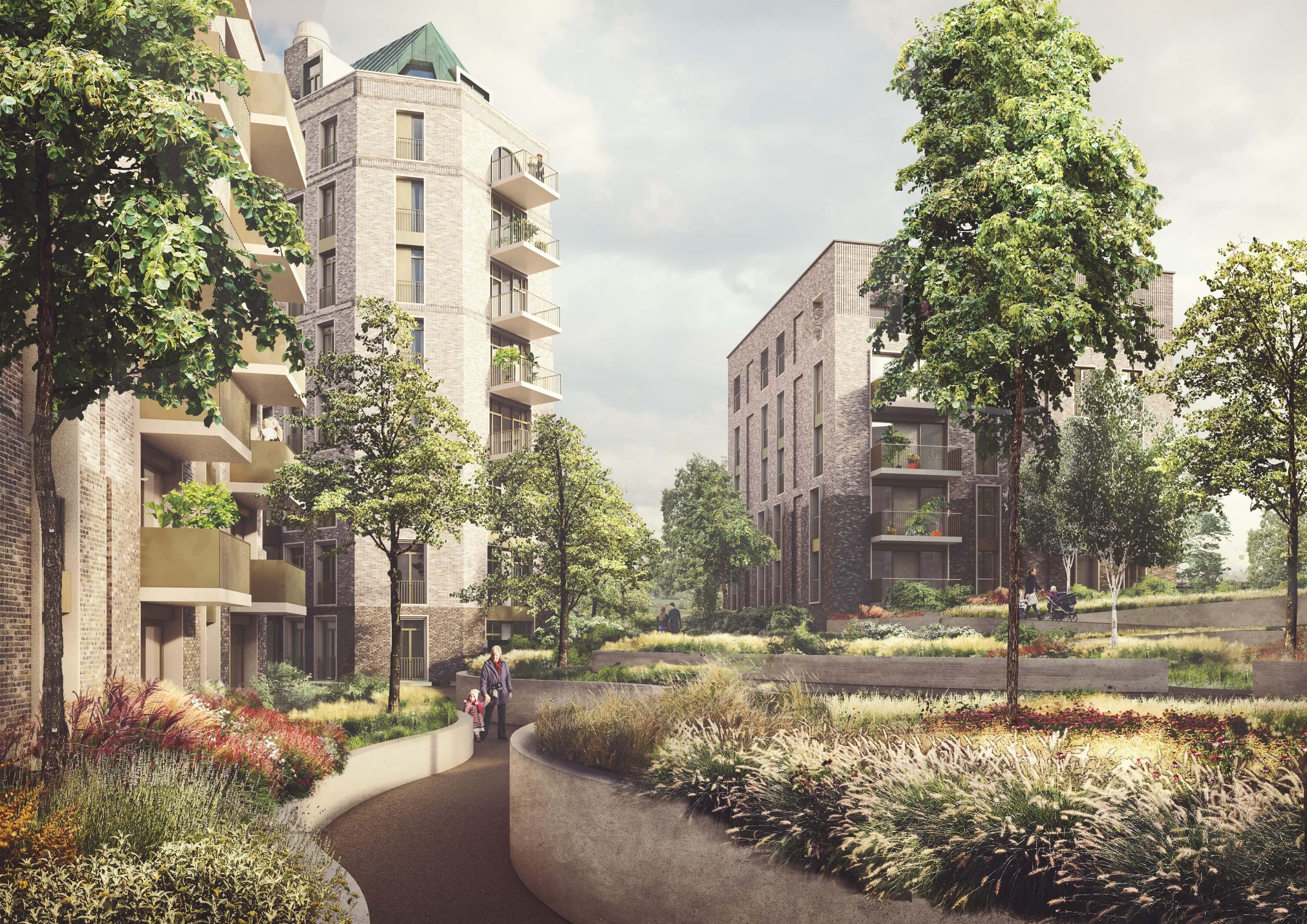
Working alongside Hawkins Brown on the wider 450-home masterplan, our focus was the main building – the Cruciform. We aimed to transform it from an austere, foreboding institutional research facility into a mixed-use building with 138 homes and activity throughout the day – rooted in the landscape, respectful of its heritage and more openly connected to the Green Belt and Totteridge Valley beyond.
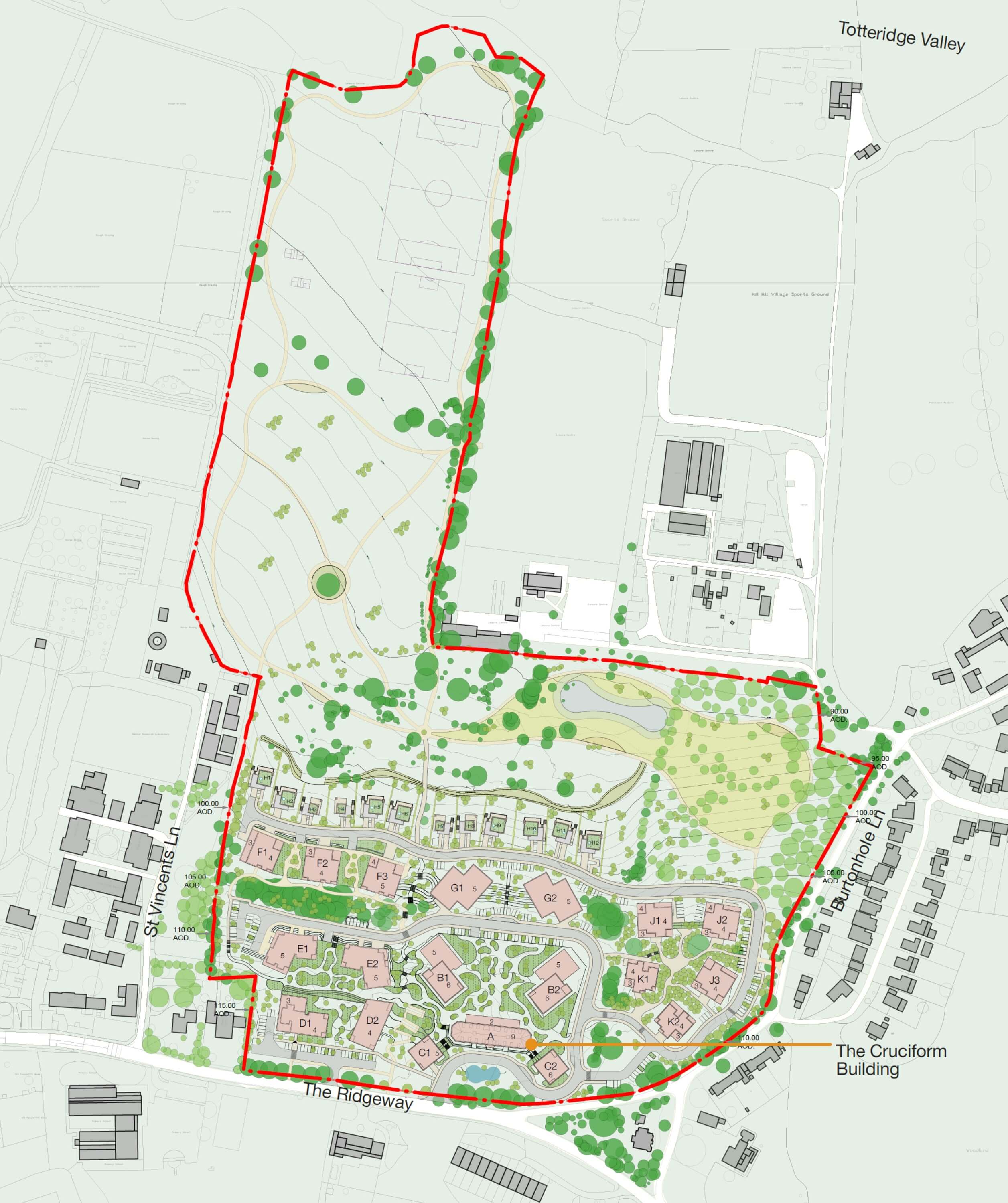
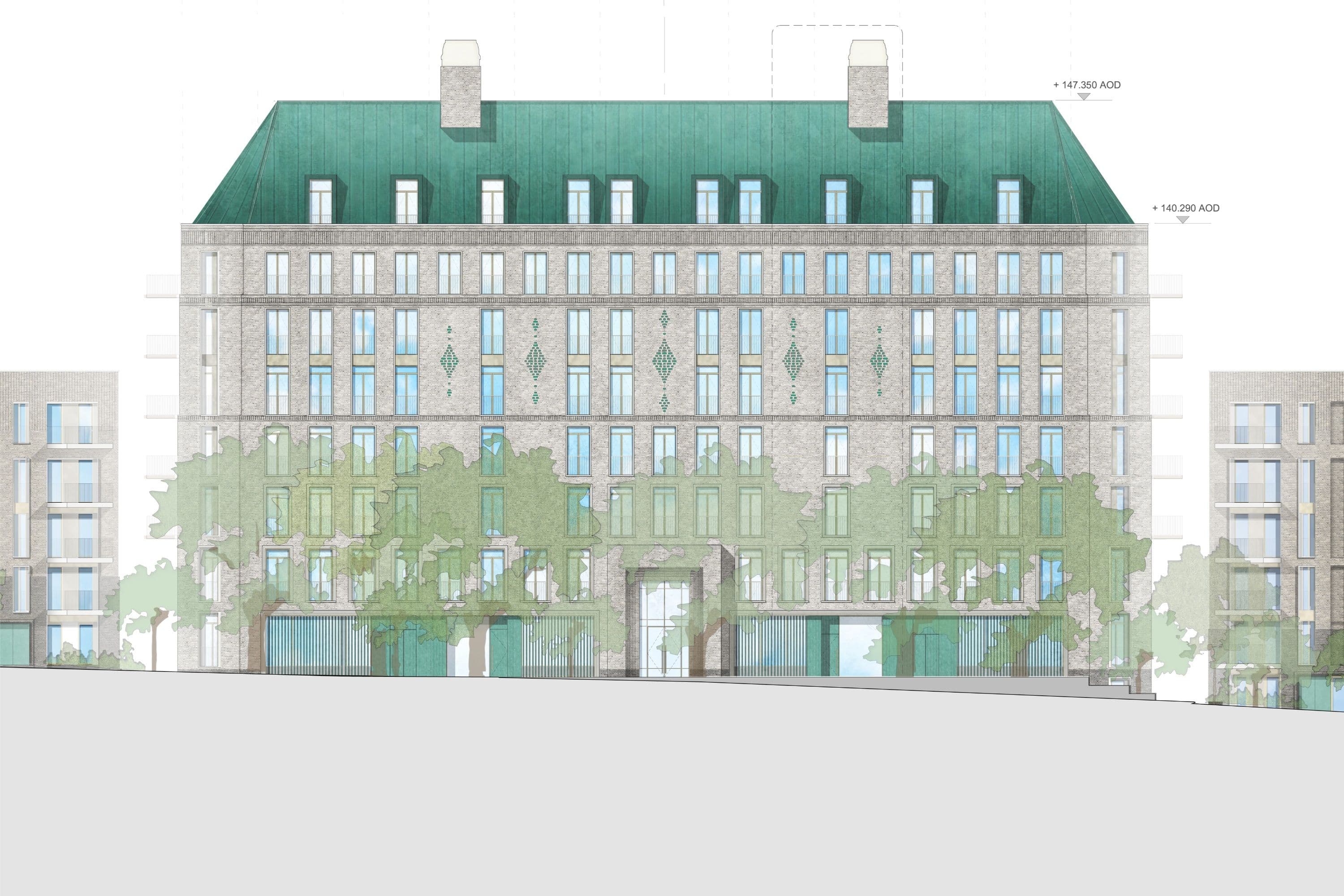
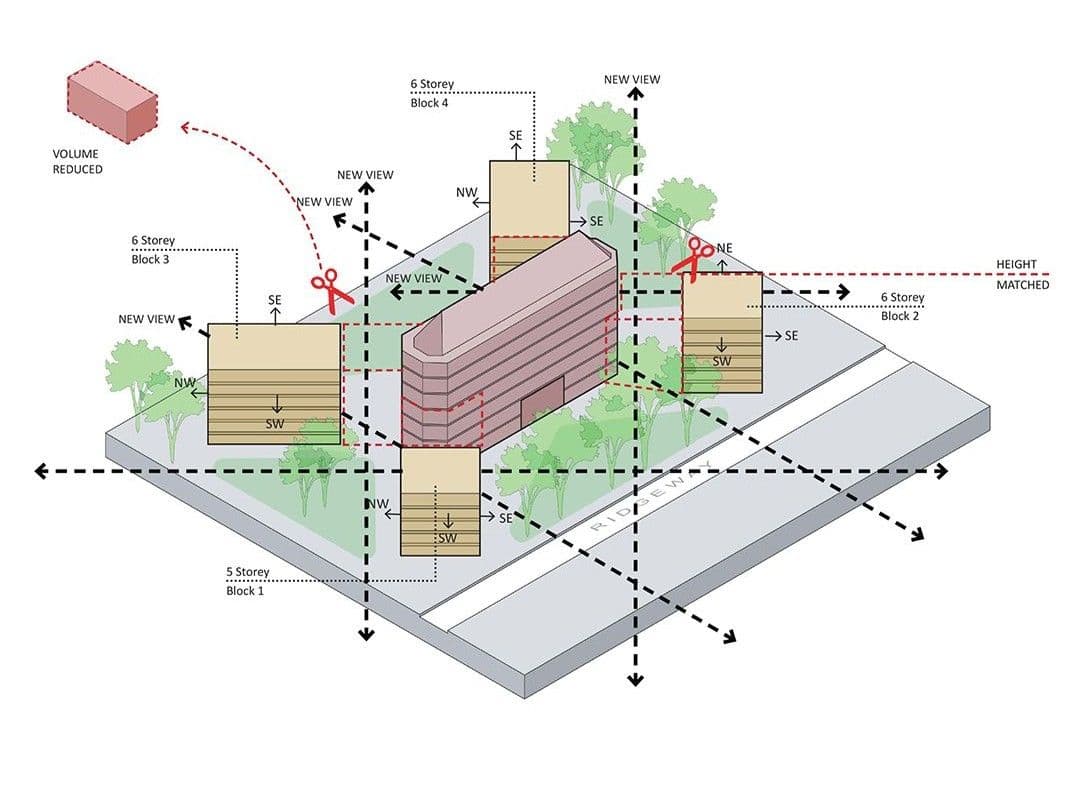
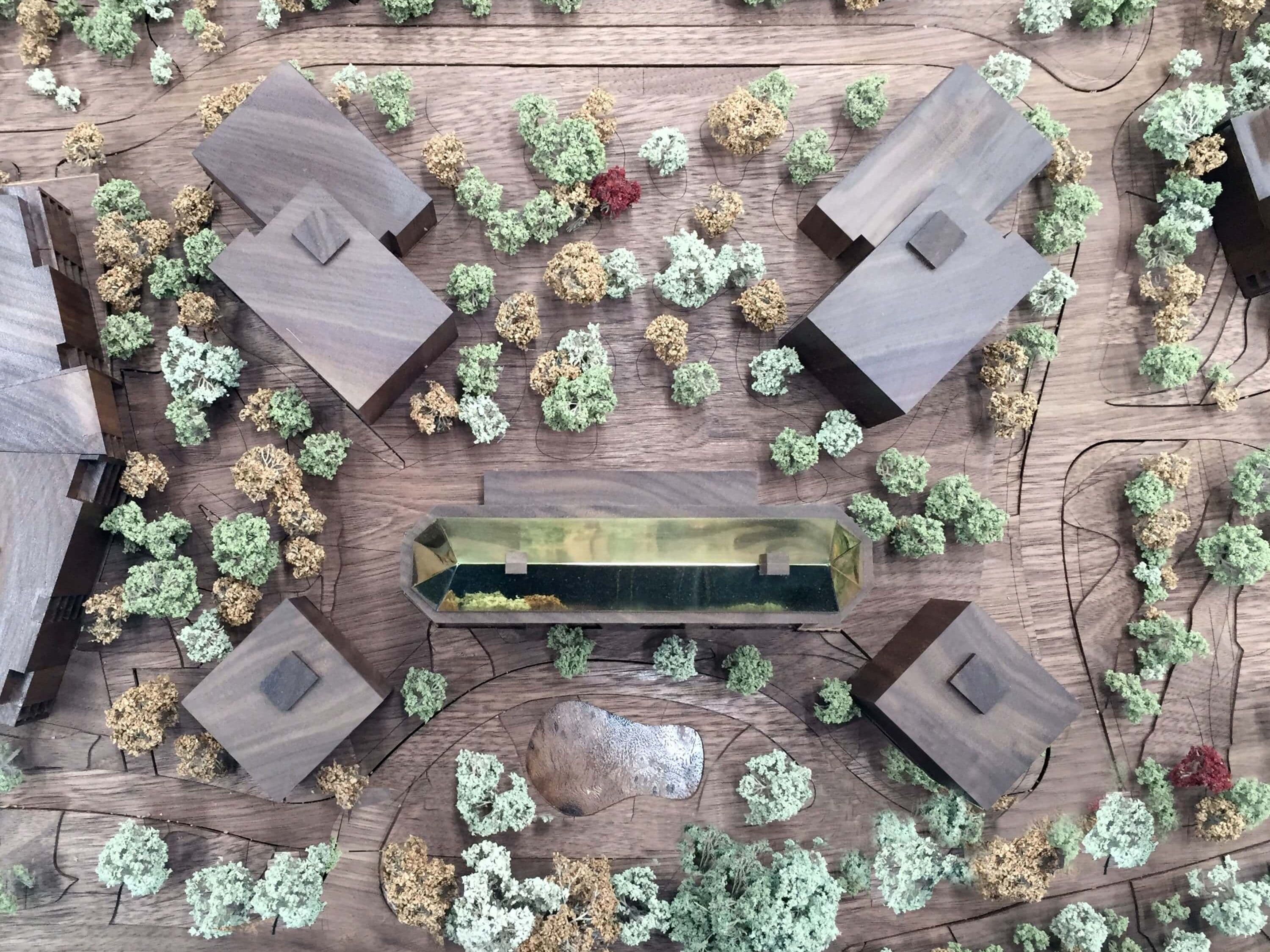
We took full design responsibility for reimagining the Cruciform, reshaping the main building while retaining its landmark heart. The low wings were removed and replaced with four pavilions, markedly increasing openness to the Green Belt – a key NPPF consideration – and restoring long views to the valley. New routes, ponds and framed vistas reconnect the building with its wider setting, while homes, workspace and a restaurant introduce varied use and life throughout the day.
Before and After
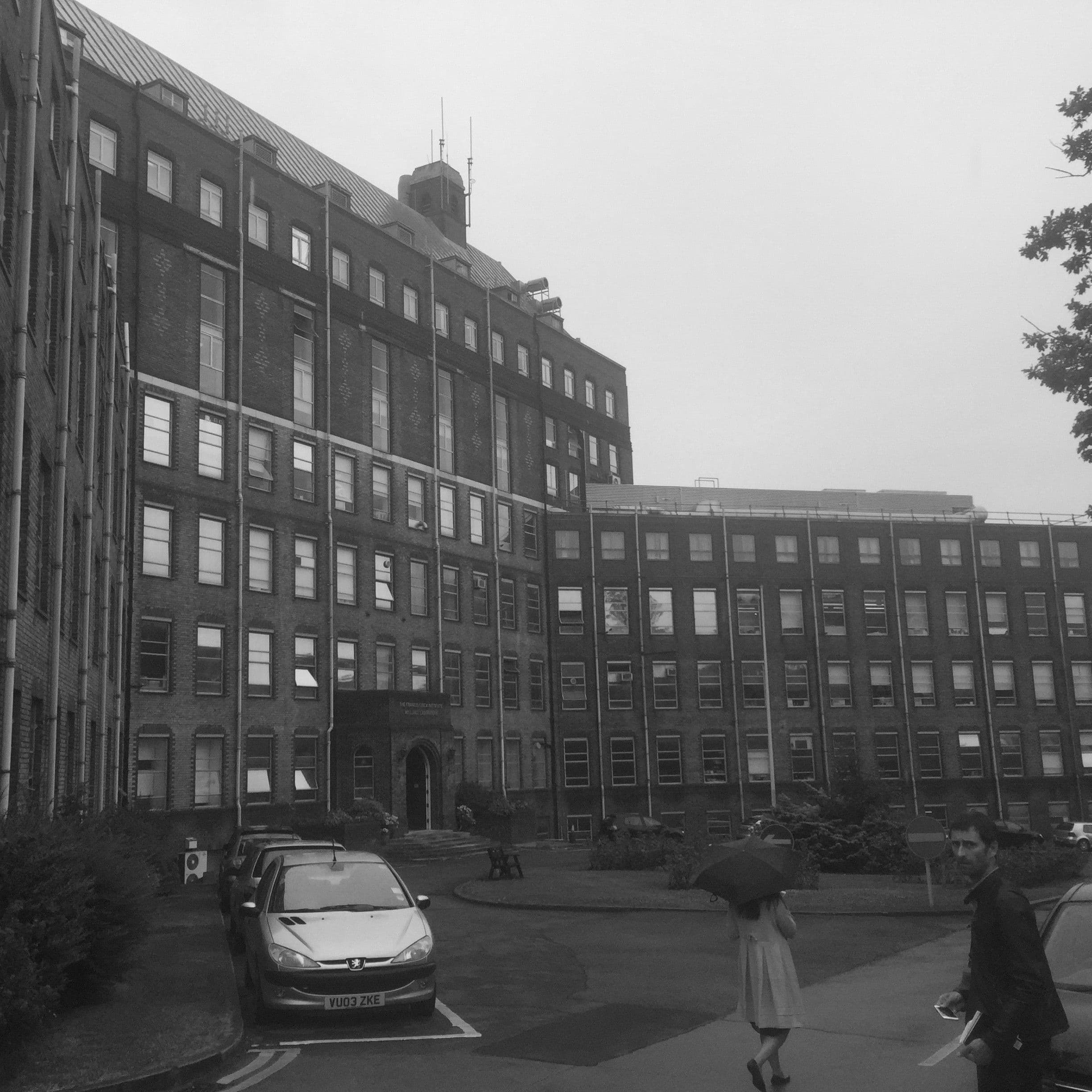
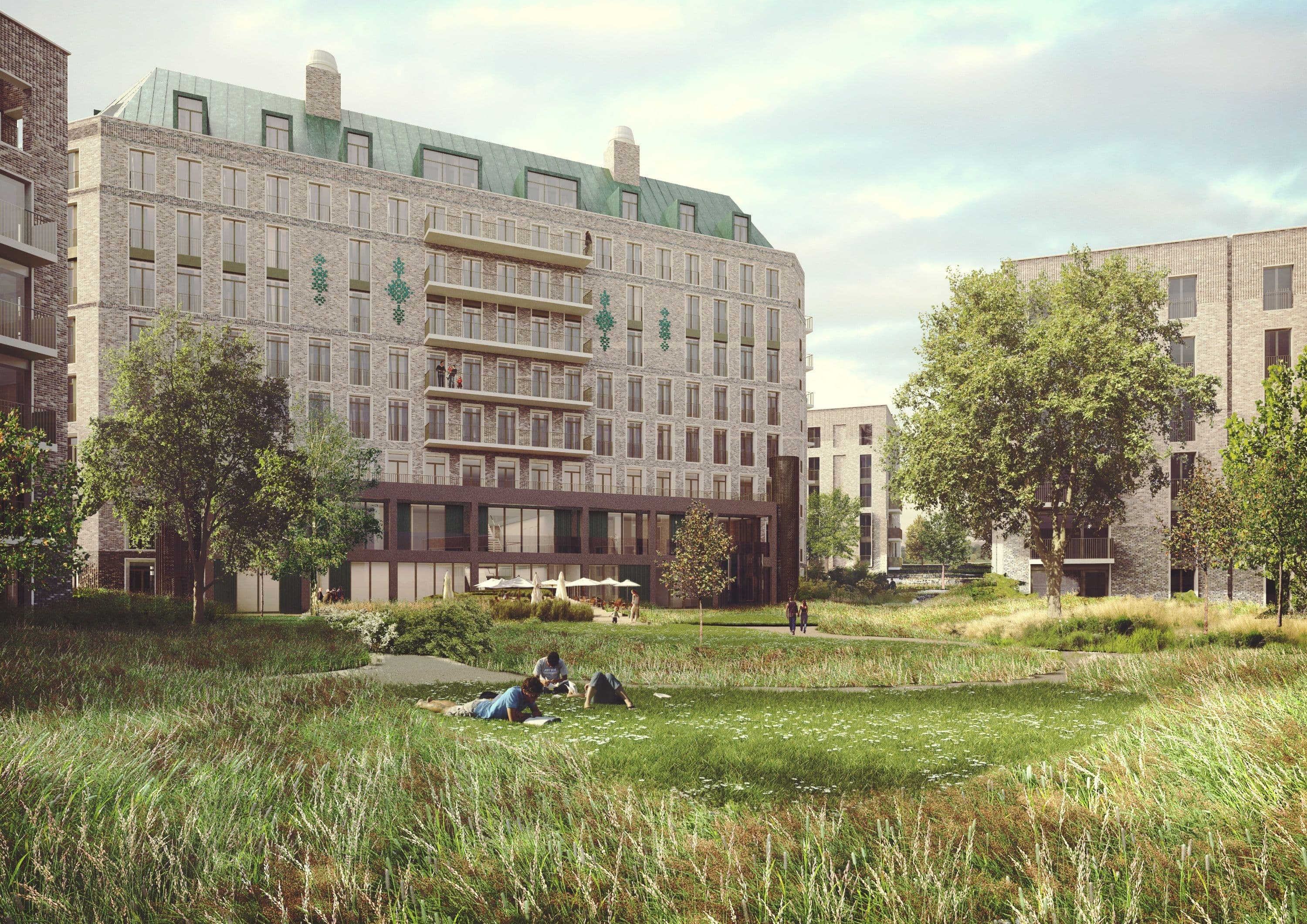
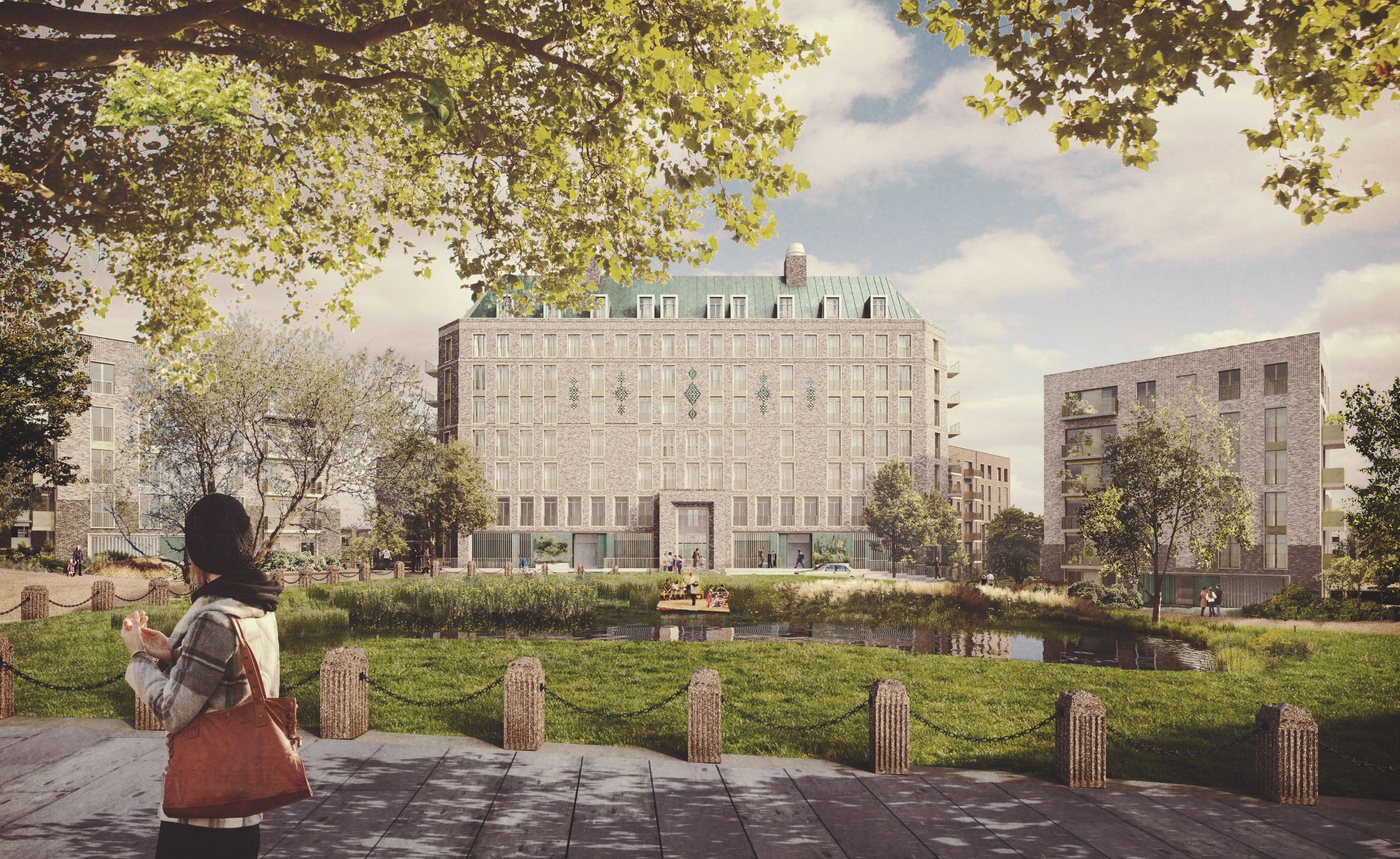
Extensive public consultation helped shape the proposals, achieving the support of the Neighbourhood Forum, the Mill Hill Preservation Society and many local residents. Originally conceived as a conversion, the scheme evolved through the design process into an augmented facsimile. It was delivered on site in 2024 by RM_A for Barratt, faithfully realising the design intent while embedding new homes and amenities within a more open, connected landscape.
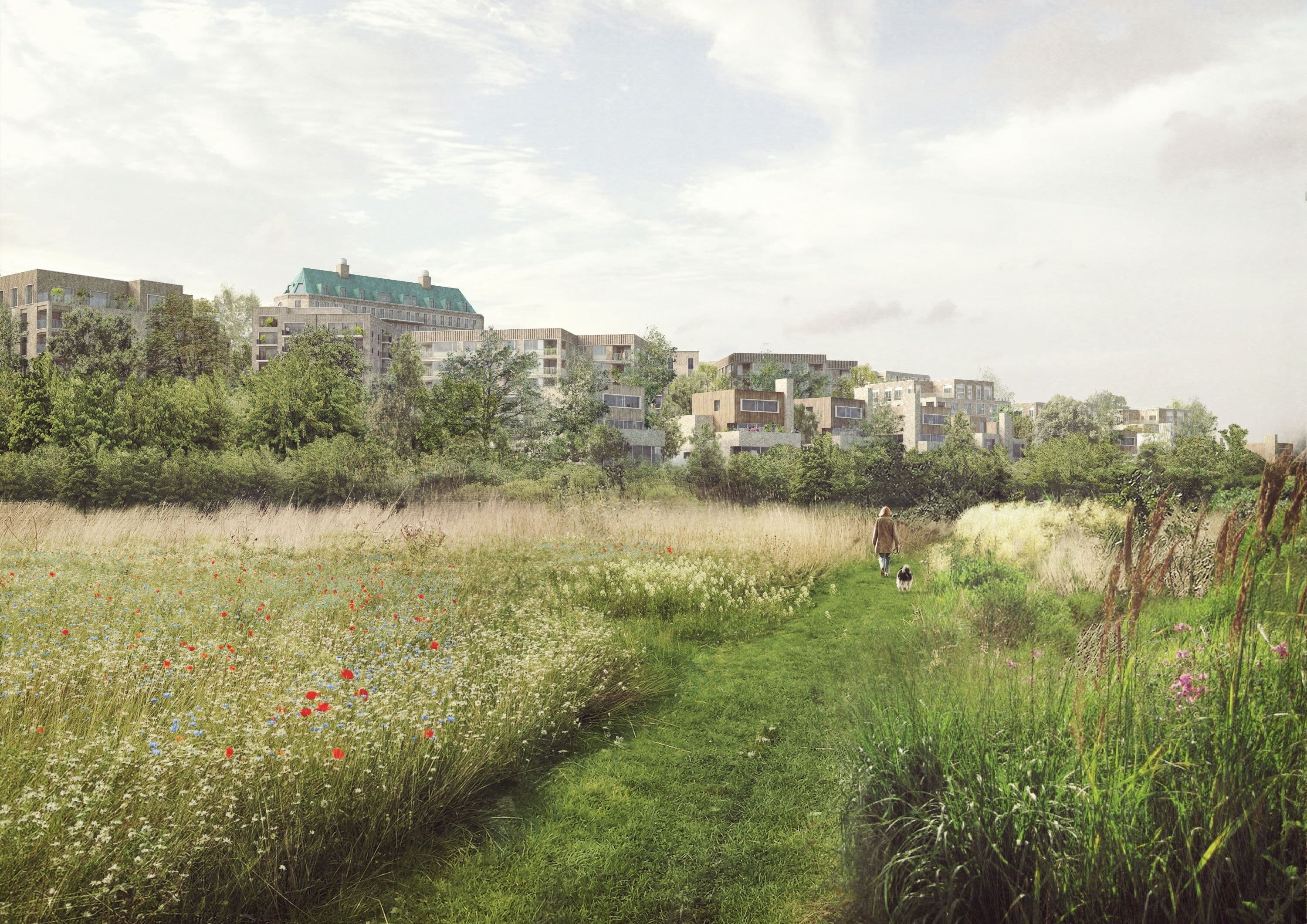
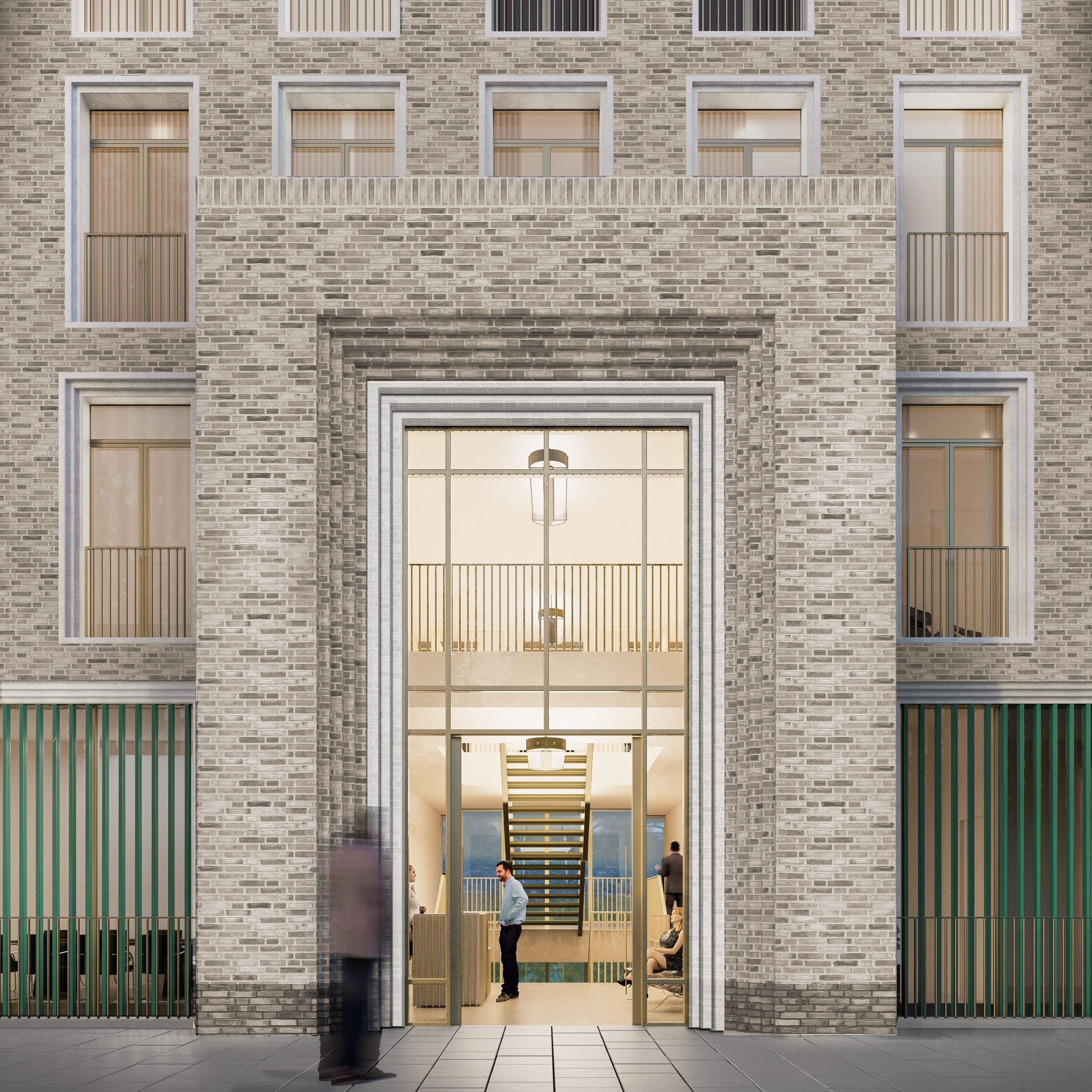
Related projects
View selected