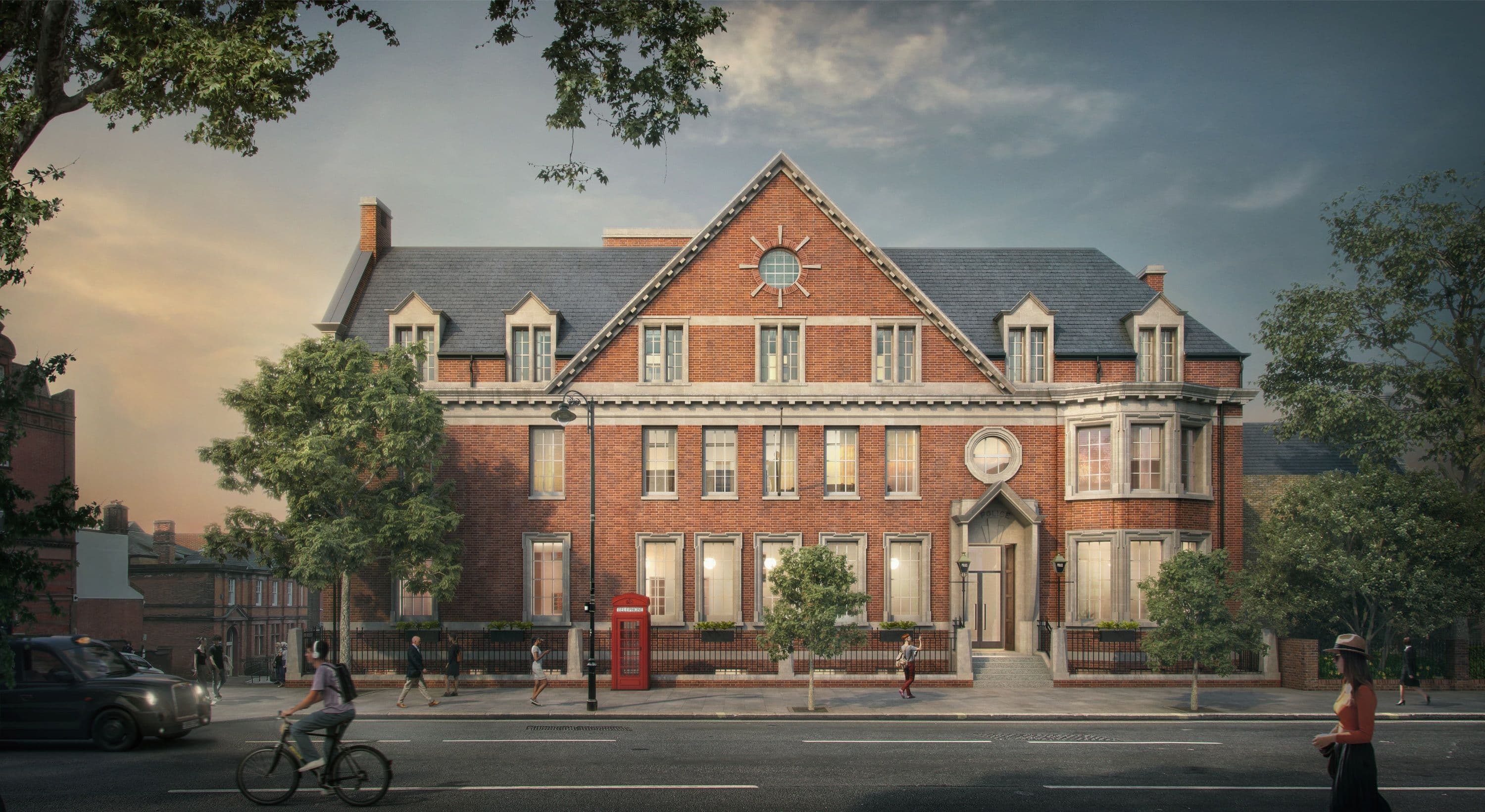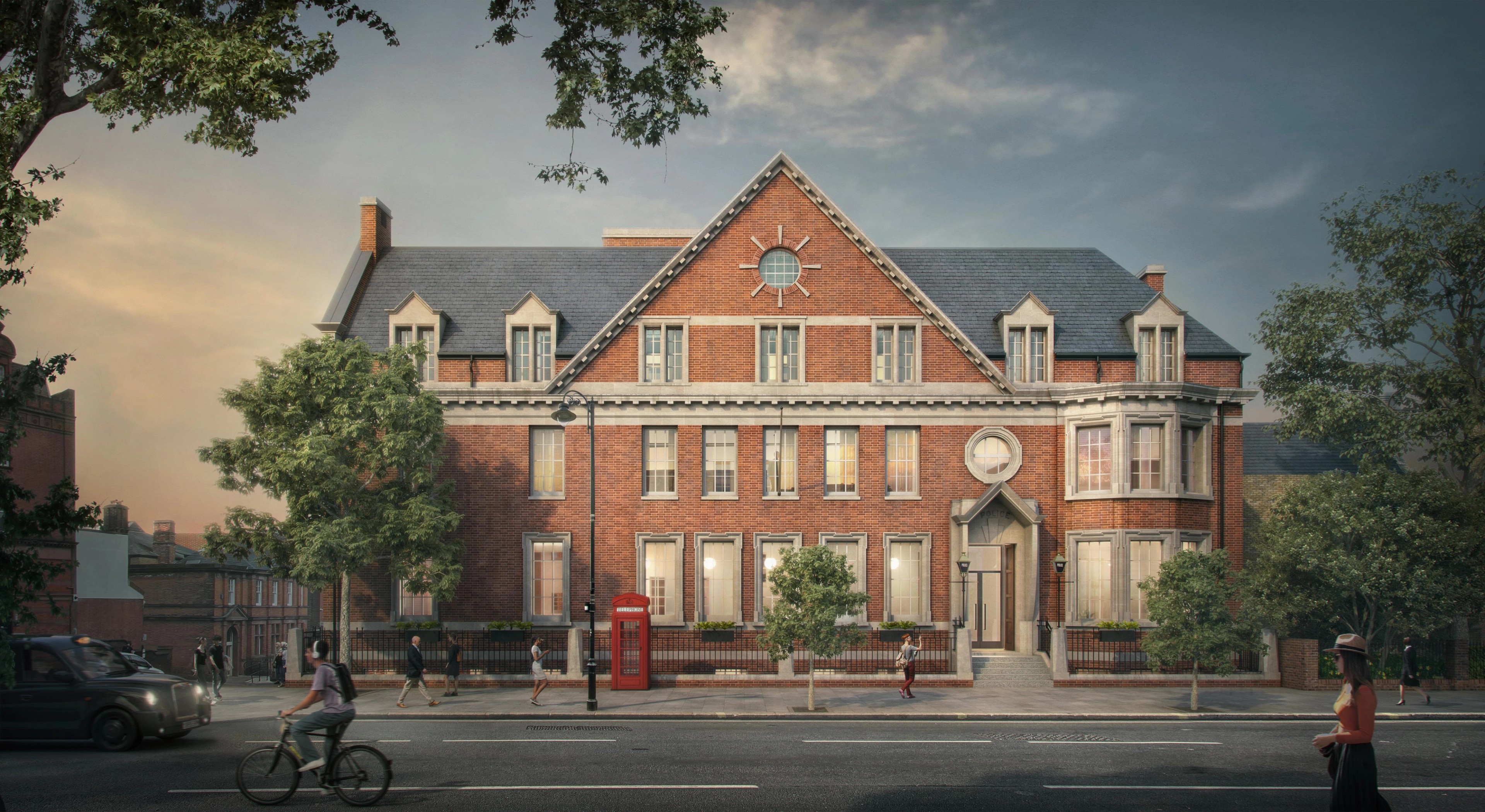
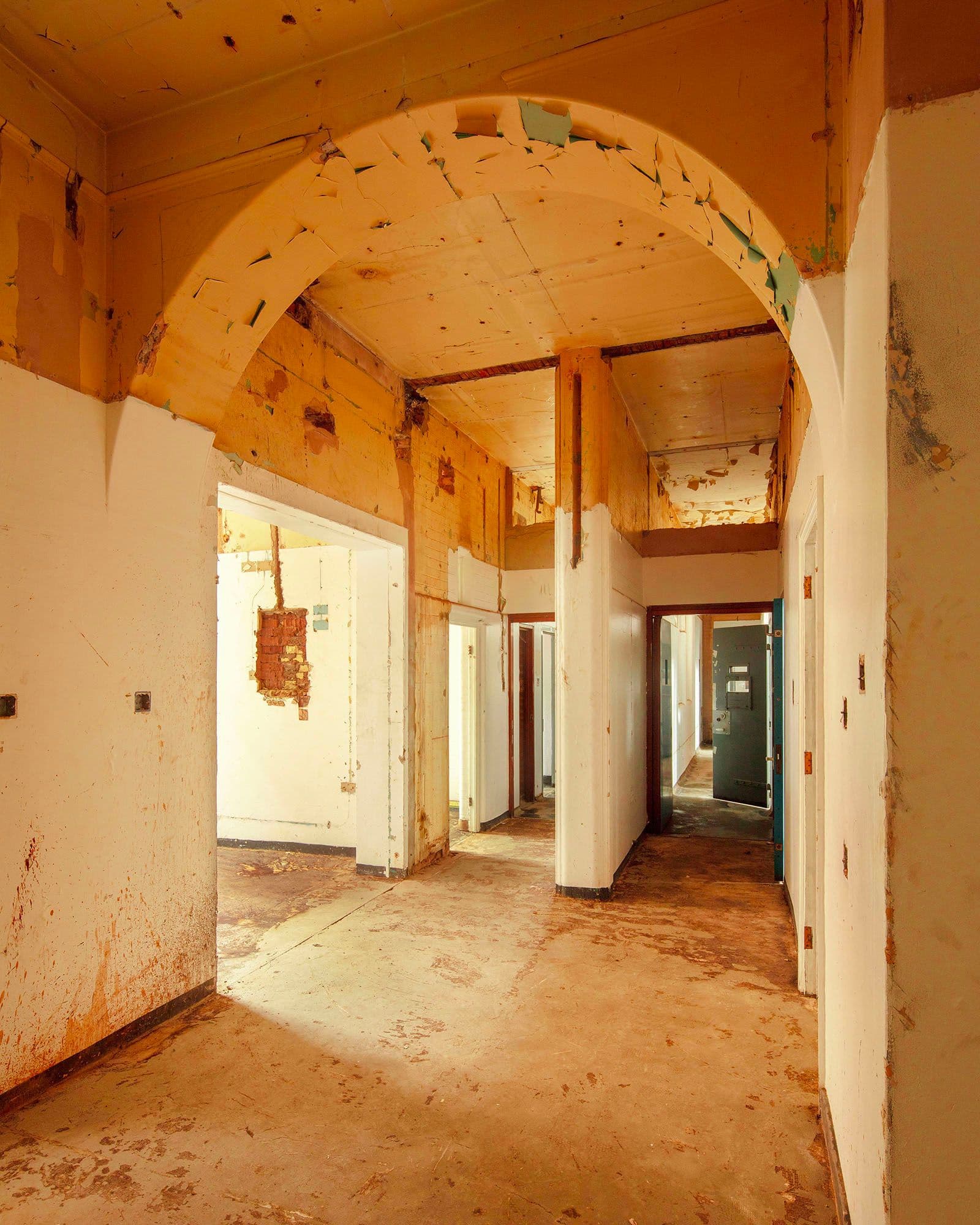
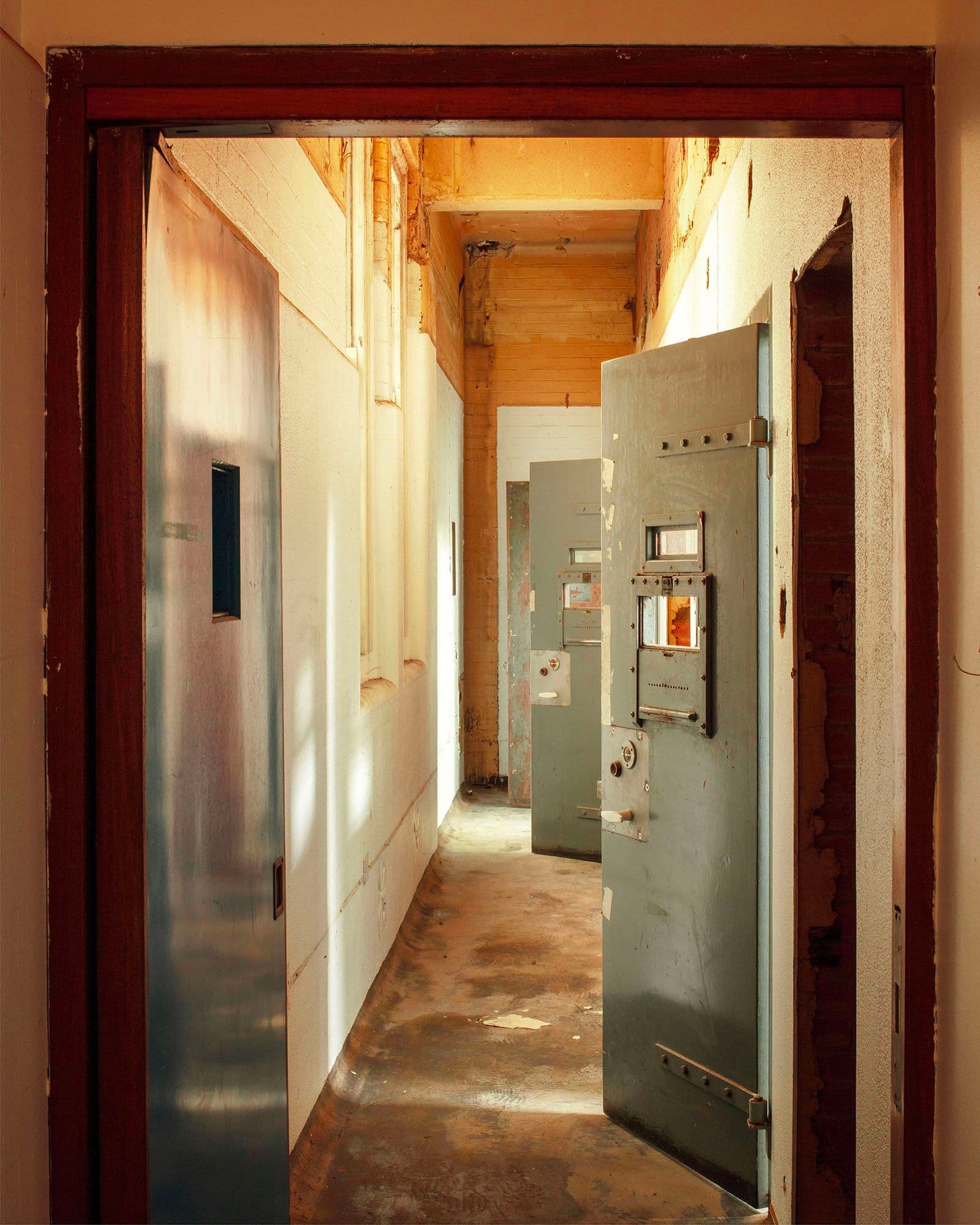
The consented proposals restore the local landmark while evolving it into a functional, efficient and accessible building. Inside, the magistrates’ courtroom will be repurposed as an architecture studio, police lodgings converted into private healthcare space and part of the old station transformed into offices, with cells reimagined as characterful focus booths and meeting rooms. The upper storeys, filled with daylight and generous ceiling heights, will be reconfigured to provide five family homes.
- Location
- Hampstead, London
- Size
- 35,000 sqft
- Client
- Redington Capital
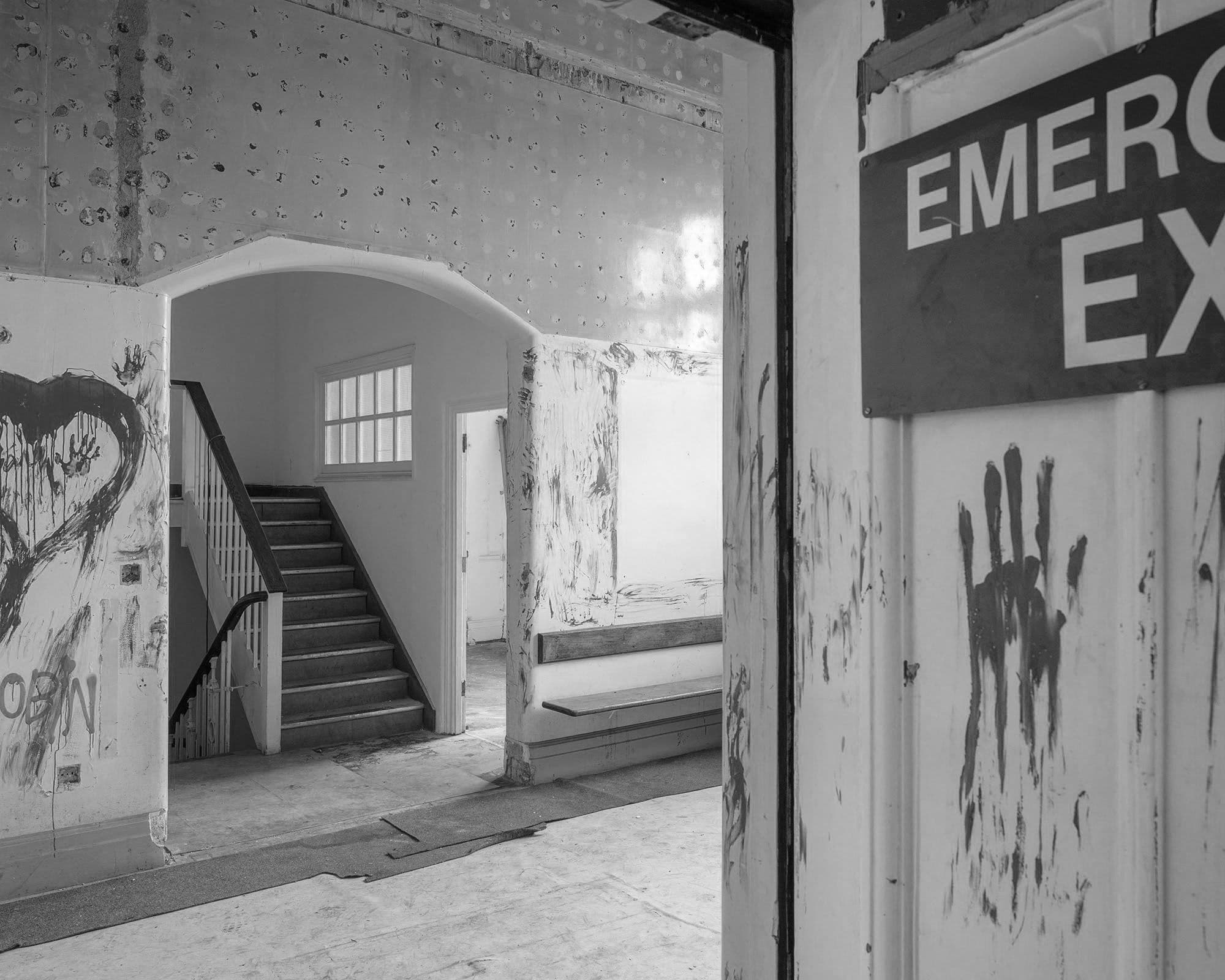
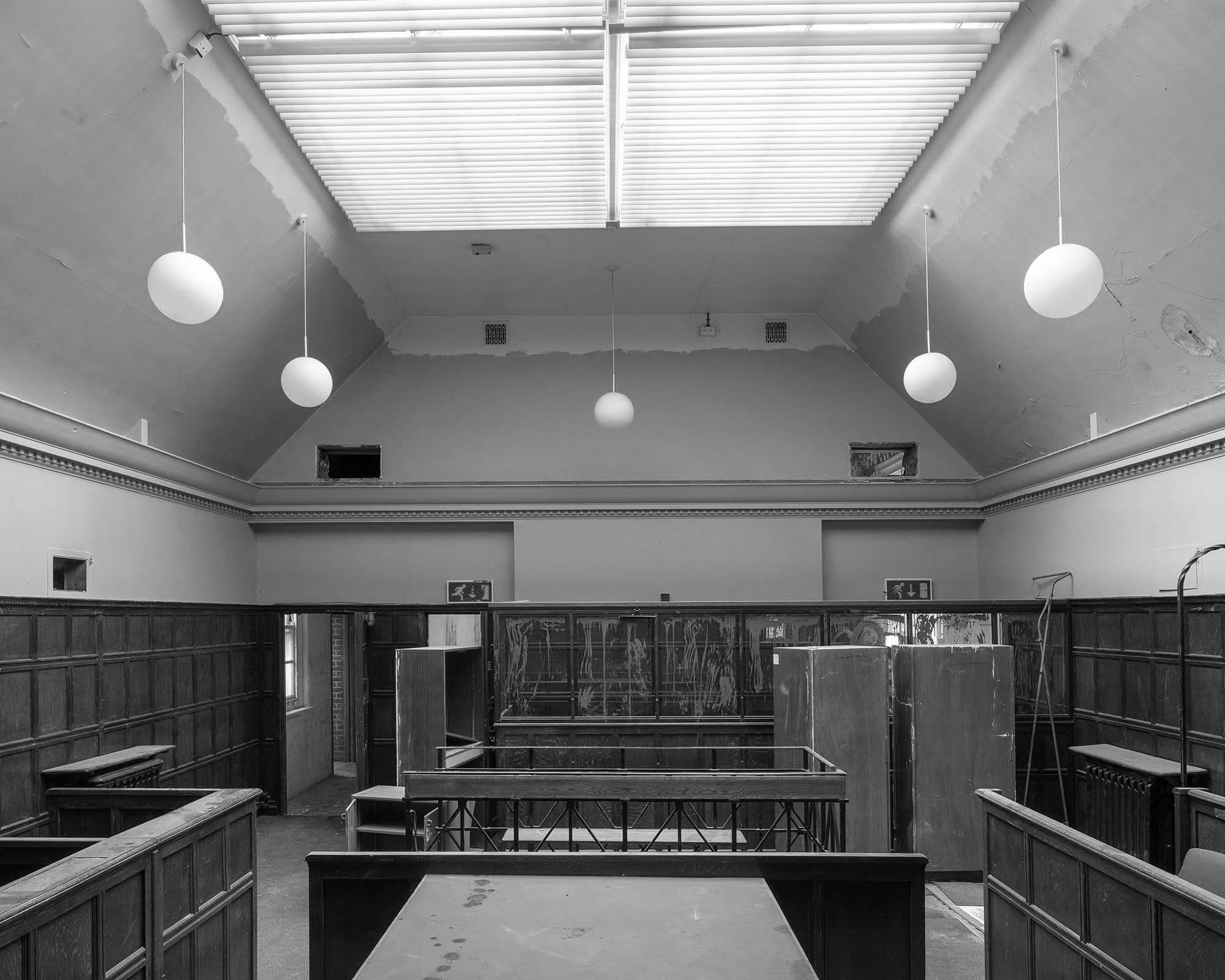
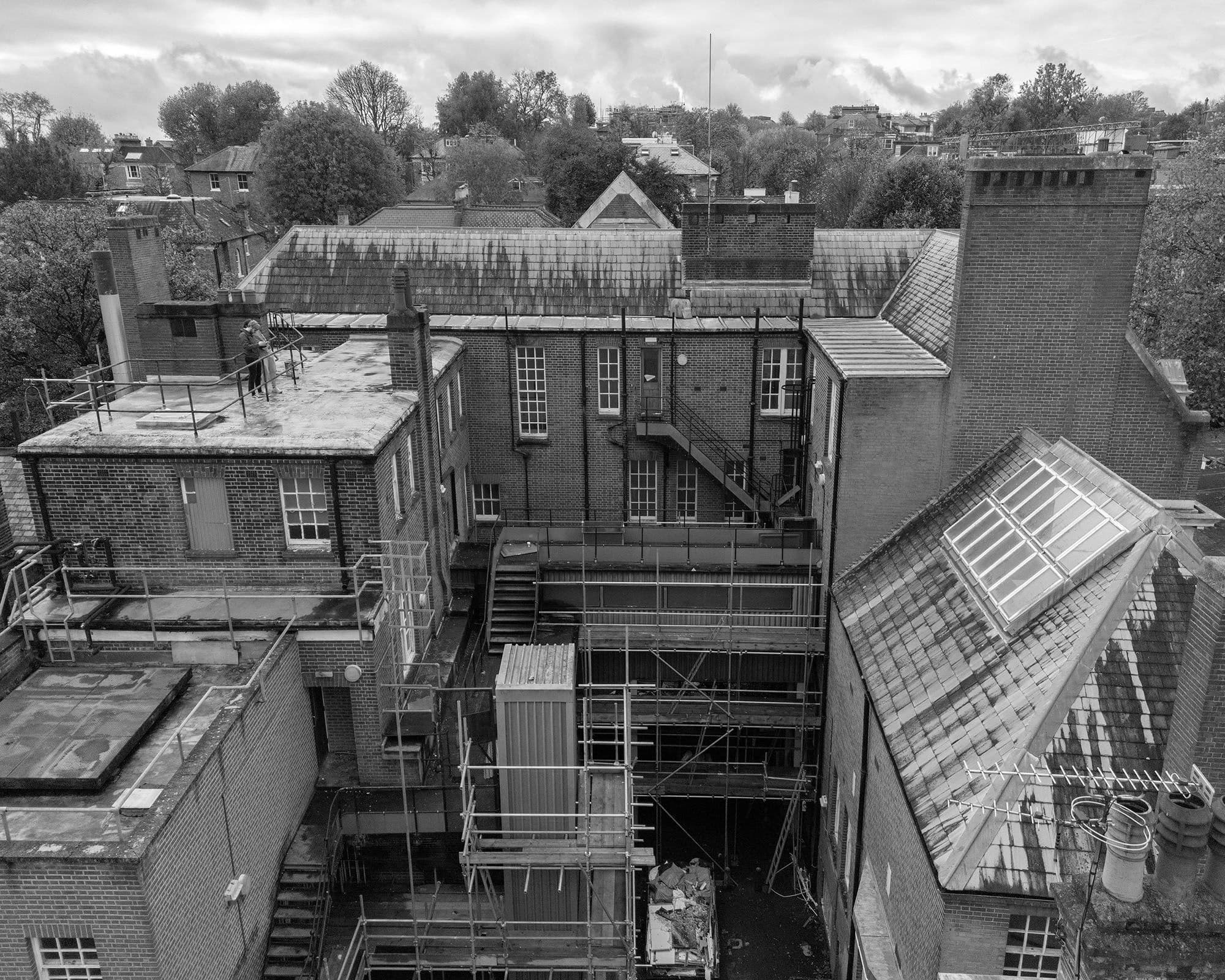
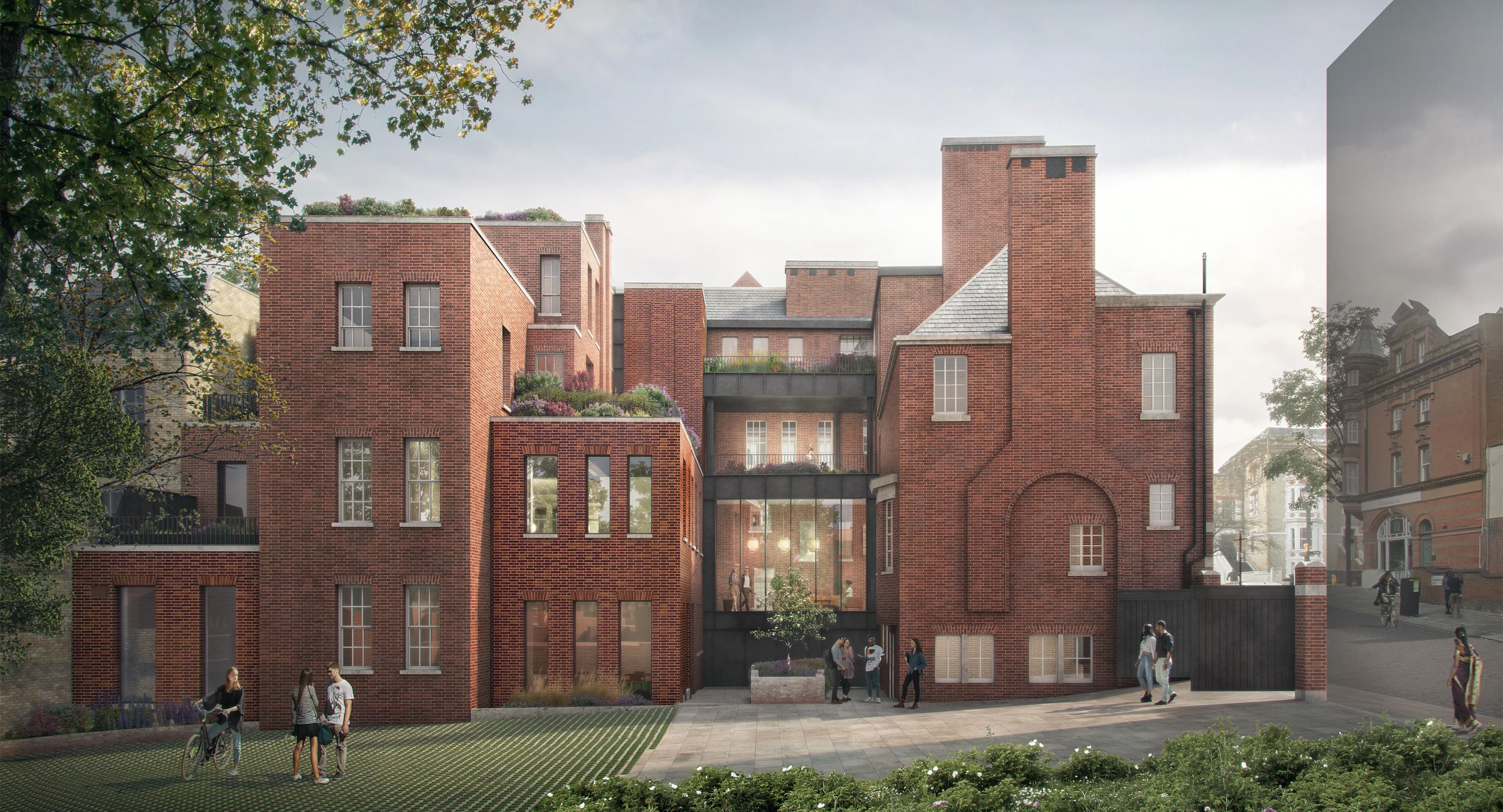
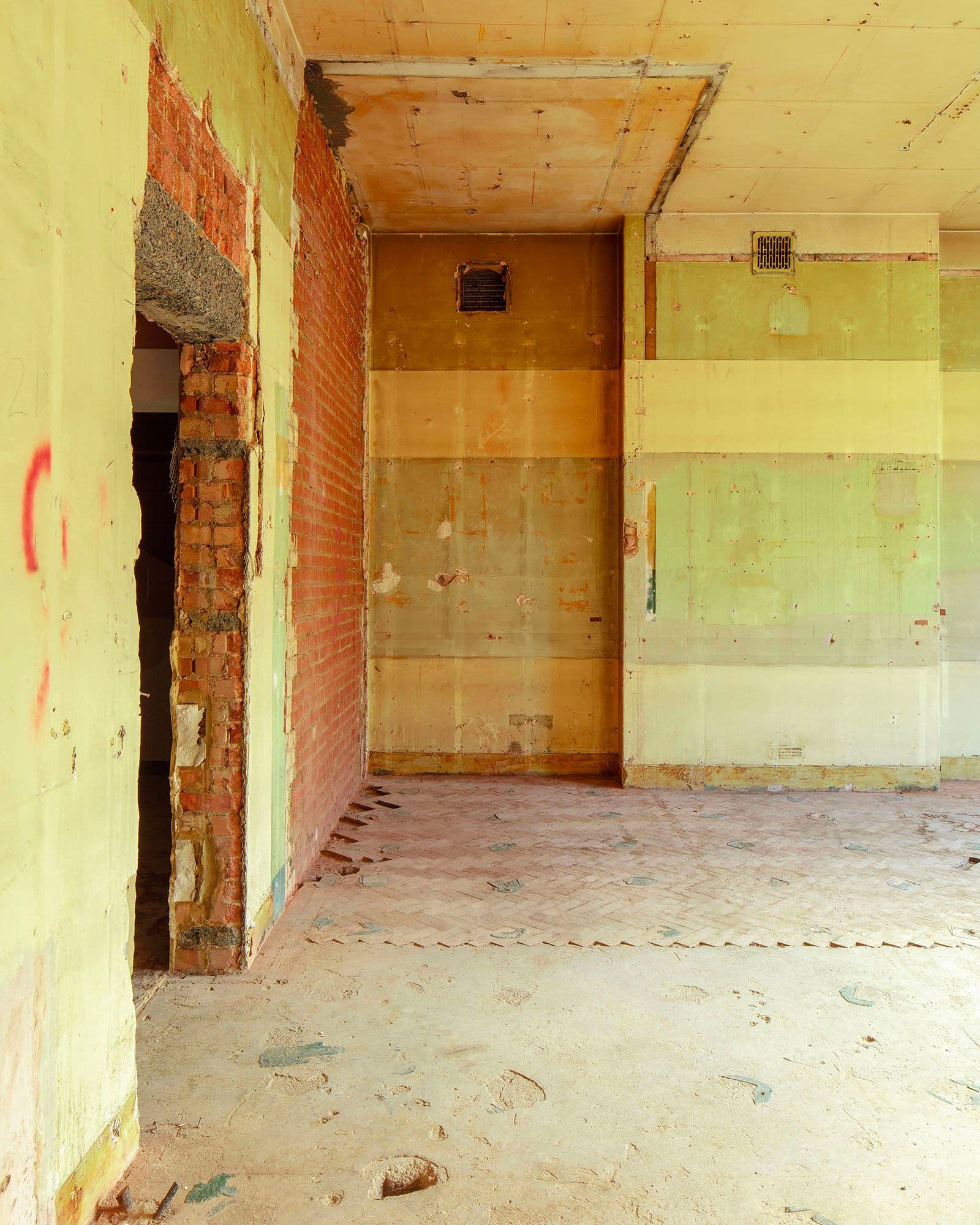
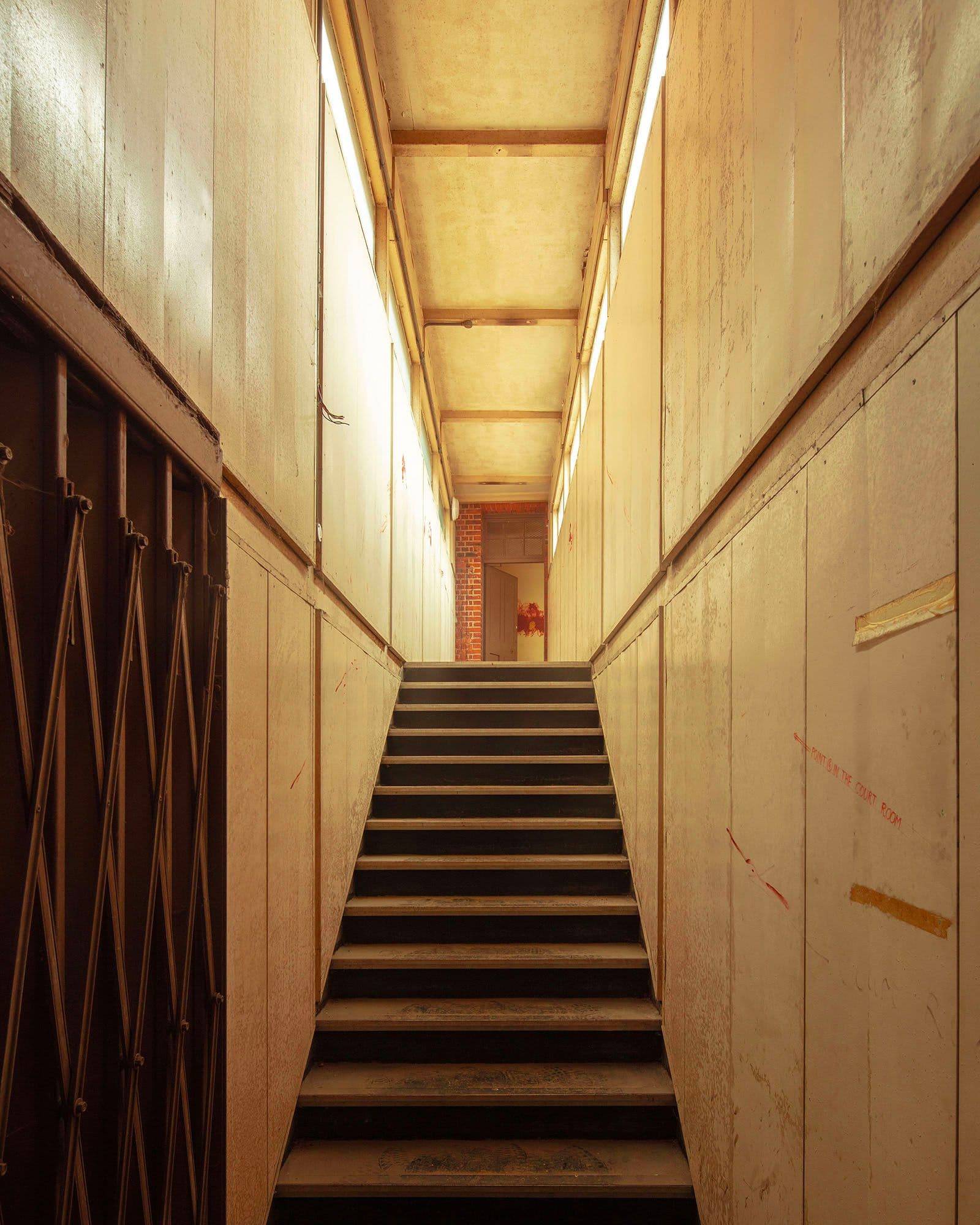
Hampstead Police Station first opened in 1913, housing both police lodgings and the UK’s first juvenile court. After closing in 2013, the building fell into decline. Under previous ownership, two unsuccessful attempts were made to convert it into a school – both rejected as incompatible with its heritage and location. In 2021, Hampstead-based development and investment company Redington Capital purchased the iconic building and appointed dMFK to sensitively reimagine it with a mix of uses.
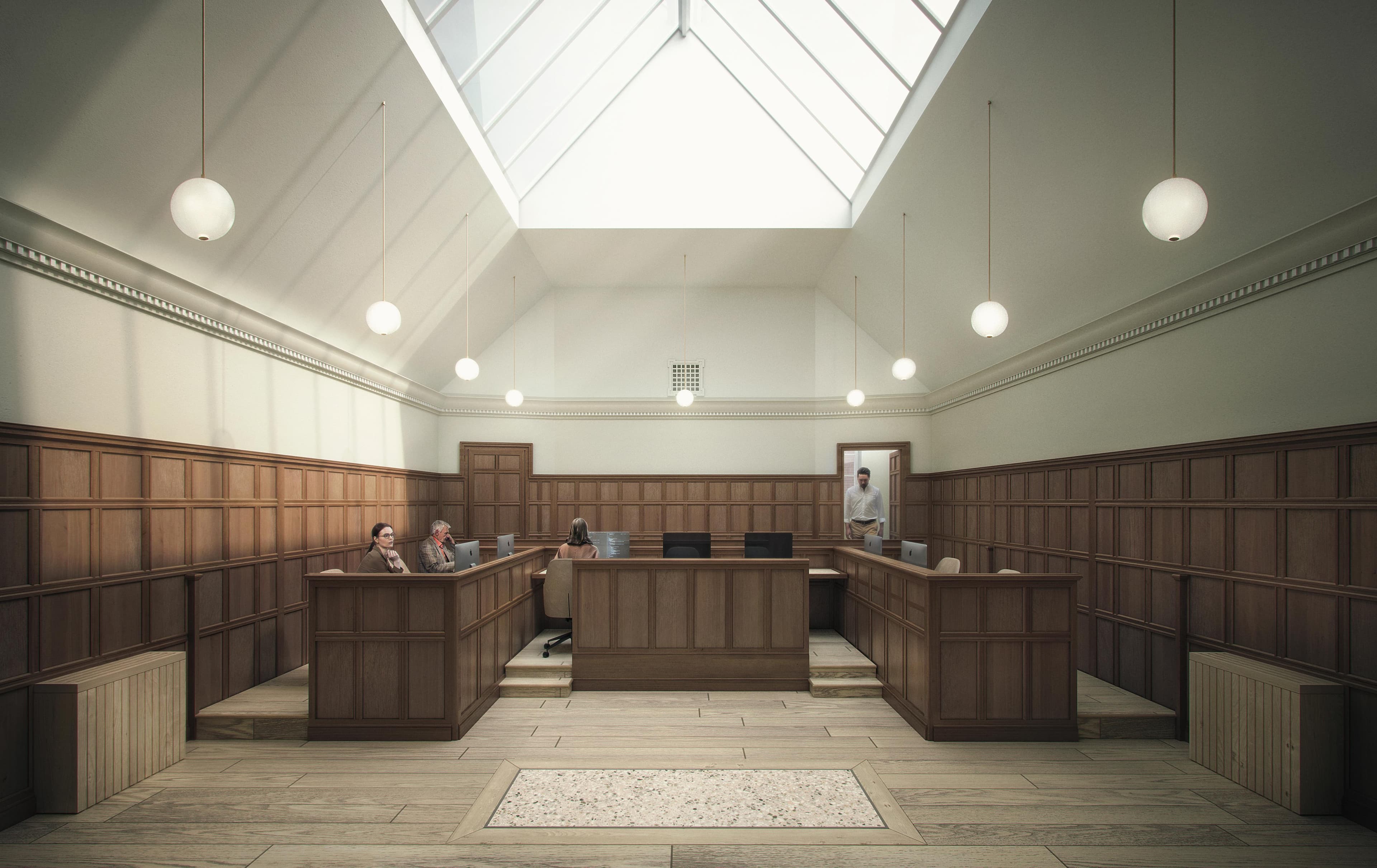
As a practice with roots in North London, we were honoured to be entrusted with the project. Our goal was to reverse its chequered planning history by working with the grain of the building, and with the local community, who generally want to see it brought back to life. This required carefully balancing the myriad contemporary requirements of a mixed-use building with its heritage, aiming to maintain historic character and significance.
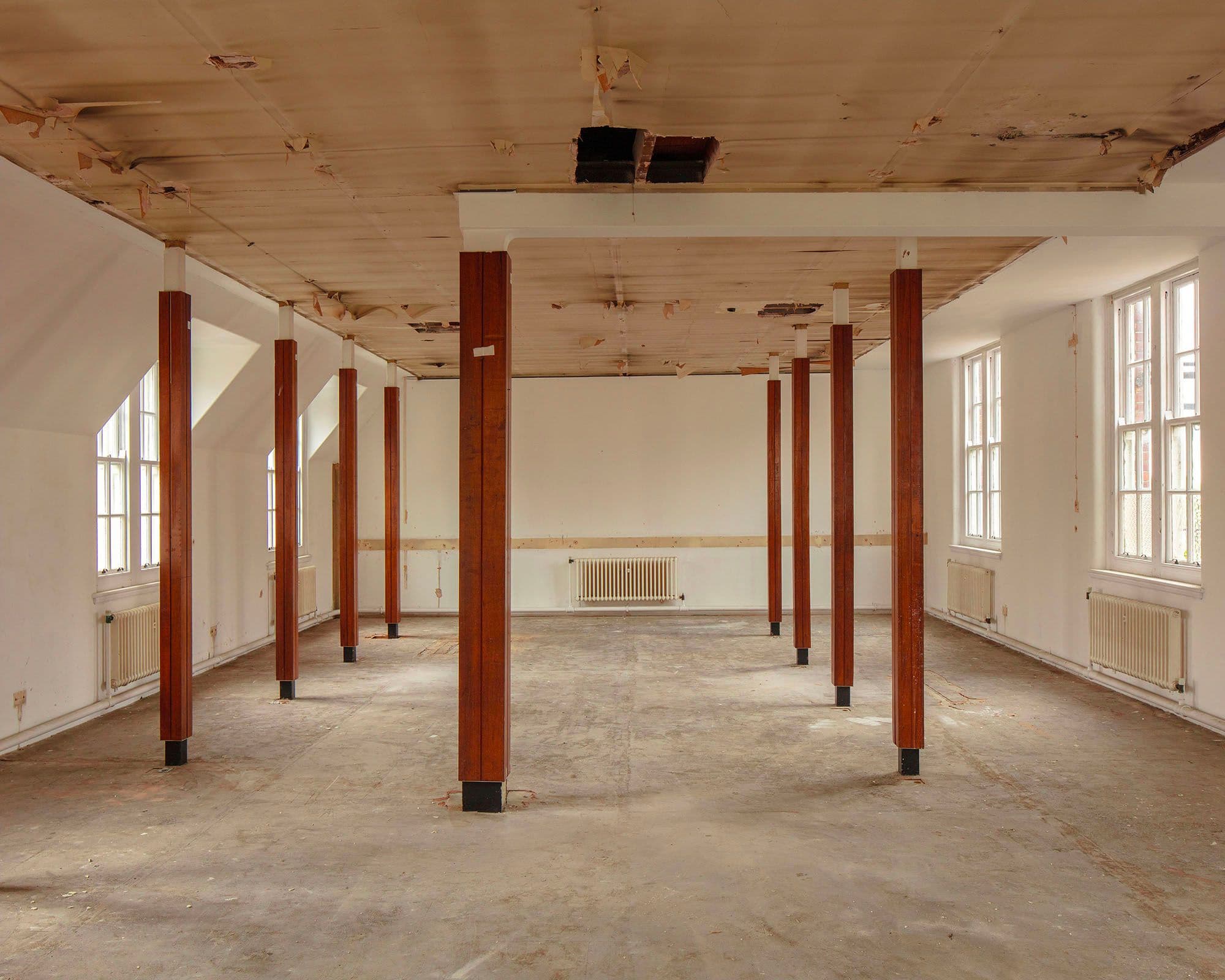
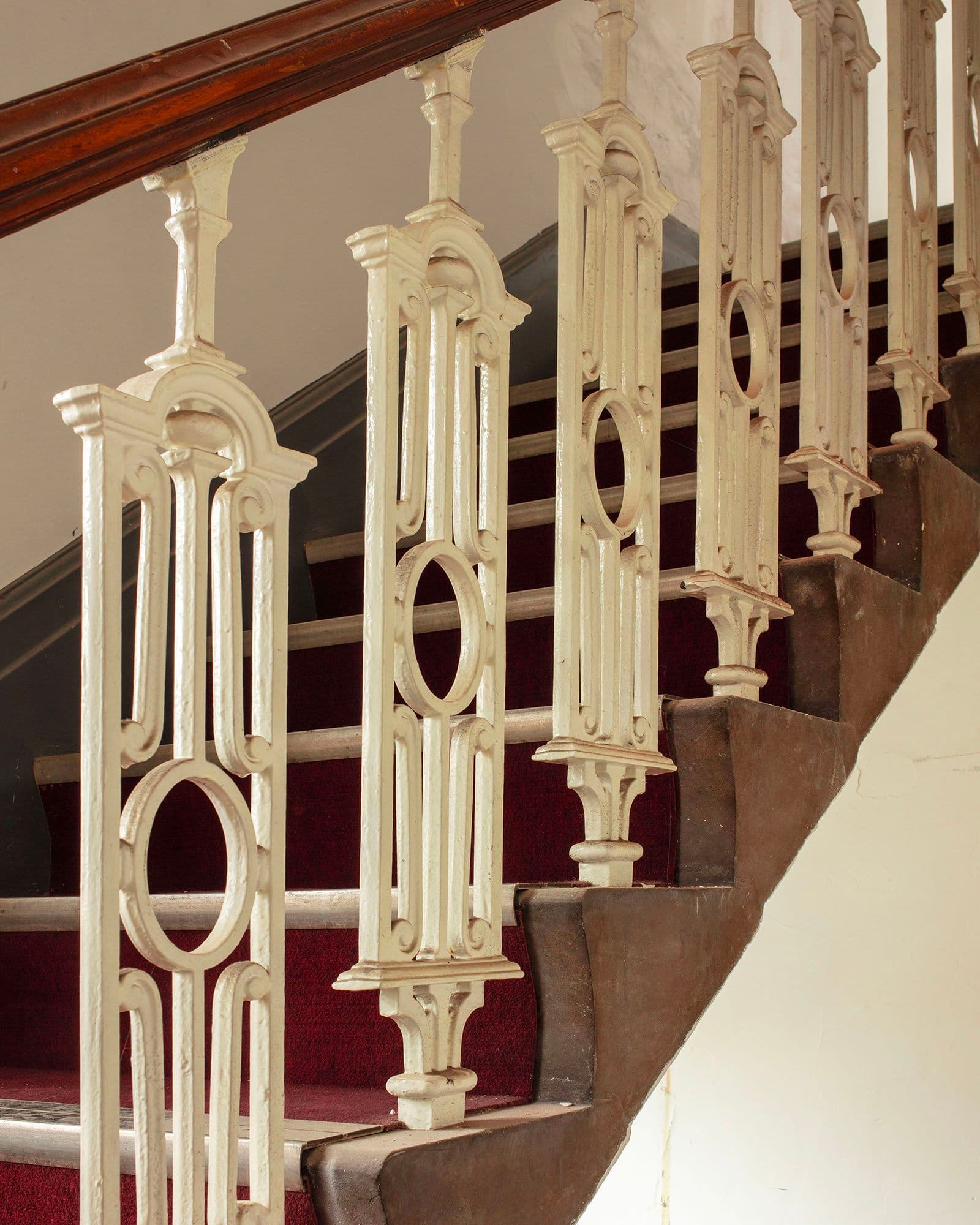
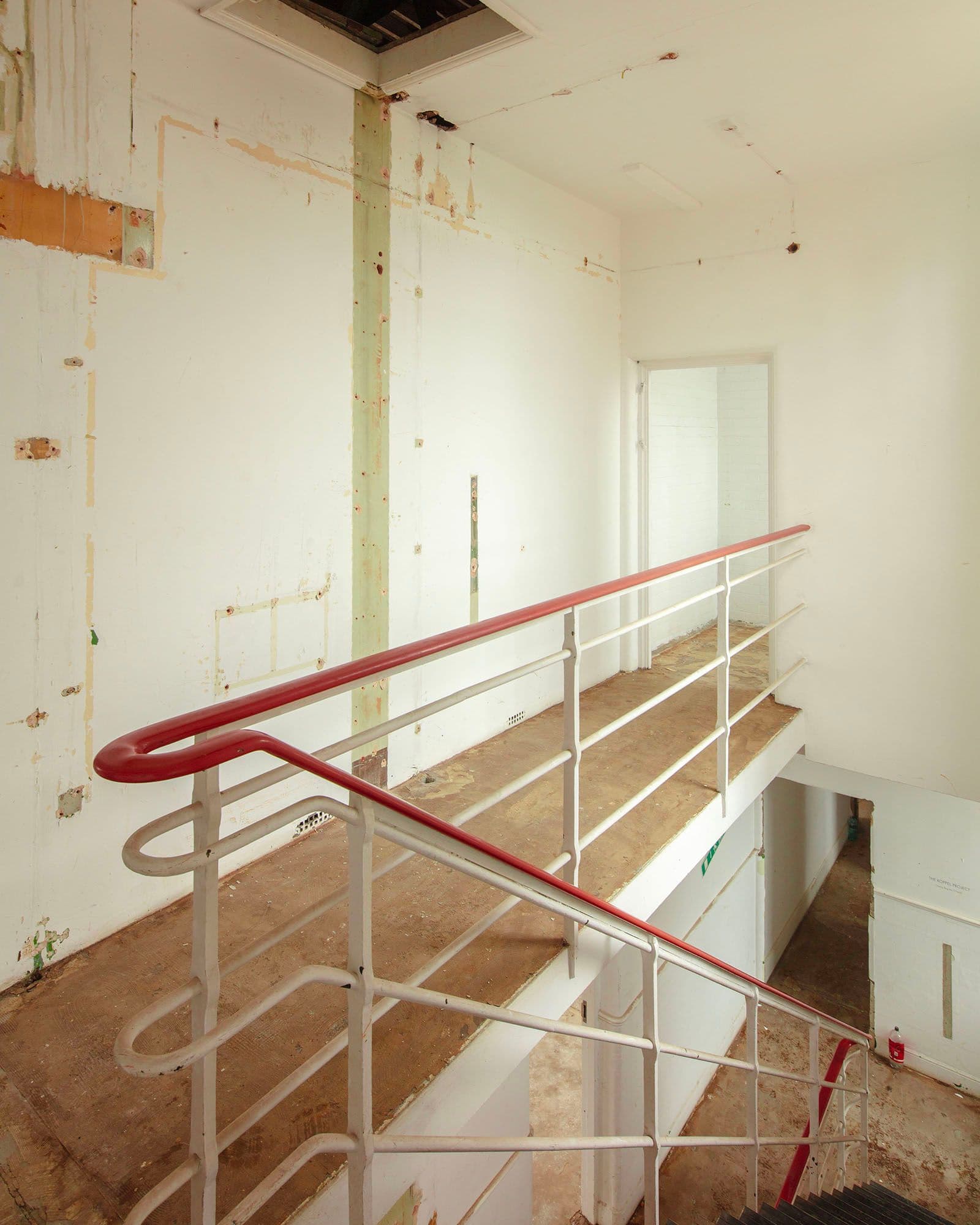
Before and After
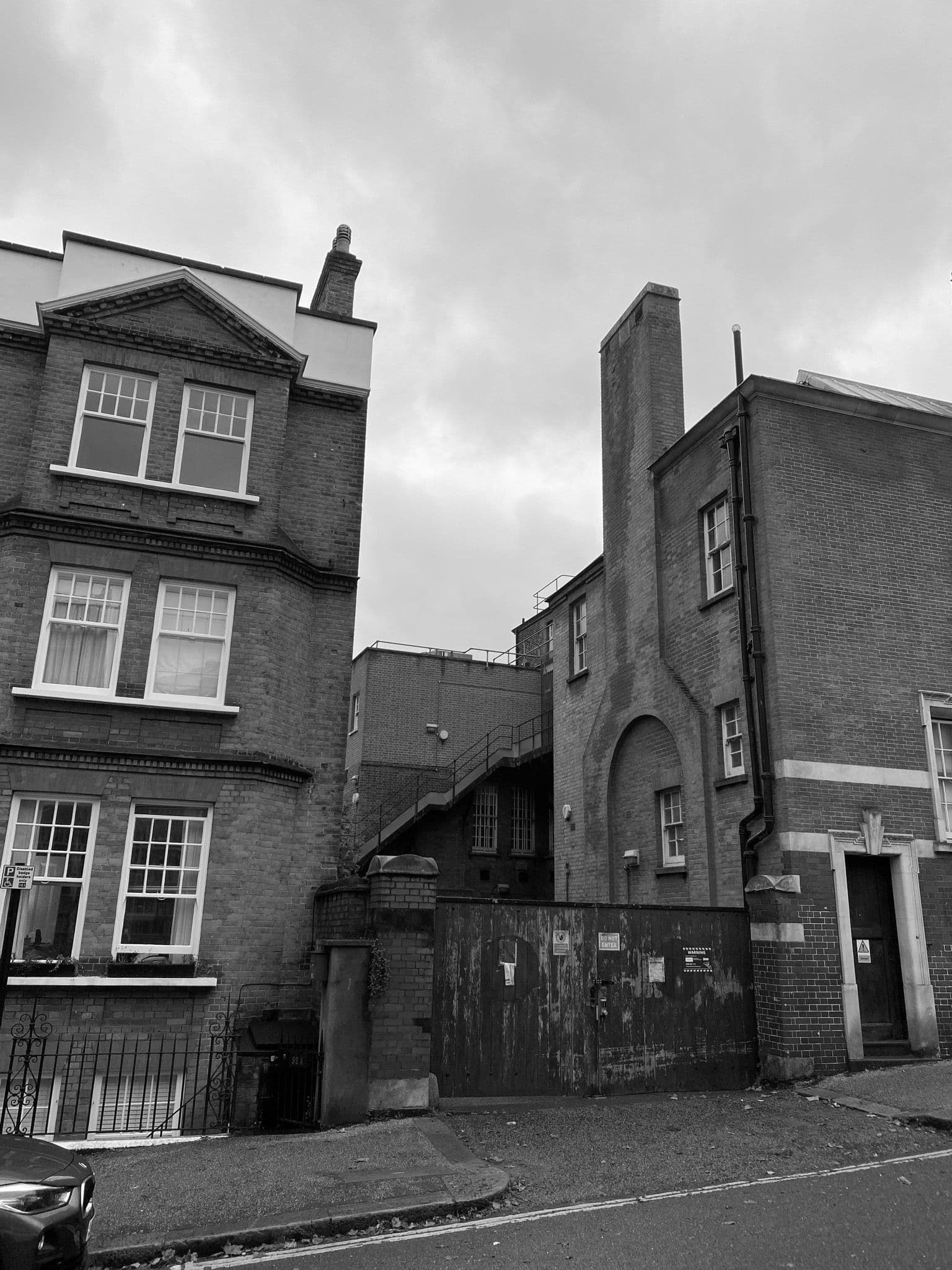
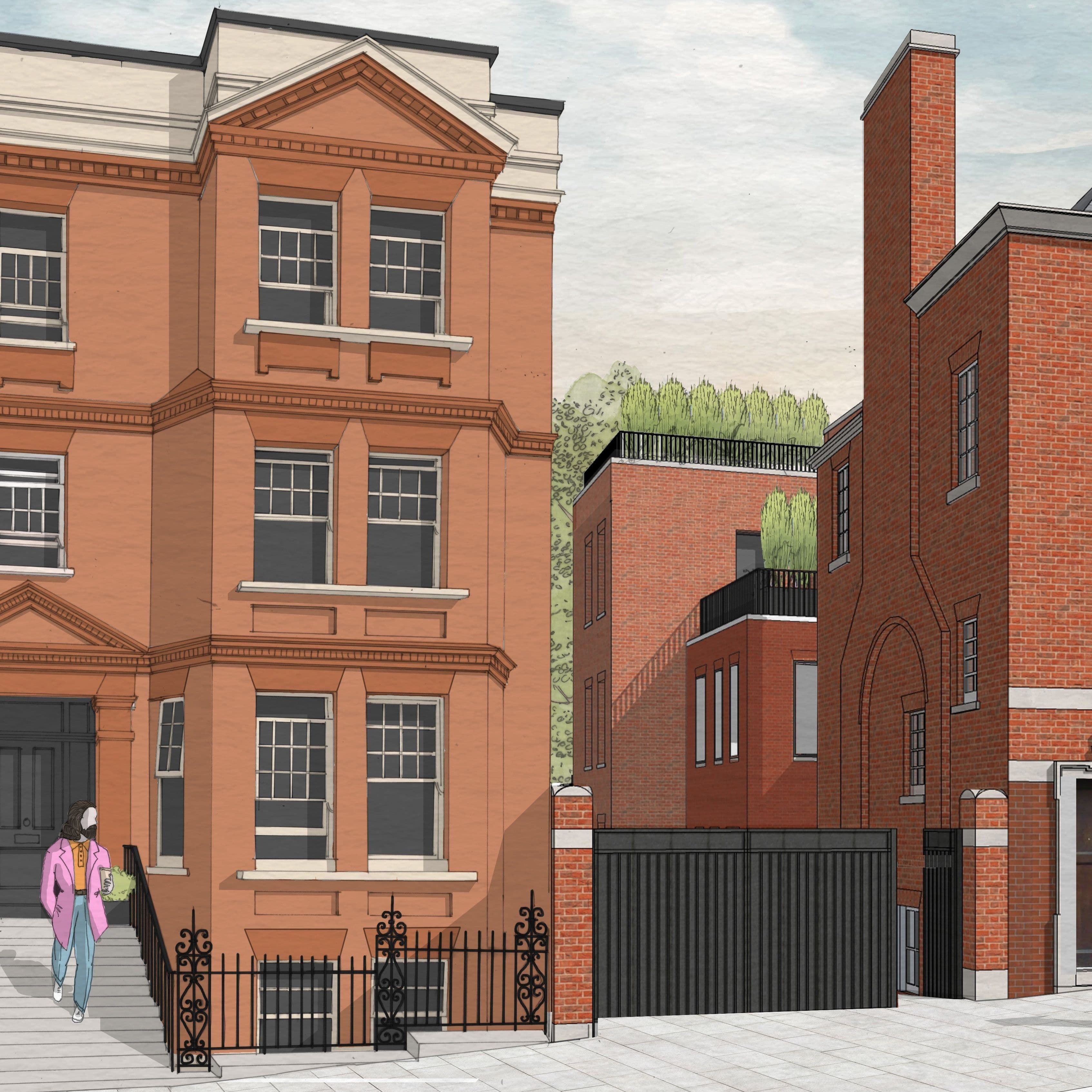
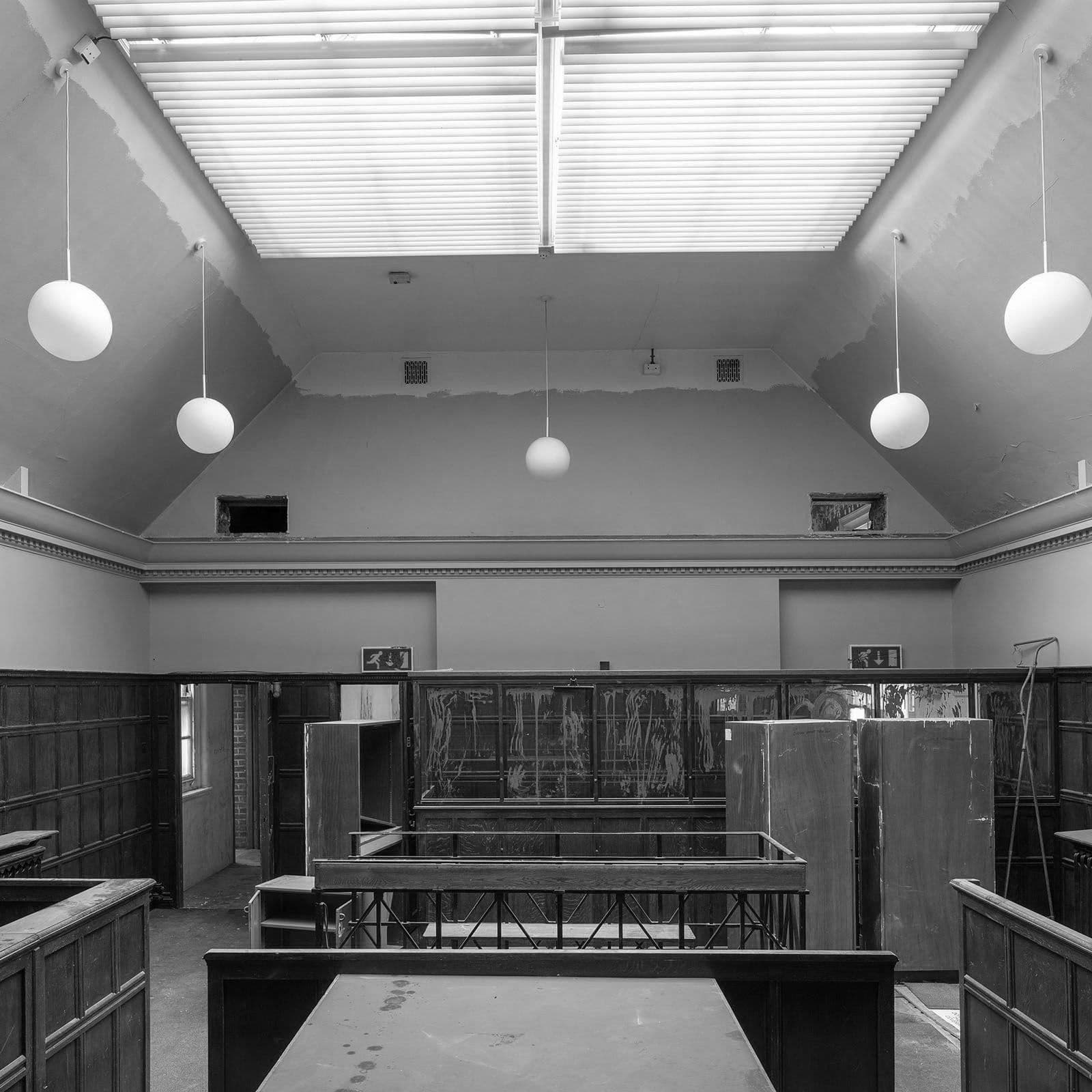
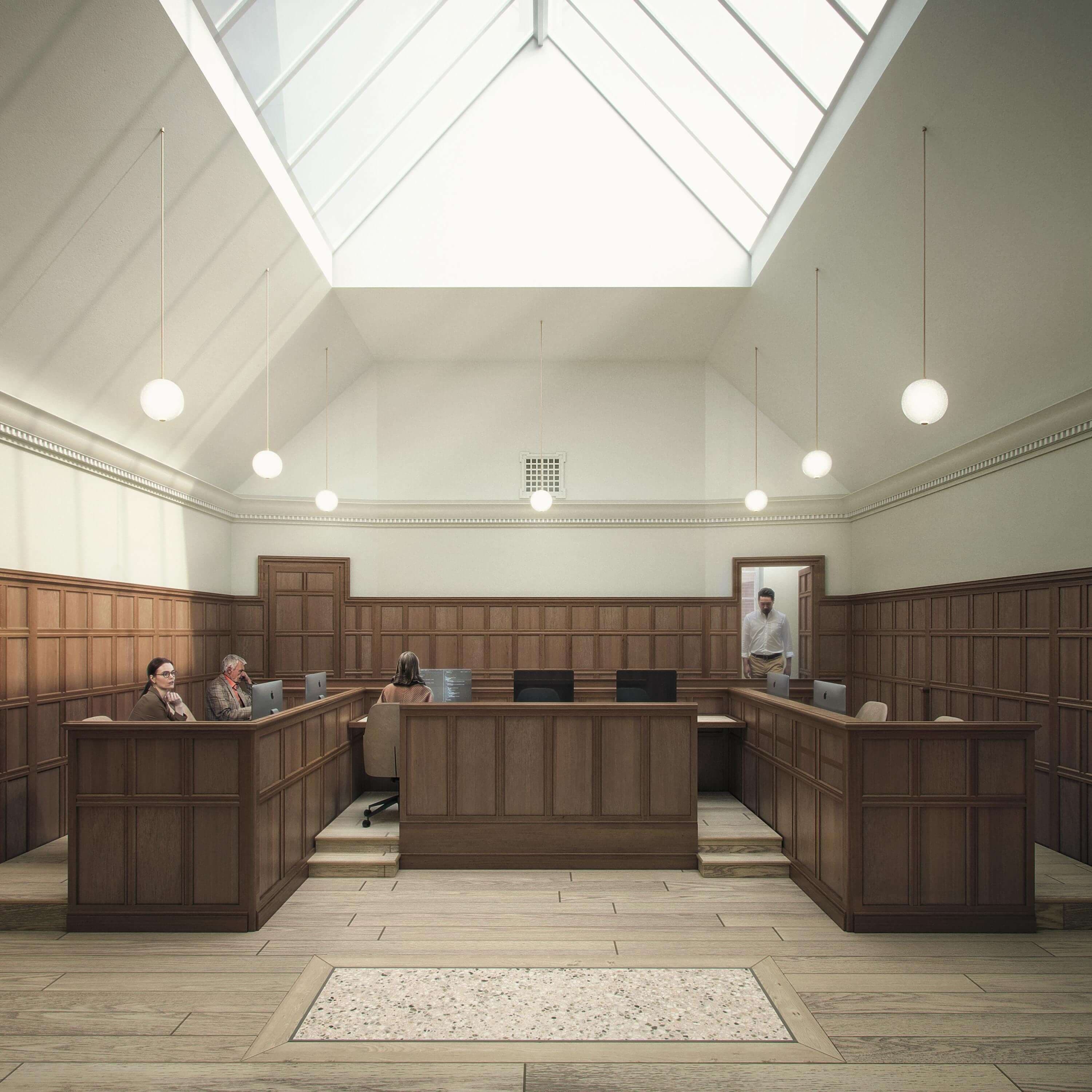
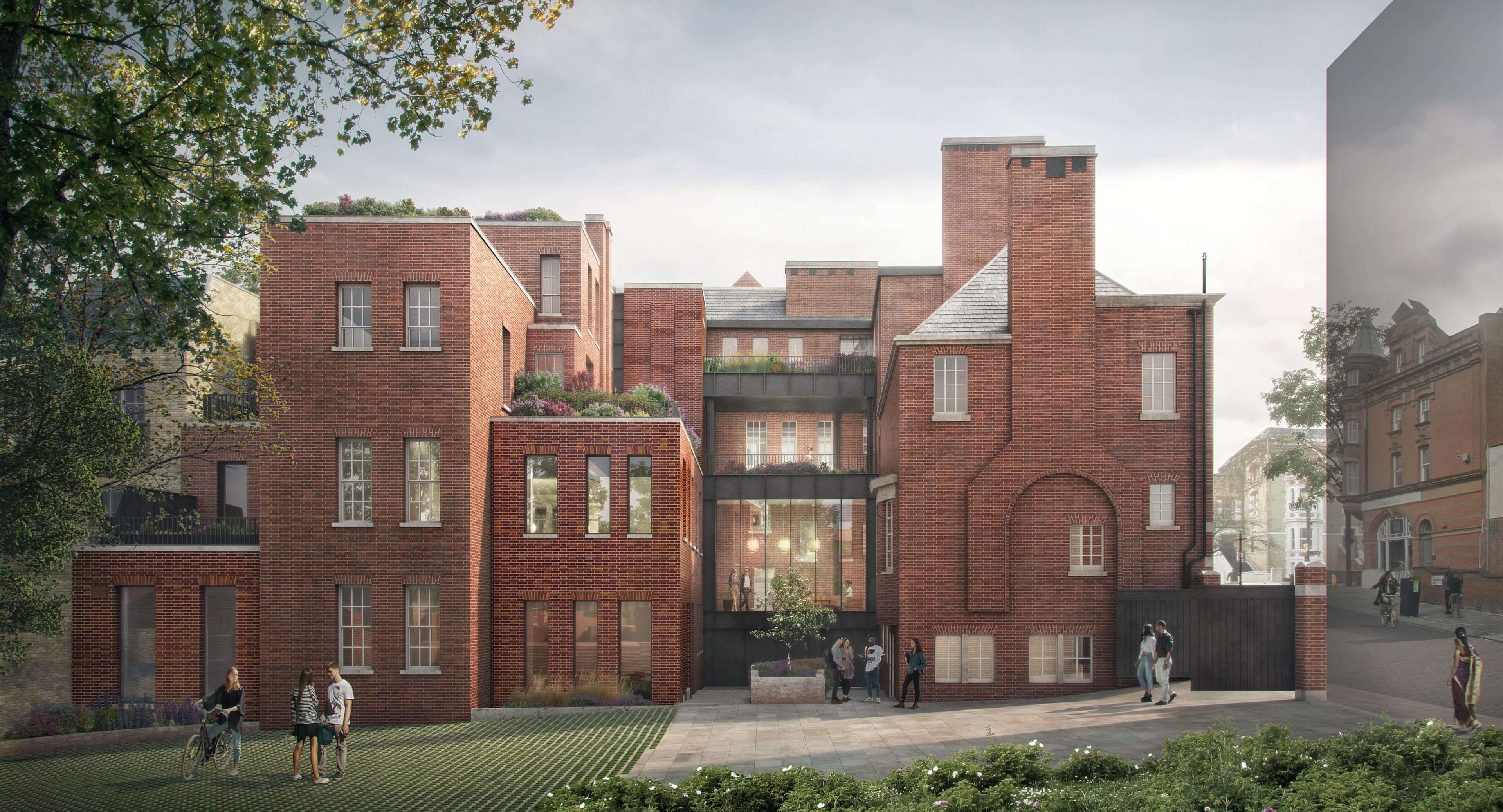
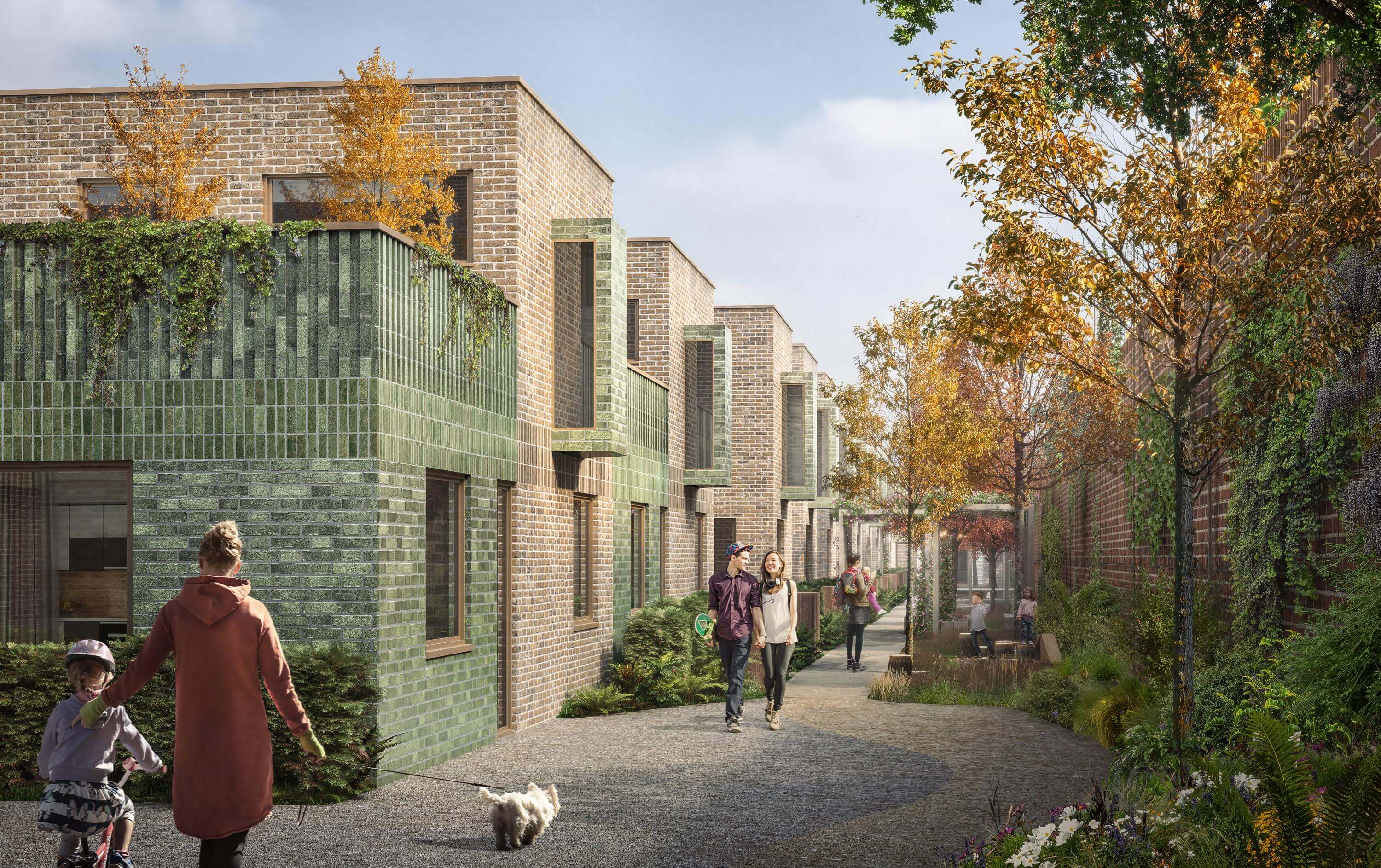
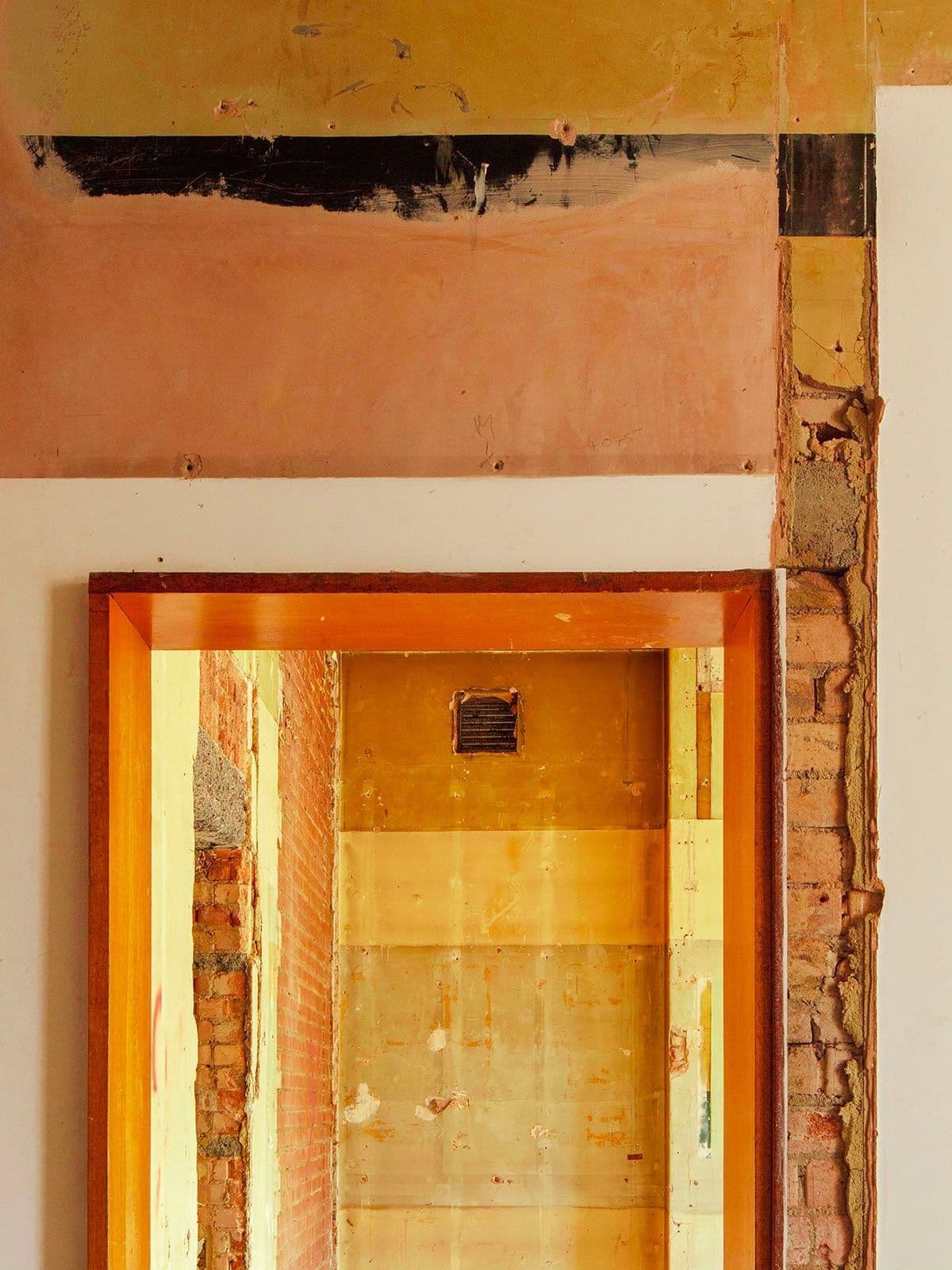
Rather than radically altering the building, we worked with its Arts & Crafts character and existing layout to guide interventions. Interior details are revealed and restored wherever possible: podium railings from the courtroom will clad a new lift, the principal stair is upgraded with care, and original features are retained alongside modern services. Two new brick extensions and a contemporary link structure in the rear courtyard connect different functions, referencing historic bridges and Victorian metalwork.
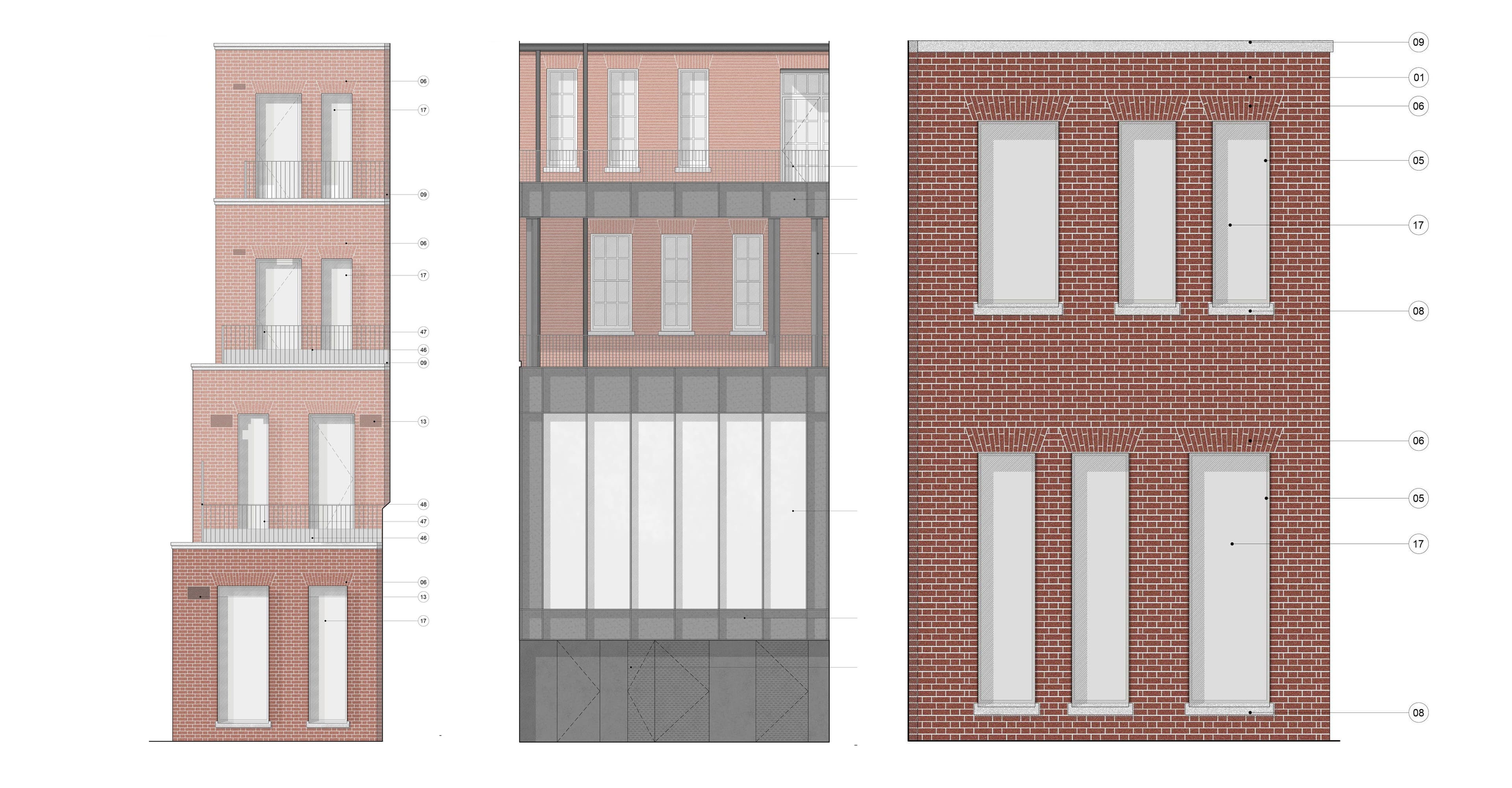
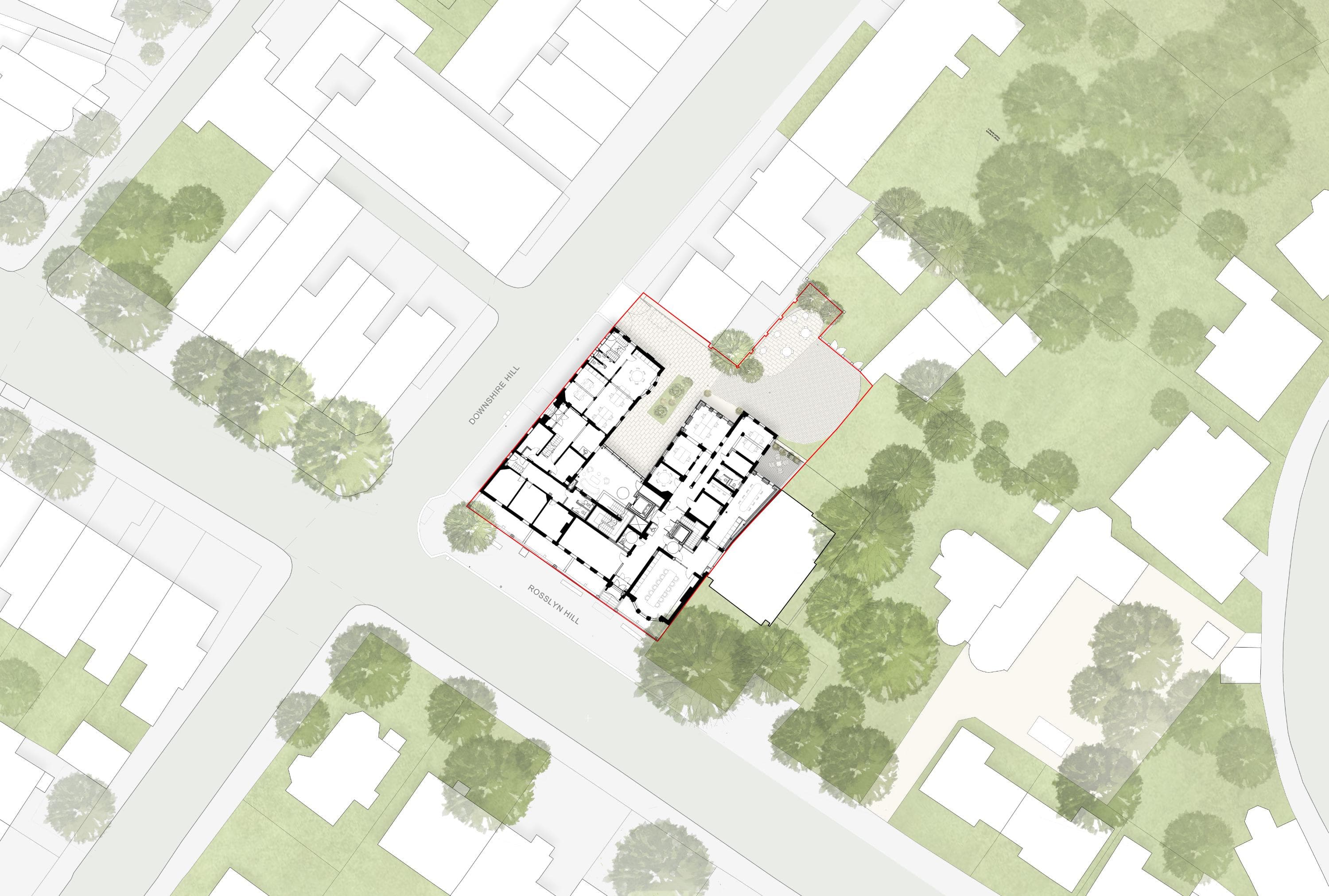
High-quality, durable materials complement the original brick and stone, ensuring new additions feel both robust and gentle. Sustainable design measures target BREEAM Excellent and an EPC rating of B, reducing the building’s environmental impact while securing its long-term future. The outcome is a thoughtful mixed-use scheme that preserves character and significance, while creating adaptable spaces to live, work and gather.
Related projects
View selected